Colombia Earthquake Update: MSF Response and Medical Needs
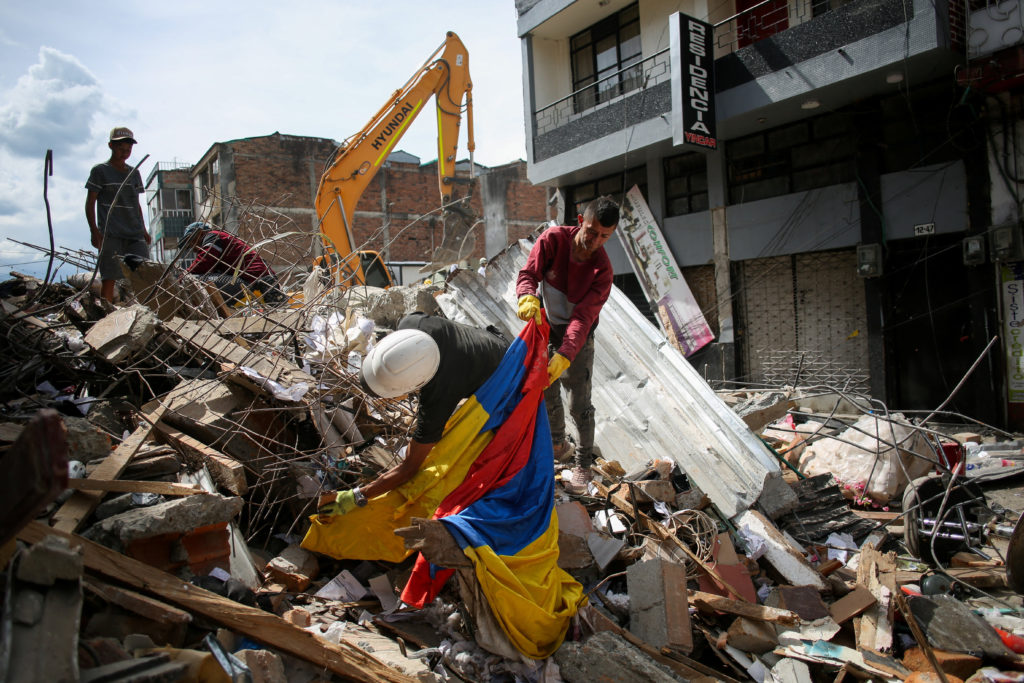
The Colombia earthquake update is not just about damaged buildings and shaken roads. It is about the slow, messy part that follows: injured people, cut-off communities, disrupted care, and the strain on local health systems that were already working hard. That is where Doctors Without Borders, known as MSF, comes in. Their response matters because the first days after a quake often decide who gets treated fast and who waits too long.
Look past the headlines and you see the real problem. People need wound care, medicines, trauma support, clean water, and safe access to clinics. And in rural or hard-to-reach areas, even a short delay can turn a manageable injury into something far worse. What happens when the nearest hospital is hours away and the road is broken? That is the question this response has to answer.
- MSF focuses on urgent medical support where local services are stretched.
- Earthquakes often create a second crisis through interrupted access to care.
- Mental health support matters early, not weeks later.
- Mobile teams can reach people when fixed clinics cannot.
- Recovery depends on water, transport, and supply lines as much as medicine.
What the Colombia earthquake update means on the ground
When MSF issues a Colombia earthquake update, the key signal is simple. Health needs are broader than the visible damage. People may have fractures, crush injuries, cuts, or respiratory problems from dust and debris, but they may also face dehydration, interrupted treatment for chronic disease, and fear that keeps them from sleeping or seeking care.
This is why emergency response after an earthquake has to move fast and stay flexible. A clinic may need extra staff one day and mobile outreach the next. Supplies matter, but so do triage decisions (who gets seen first, and where).
How MSF response works after an earthquake
MSF usually steps into gaps that local systems cannot cover alone. That can mean emergency consultations, wound dressing, referral support, and mental health care. It can also mean checking which communities are isolated and helping restore access to treatment.
After a quake, medical care is a logistics problem as much as a clinical one. If people cannot reach a nurse, a pharmacy, or a referral hospital, the response fails even if the medicine exists.
Common priorities in the first phase
- Assess injuries and triage the most serious cases.
- Restore access to primary care and essential medicines.
- Support referral pathways for surgery or advanced treatment.
- Provide psychological first aid and basic mental health support.
- Monitor water and sanitation risks to prevent outbreaks.
That mix may sound basic. It is not. In a quake zone, basic care is the whole game.
Why medical needs change after a quake
Immediate trauma gets attention first, but the longer tail of an earthquake can be more punishing. People with diabetes, hypertension, asthma, or epilepsy may lose access to routine medicines. Pregnant people may have trouble reaching antenatal care. Children can miss vaccinations or treatment for infections. And if shelters are crowded, respiratory illness spreads quickly.
This is where public health and emergency medicine overlap. The response is a bit like repairing a house after a storm. You do not start with paint. You secure the roof, check the wiring, and make sure the floor will hold. Health teams have to do the same thing.
What communities need beyond the first week
The first week is about speed. The weeks that follow are about staying power. Communities need clean water, safe sanitation, regular transport, and clinics that can keep operating. They also need consistent communication, because uncertainty makes every problem feel larger.
And there is another layer people often miss. Displacement changes everything. If families move to temporary shelters, they may lose local support networks, school access, income, and medication routines all at once. That is why response plans should not treat shelter as separate from health. They are tied together.
Practical needs that often get overlooked
- Continuity of treatment for chronic illness.
- Access to prenatal and pediatric care.
- Safe spaces for people with trauma symptoms.
- Reliable transport to higher-level hospitals.
- Water and sanitation systems that keep disease from spreading.
Here’s the thing. Relief efforts that focus only on dramatic rescues usually miss the larger burden. The quiet cases add up fast.
Why the MSF response matters for the larger aid picture
MSF does not replace public health authorities. It fills urgent gaps and brings field experience into places where the system is under stress. That makes its work useful far beyond a single disaster. Health responders can see where supply chains break, which clinics are overwhelmed, and which groups are being left out.
That information matters. It helps shape the next wave of aid, from medical kits to outreach teams to longer-term recovery planning. If that sounds unglamorous, good. Disaster response should be judged by whether people get treated, not by whether the press release sounds heroic.
What to watch next in the Colombia earthquake update
The next updates should answer a few hard questions. Are isolated communities reaching care? Are health posts stocked? Are mental health needs being addressed? And are local services getting enough support to keep going after the cameras leave?
Those are the real markers of progress. Not the number of headlines. Not the volume of aid language. Just the practical work of getting care to people who need it.
And if you want to judge any earthquake response honestly, ask this: can a family get medical help tomorrow, next week, and next month, or only on the day the crisis is trending?
What comes after the emergency
The best earthquake response does not stop at the first shipment or the first clinic visit. It leaves behind stronger access, better coordination, and a clearer map of who still needs help. That is the standard worth using for the Colombia earthquake update, and for every disaster update that follows.
MSF can help push that work forward. But the real test is whether the recovery lasts longer than the news cycle.