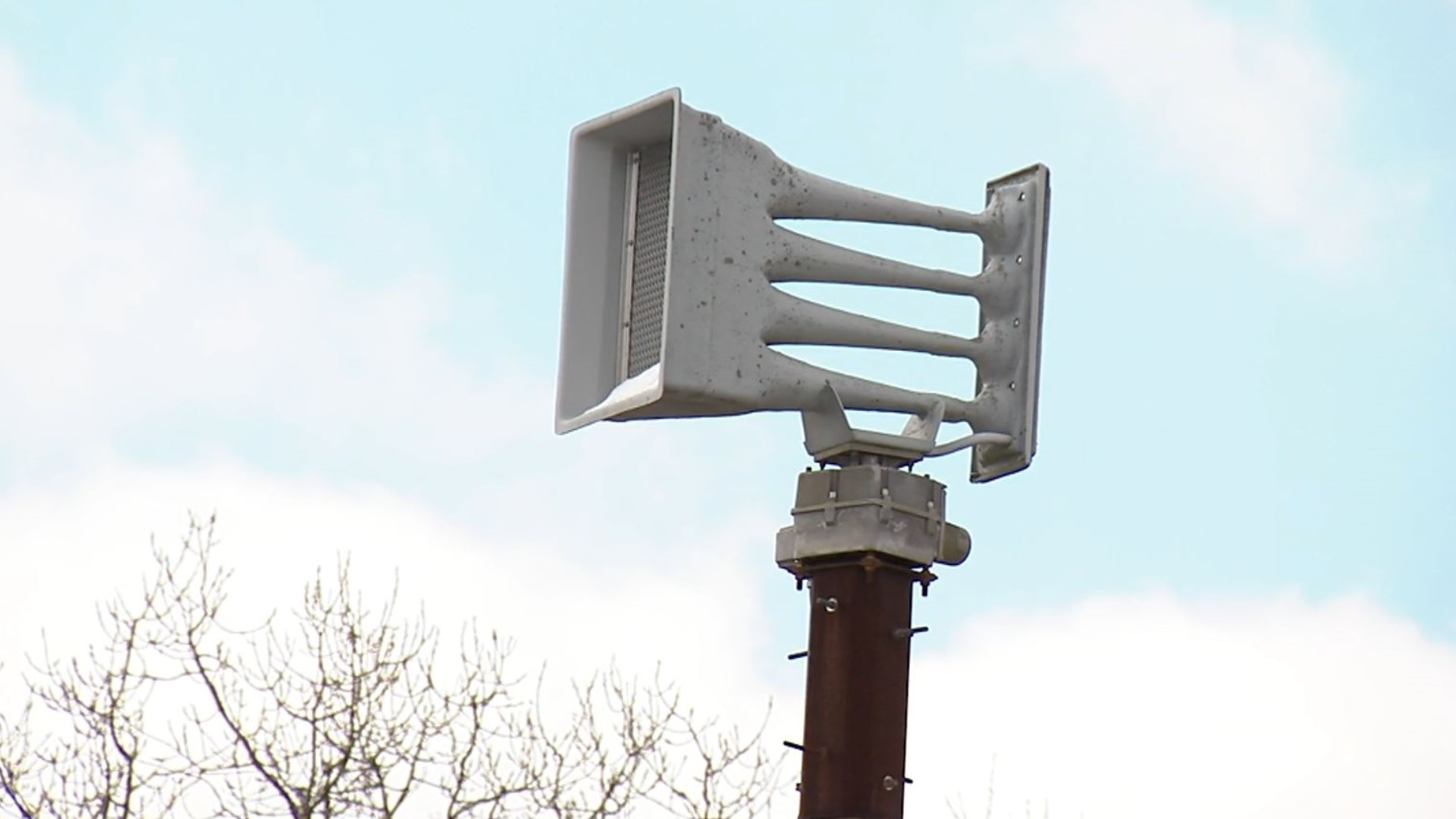
Columbus Tornado Sirens: Why They Didn’t Sound Tuesday
If you were looking for the Columbus tornado sirens on Tuesday and heard nothing, you were not alone. That silence can feel wrong, especially when weather alerts are flashing on your phone and radar looks ugly. The key point is simple. tornado sirens are not meant to warn people indoors or replace official alerts, and they do not sound for every severe weather threat.
That matters now because a lot of people still treat sirens like the main warning system. They are not. Outdoor sirens are a last-mile alert for people outside, not a catch-all signal for every neighborhood. So why did they stay off on Tuesday? The answer usually comes down to the local warning criteria, the path of the storm, and whether officials believed the threat justified an outdoor activation. If you want to stay safe, you need to know how the system works before the next storm hits.
What Columbus tornado sirens are for
Sirens are built to alert people who are outdoors. That is their job. They are not designed to wake you up inside a house, inside a car with the windows up, or inside a noisy building.
Think of them like a stadium horn, not a home alarm. The horn is useful if you are in the open. It is not the thing you should depend on to protect you from every risk.
Outdoor warning sirens are only one layer of protection. The National Weather Service, local emergency managers, NOAA Weather Radio, and phone alerts matter more for indoor safety.
Why the Columbus tornado sirens may not have sounded
Local agencies do not flip sirens on for every thunderstorm warning. They usually reserve them for tornado warnings, confirmed rotation, or a direct threat to people outdoors in the siren area. If the warning was limited, brief, or did not meet local activation rules, the sirens may stay quiet.
That can frustrate people. But it is part of the design. Sirens are a blunt tool, and officials try to avoid sounding them so often that people stop paying attention. Too many false or low-value activations train the public to tune them out. That is a real problem.
There is also timing. A tornado warning can be issued for a narrow path or a specific county slice. If the threat shifted away from Columbus, or if the warning did not cover the right zone, sirens might not have been triggered.
Common reasons sirens stay off
- The warning was not a tornado warning.
- The storm threat was judged to be outside the siren coverage area.
- Officials had no confirmation that people outdoors faced immediate danger.
- The warning was too limited in scope for siren activation rules.
How tornado warnings work in Columbus
The National Weather Service issues tornado warnings based on radar, spotter reports, and meteorological evidence. Local emergency managers then decide whether to activate outdoor sirens. Those decisions can vary by county and by city policy.
That split matters. A warning from the National Weather Service does not automatically mean sirens will sound. The warning can go out first, and the siren decision can follow, depending on local procedures and the exact threat.
And this is where people get tripped up. They expect one clean chain of events. Weather response is messier than that. The process is more like airport traffic control than a light switch. Multiple people and multiple systems have to line up.
What you should do instead of waiting for sirens
If you are indoors, do not wait for outdoor sirens to decide what to do. Use phone alerts, weather radio, TV, and local emergency messages. If a tornado warning is issued for your area, act fast.
- Move to the lowest floor you can reach.
- Get to a small interior room, hallway, or basement.
- Avoid windows and large open spaces.
- Put as many walls as possible between you and the outside.
- Wear shoes and keep a flashlight close if you can.
Honestly, if your plan starts and ends with a siren, your plan is weak. Phones can fail. Power can go out. Sirens can be hard to hear indoors. You need more than one warning source.
Why this debate keeps coming back
Every time sirens do not sound, people ask the same question. Why not? Fair question. But the better question is whether your own warning habits are strong enough.
Emergency managers face a tough balance. Sound sirens too often and people tune them out. Sound them too rarely and people assume the system failed. That tension is built into outdoor warning programs across the country, not just in Columbus.
The real fix is layered alerting. Sirens help outside. Alerts help inside. Local media helps fill gaps. You should treat them as parts of one system, not one magic signal.
What to check before the next storm
If you live in Central Ohio, take five minutes and set up your alerts now. Do not wait for the next severe weather night to scramble through phone settings.
- Turn on emergency alerts on your phone.
- Download a trusted weather app with radar and warning notifications.
- Know whether your county uses outdoor sirens and what they mean.
- Pick a shelter spot in your home or workplace.
- Keep a weather radio or backup battery handy if outages are common where you live.
One more thing. If you hear sirens, do not assume they are for your exact block, and if you do not hear them, do not assume you are safe. That is the hard lesson here.
Would you rather trust a siren that is built for people outside, or a warning system that can reach you wherever you are?
What Columbus residents should watch next
Pay attention to how local officials explain activation rules after severe weather. Those details tell you more than rumors on social media ever will. If the county or city says the sirens were not triggered because the threat did not meet criteria, that is useful information, not a shrug.
The next storm may not look the same. The warning path may shift. The siren decision may change. Your safety plan should not depend on guessing which way the wind blows.