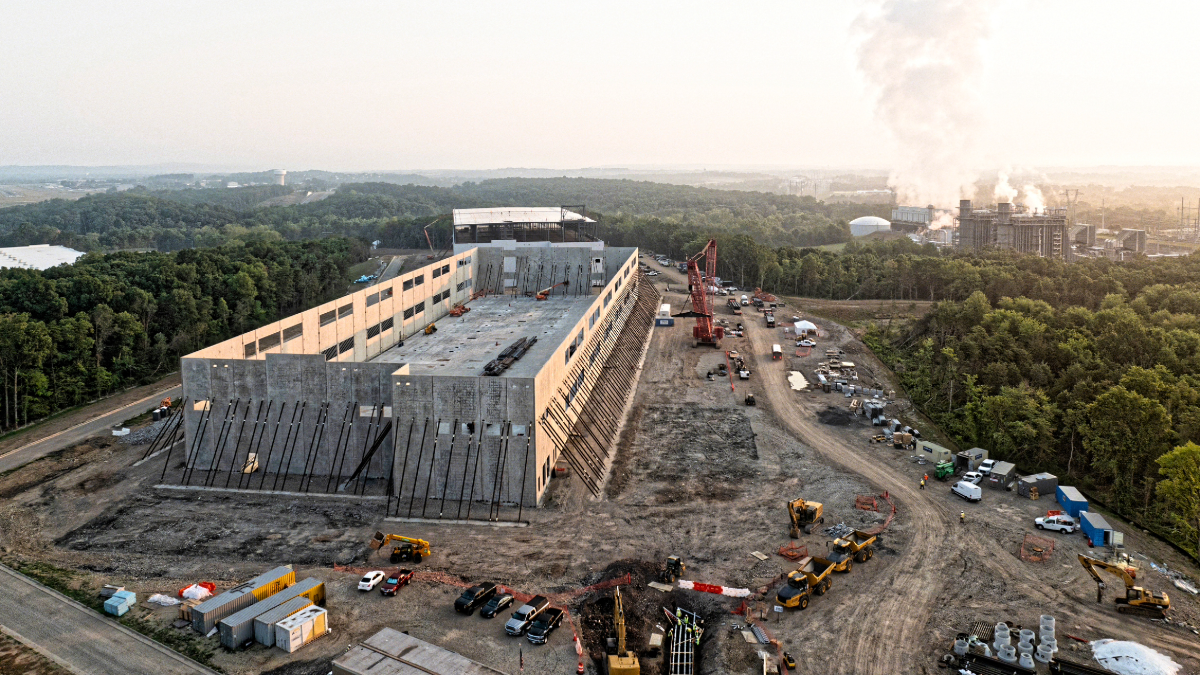
Data center community impact: why neighbors push back and how to fix it
Residents now weigh whether constant truck traffic, diesel generators, and high power draws are worth the jobs a facility might bring. The tension around data center community impact has grown because AI demand keeps pushing for new sites near suburbs, not far-off industrial parks. You want capacity fast, but you risk souring local sentiment if you overlook noise, air quality, and land use. Operators that misjudge zoning fights lose time and money. The surprise twist from recent polling: some people would rather host an Amazon warehouse than a data center. How did we get here, and how do you avoid becoming the next headline?
What matters right now
- Noise and diesel emissions top neighborhood complaints more than building height.
- Grid strain and water use spark scrutiny from councils and state regulators.
- Community benefits that feel tangible beat glossy promises every time.
- Transparent construction timelines calm fears about endless disruption.
Why data center community impact is sparking backlash
Look at any county meeting video and you will hear worries about 24/7 hums and generator tests. The typical campus looks quiet, yet backup systems and supply deliveries can sound like a freight yard on a bad day. And people remember. A warehouse brings traffic during daylight; a data center brings periodic nighttime rumble. That silence at midnight matters.
“We get the risk without the retail jobs,” one Virginia resident told planners after a rezoning vote.
Water use adds fuel. Some facilities draw millions of gallons per day for cooling, making neighbors wonder whether summer droughts will hit harder. Who wants to trade quiet nights for a line of diesel trucks? Power demand is the other flashpoint, especially when utilities propose new transmission lines just to feed AI clusters.
How to shrink data center community impact fast
You can de-escalate if you treat the site like a neighbor, not a fortress. Start with design choices that cut obvious pain points.
- Pick hybrid cooling that relies on air most days and water only in heat spikes.
- Use Tier IV level sound attenuation on generators and schedule tests mid-day.
- Route truck deliveries away from schools and dense blocks; publish the route map online.
- Contract for grid-scale batteries so peak draws do not force new lines through backyards.
Pair those moves with visible benefits. Fund local broadband, sponsor STEM labs, or reserve warehouse-style space for community logistics during emergencies. It feels small, but people remember who shows up after a storm.
Governance that reassures people
Transparency beats glossy brochures. Publish quarterly noise readings and water use data with third-party verification. But do not bury it in PDFs. A live dashboard lets residents check for themselves, and it signals you will not hide bad days. Think of it like cooking with an open kitchen: customers see the process, so trust rises.
Secure a community advisory board before the first shovel hits dirt. Invite local clinics and schools, not just business owners. If zoning allows, cap the number of generators per acre in a recorded agreement. That move looks restrictive, yet it buys political capital.
Regulation and incentives to align interests
Counties crave tax revenue, but they fear being locked into infrastructure upgrades that only serve one operator. Offer to fund grid modernization that benefits the whole region. Structure PILOT agreements with milestones tied to noise and water benchmarks. This frames growth as a shared project, not a private land grab.
Federal and state energy programs now reward efficient cooling and on-site storage. Use them. A data center built like a stingy runner uses fewer watts per compute unit and draws less ire.
Data center community impact playbook for AI growth
AI workloads are driving seismic power needs, but you can temper the footprint. Co-locate with renewable projects where interconnects already exist. Move non-latency-sensitive tasks to remote sites and keep only low-latency edges near cities. Consider modular builds so you can pause expansion if community sentiment shifts. It is like playing chess, not checkers: position matters more than speed.
(A rare move) is to offer public tours once the site is live. It sounds risky. Yet it demystifies the building and turns it from a secretive box into a local point of pride.
The next move
Neighbors will keep scoring every truck, every generator test, every drop of water. If you act like a guest instead of a conqueror, you earn the room to grow. Ready to invest in that goodwill before you pour the next slab?