Decart World Model Simulates Photorealistic Driving
AI teams keep saying they need better simulators, but most virtual driving setups still look fake, break under edge cases, or cost too much to run at scale. Decart’s world model changes that equation. Its system can simulate hours of photorealistic driving, which makes it interesting for training, testing, and stress-checking autonomous systems. The catch is just as important as the demo. Photorealism does not mean the model understands physics, traffic law, or rare events with the same reliability you would want in a production stack. If you care about world model performance, this is the kind of progress that deserves a hard look, not a hype cycle.
- The model produces long stretches of realistic driving scenes, not just short clips.
- Photorealistic output is useful, but it does not guarantee physical accuracy.
- Simulation quality matters most for edge cases, not glossy demos.
- Decart’s result pushes world model performance closer to practical use.
- The real question is whether the system stays consistent over long horizons.
What Decart’s world model performance actually shows
Decart is showing something that AI researchers have wanted for years: a system that can keep a driving scene coherent over time without falling apart after a few seconds. That matters because most video models can fake motion, then drift. Lane markings slide. Shadows warp. Cars behave like props in a bad set.
This model appears to hold up longer, which makes it more useful for simulation. But what does that mean in practice? It means you can test how a driving policy reacts to a longer sequence of events, not just a snapshot. That is a real step forward for world model performance, even if it is not the full prize.
Photorealism is not the same as truth. A scene can look right and still be wrong in ways that matter for safety.
Why long driving simulations matter
Long-horizon simulation is the hard part. A model can generate a road scene for 10 seconds and still miss the point if it cannot preserve object permanence, lane structure, or vehicle behavior over minutes. Autonomous systems need more than pretty pixels. They need continuity.
Think of it like a basketball drill. A player who makes one clean shot in warmups is not ready for a full game. The same logic applies here. A system has to survive the mess of real driving, with changing light, odd merges, and traffic that does not behave politely.
That is why long-duration world model performance is more valuable than a flashy clip. It gives researchers a better place to probe failure modes. And failure modes are where the useful work happens.
Where the caveats start to bite
Decart’s demo is promising, but the caveats are not small. Photorealistic output can mask deeper weaknesses. A model may draw convincing cars while still inventing impossible motion, missing causal structure, or losing track of what happened earlier in the scene.
There is also the issue of distribution shift. A simulator can look strong in familiar conditions and then wobble when the scene changes. Night driving. Construction zones. Weird weather. A child chasing a ball. Those are the tests that separate a neat demo from a system engineers can trust.
What to watch for
- Temporal consistency. Does the scene stay stable over many minutes?
- Physics sanity. Do vehicles move in ways that make sense?
- Edge cases. Can the model handle rare but dangerous events?
- Control usefulness. Can an autonomous stack learn from the simulation, or just admire it?
How this fits into the world model race
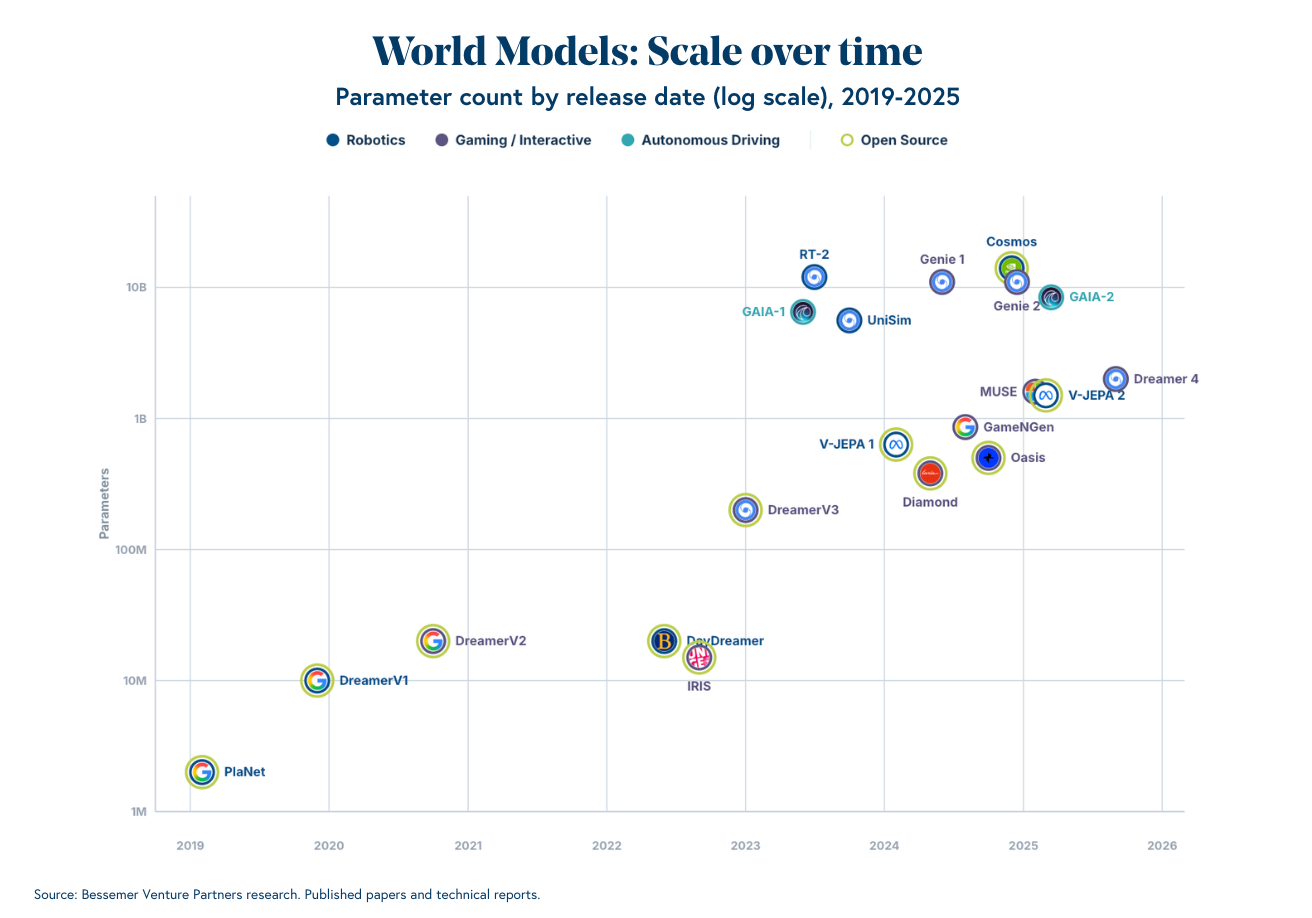
World models are getting a lot of attention because they sit between raw video generation and true environmental understanding. That middle ground is useful. It gives developers a way to simulate, plan, and test without always relying on expensive real-world miles.
Decart’s work suggests the field is moving from short, brittle demos toward systems that can sustain a coherent environment for longer stretches. That is not a small shift. It could lower the cost of scenario testing and help teams explore rare cases faster. But the bar is high. If the model cannot preserve causal structure, the simulation may still be decorative.
So the real metric is not how real it looks. It is how well it supports decisions.
What this means for AI teams
If you build autonomy, robotics, or simulation tools, this is worth tracking closely. A strong world model can reduce the need for hand-built scenes and broaden the range of test conditions. It can also reveal gaps in perception and planning systems before those gaps show up on a road.
But you should treat it like a test instrument, not a source of truth. Use it to generate scenarios. Use it to compare behaviors. Use it to pressure-test assumptions. Do not confuse polished output with reliable grounding.
That is the line that matters. And it is a fairly sharp one.
What comes next for world model performance
The next round of progress will probably be about control, consistency, and verification. Can the model obey constraints? Can it maintain state over longer sequences? Can researchers measure when it is wrong, not just when it looks good? Those are the questions that will decide whether this becomes a serious tool or just another impressive demo.
Decart has pushed the conversation forward. Now the field has to answer a tougher question: if a world model can simulate hours of driving, can it do so in a way that engineers can actually trust?