DNC panel rejects AIPAC primary rebuke
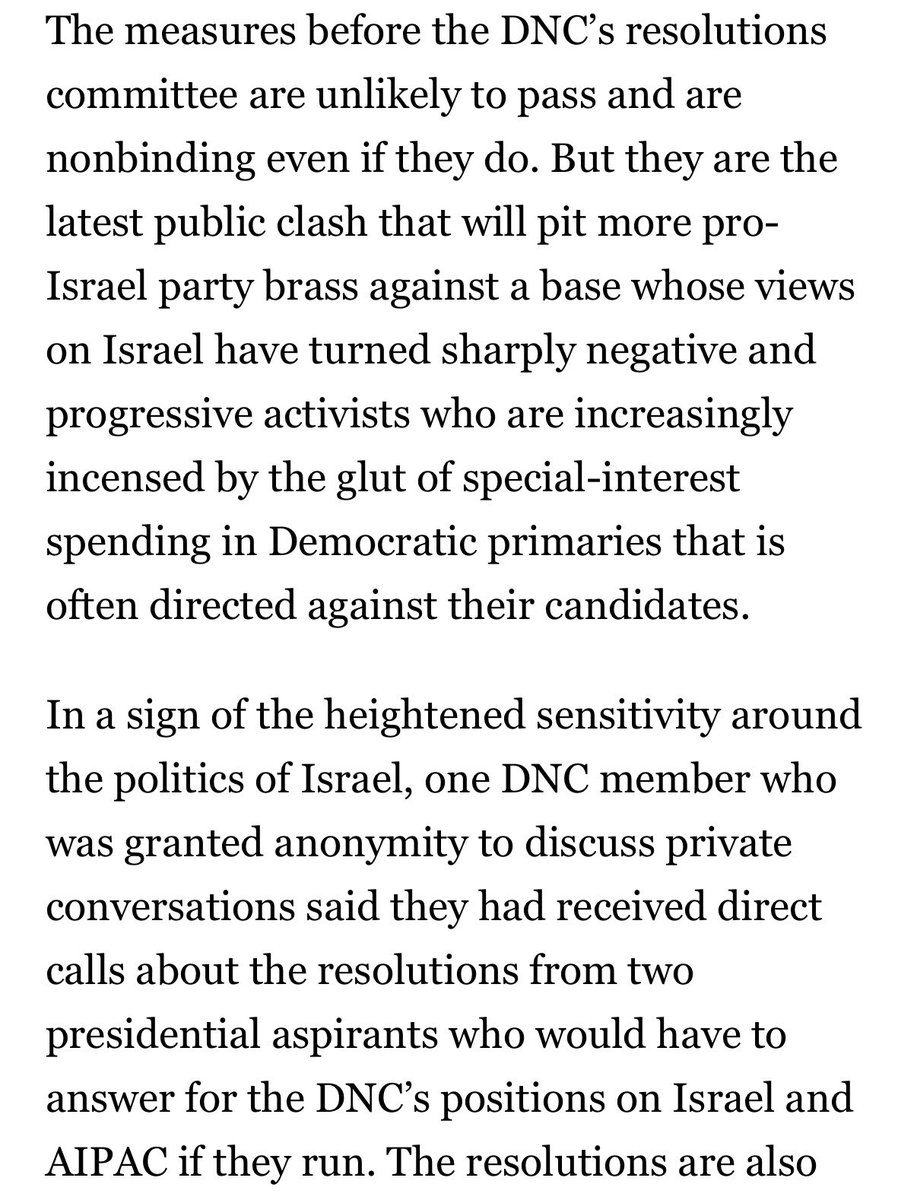
The Democratic National Committee’s resolutions panel quietly shelved a bid to denounce AIPAC’s primary spending, and the move exposes how divided the party remains over outside money. The DNC AIPAC resolution would have put the party on record against the pro-Israel group’s role in contested House races, but members opted to let it die in committee. For candidates who see AIPAC’s cash as a lifeline, that choice looks pragmatic. For progressives who view the group’s GOP giving as toxic, it feels like capitulation. Which side reads the room better as 2026 primaries loom?
What stood out
- Committee members voted down the censure bid before it reached the full DNC.
- Backers framed the DNC AIPAC resolution as a guardrail on GOP-aligned money in Democratic primaries.
- Opponents warned the measure would fracture donor alliances ahead of a tough cycle.
- The fight underscores lingering Israel policy rifts inside the party.
Why the DNC AIPAC resolution mattered
Supporters argued the resolution would deter a flood of outside spending that distorts safe blue seats. They pointed to AIPAC’s backing of pro-Israel Republicans as proof that the group’s primary work is more about influence than party loyalty. Think of it like a basketball coach watching an opposing sponsor pay for new gear in the home locker room. Helpful gear, questionable motive.
Opponents countered that alienating a deep-pocketed ally weeks before filing deadlines is political malpractice. They leaned on the reality that national committees rarely muzzle outside groups unless there is legal risk. One sentence says it all.
Inside the committee room
According to members in the room, debate stayed polite but pointed. One member stressed that passing the resolution would hand Republicans a soundbite about Democrats rejecting pro-Israel voices. Another asked whether the DNC should police any outside spender or just the ones disliked by the left. The back-and-forth felt less like a moral trial and more like a budget meeting where every dollar is spoken for.
The resolution would have been a statement of values, not an enforceable rule, a sponsor told me after the vote.
Practical fallout for 2026 primaries
The failure gives AIPAC and its super PAC allies confidence to keep investing in competitive primaries. Candidates seeking those checks now know the national party will not stand in the way. Progressives will frame every AIPAC-aligned ad as proof of outside meddling and use it to fundraise. Look at it as a chess match where controlling the center early shapes every later move.
Will this escalate intra-party attacks next cycle? Probably, because negative ads from outside groups tend to invite counterstrikes from local activists who feel overrun.
How campaigns can adapt
- Track outside spend in real time so you can rebut ads within 24 hours.
- Prep donor messaging that explains your stance on Israel and primary spending without ducking specifics.
- Build local validators—union leaders, clergy, neighborhood organizers—to blunt national money narratives.
- If you expect AIPAC backing, script a clear answer on why you welcome it and where you disagree.
The bigger signal
This outcome shows the DNC still prizes donor harmony over symbolic gestures. It also hints at how Israel politics will shadow Democratic primaries even when abortion and the economy dominate polling. And if party leaders think the issue will fade, they should remember how quickly digital activists can revive it with a clip from any debate stage.
So the next time a committee agenda lists an Israel-related resolution, expect fireworks, because no one wants to be caught flat-footed.
What to watch next
Watch whether state parties pick up similar measures, giving activists a smaller arena to win. Keep an eye on which incumbents accept AIPAC-backed ads without comment. Most of all, see if grassroots donors respond by boosting rival PACs that promise to keep primaries clean.
Does the party risk more by appeasing donors or by angering its base?