Elon Musk and the AI Nudification Ban
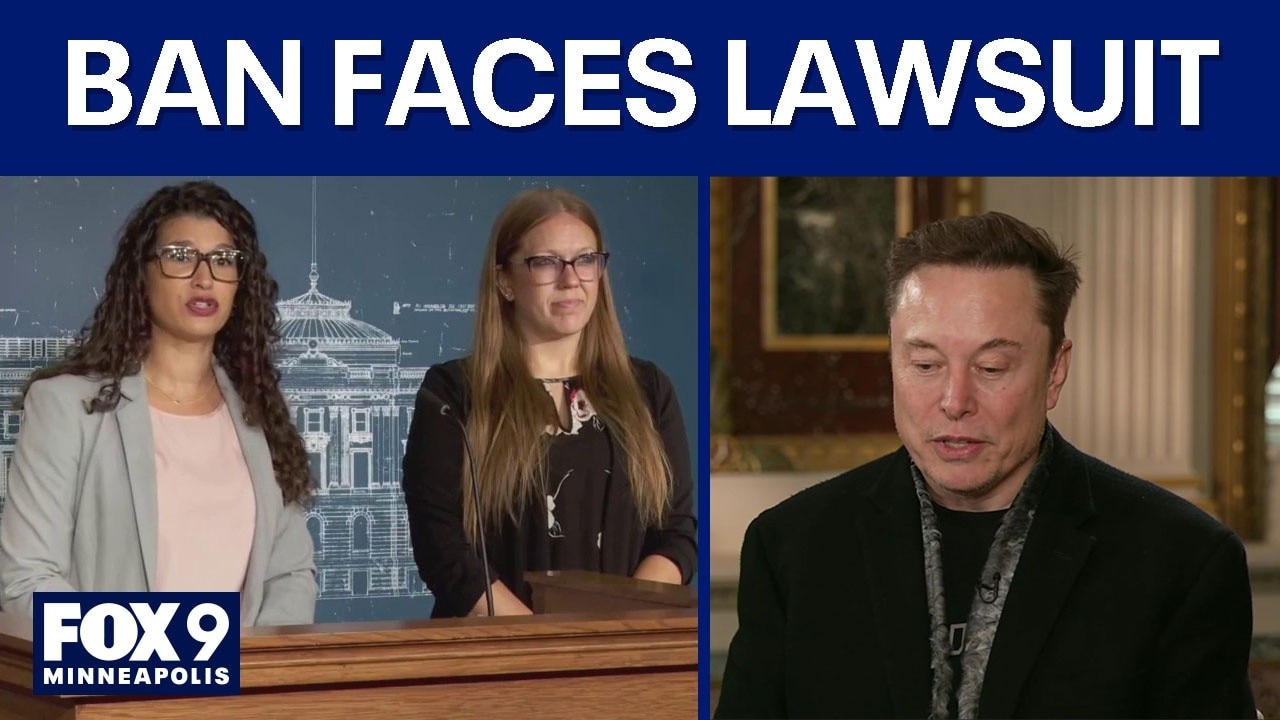
Elon Musk is fighting an AI nudification ban, and that matters because the argument is bigger than one platform or one celebrity fight. It sits at the center of a fast-moving problem: tools that can strip clothes from a photo, fake explicit images, and spread them before the victim can react. If you work in tech, policy, media, or trust and safety, you need to understand what is at stake. The debate is not about whether these tools exist. They do. The real question is who should be held responsible when they are used to humiliate, harass, or extort people. And yes, the answer is getting messier by the month.
What matters most
- AI nudification tools can turn ordinary photos into sexualized fakes in seconds.
- The policy fight is about platform liability, moderation, and free speech limits.
- Victims often face rapid spread, weak takedown systems, and lasting damage.
- Lawmakers are trying to catch up, but state rules vary a lot.
- The Musk fight signals how much resistance platform owners may give when regulation hits their business model.
What is an AI nudification ban?
An AI nudification ban is a law or platform rule that targets software used to create fake nude or sexual images of real people. These systems often rely on generative AI and image editing models. They can take a public photo, a social post, or a school picture and generate abuse material that looks convincing enough to cause harm.
That harm is not abstract. A teen, a coworker, or a public figure can be targeted in minutes. The image may be fake, but the fallout is real. Schools, employers, and families still have to deal with the damage.
The hard truth: if a tool is built to generate nonconsensual sexual imagery, the abuse case is not a side effect. It is the product.
Why is Musk pushing back on an AI nudification ban?
From Musk’s point of view, broad AI rules can look like blunt instruments. He has long argued that heavy-handed moderation can choke speech, slow product development, and invite political abuse. That stance fits his wider approach at X, where he has often resisted rules he sees as overreach.
But the policy question is narrower than the rhetoric. Are lawmakers trying to ban general-purpose AI, or are they targeting a specific kind of abusive content? Those are not the same thing. A ban aimed at nonconsensual sexual deepfakes is closer to fraud or harassment law than to a ban on image generation itself.
Honestly, this is where the debate gets fuzzy on purpose.
Why the AI nudification ban keeps coming back
The pressure is rising because the harm is easy to scale. One person can mass-produce fake explicit images with very little skill. Before AI, that kind of abuse usually took more time, more editing, and more effort. Now the barrier is low, and the output is fast. Like a factory line for humiliation.
That is why lawmakers in multiple states and countries keep circling the issue. They are not trying to solve every AI problem at once. They are trying to stop one specific abuse pattern that keeps resurfacing.
What law and policy makers are trying to do
- Make it illegal to create or distribute nonconsensual sexual deepfakes.
- Require faster takedown systems from platforms.
- Give victims a clearer path to civil or criminal remedies.
- Put penalties on repeat offenders and the sites that host them.
That last point is where platforms get nervous. Once liability enters the picture, product teams have to build detection, reporting, and moderation systems that actually work. That costs money. It also creates pressure to know what users are doing, which is exactly where privacy fights start.
What does this mean for platforms like X?
Platforms live in the middle of the mess. If they allow nudification tools or tolerate posts that advertise them, they can become distribution channels. If they overcorrect, they risk blocking legitimate AI art, editing, or satire. The line is real, but it is not impossible to draw.
Here is the thing. Social platforms already make hard moderation calls every day on scams, copyright, threats, and child exploitation. This is different in tone, not in kind. If a company can scan for spam, it can build workflows for sexual deepfakes too. The real question is whether it wants to.
Think of it like restaurant health codes. You do not ban cooking because someone might poison a meal. You set rules for dangerous practices and inspect the kitchen.
How should you think about the free speech argument?
Free speech is the loudest shield in these fights. It matters. But speech does not give someone the right to forge intimate images of another person and circulate them as if they were real. That crosses into harassment, privacy invasion, and often defamation or extortion.
Should a fake nude of a private person get the same protection as a political meme? Most lawmakers would say no. And most victims would ask why the burden is always on them to clean up the wreckage.
What happens next in the AI nudification ban debate?
The next phase will be less about headlines and more about enforcement. Courts will test vague language. Platforms will rewrite terms of service. Victims will keep pushing for faster takedowns and stronger penalties. The companies that move first on detection and reporting will look smarter than the ones that wait for the next scandal.
The pressure is not going away. If anything, it will spread as the tools get cheaper and easier to use. The real test for Musk, and for every other platform owner, is simple. Will they treat AI nudification as a niche abuse problem, or as a line that should never have been crossed?