Elon Musk Political Spending and the Midterms
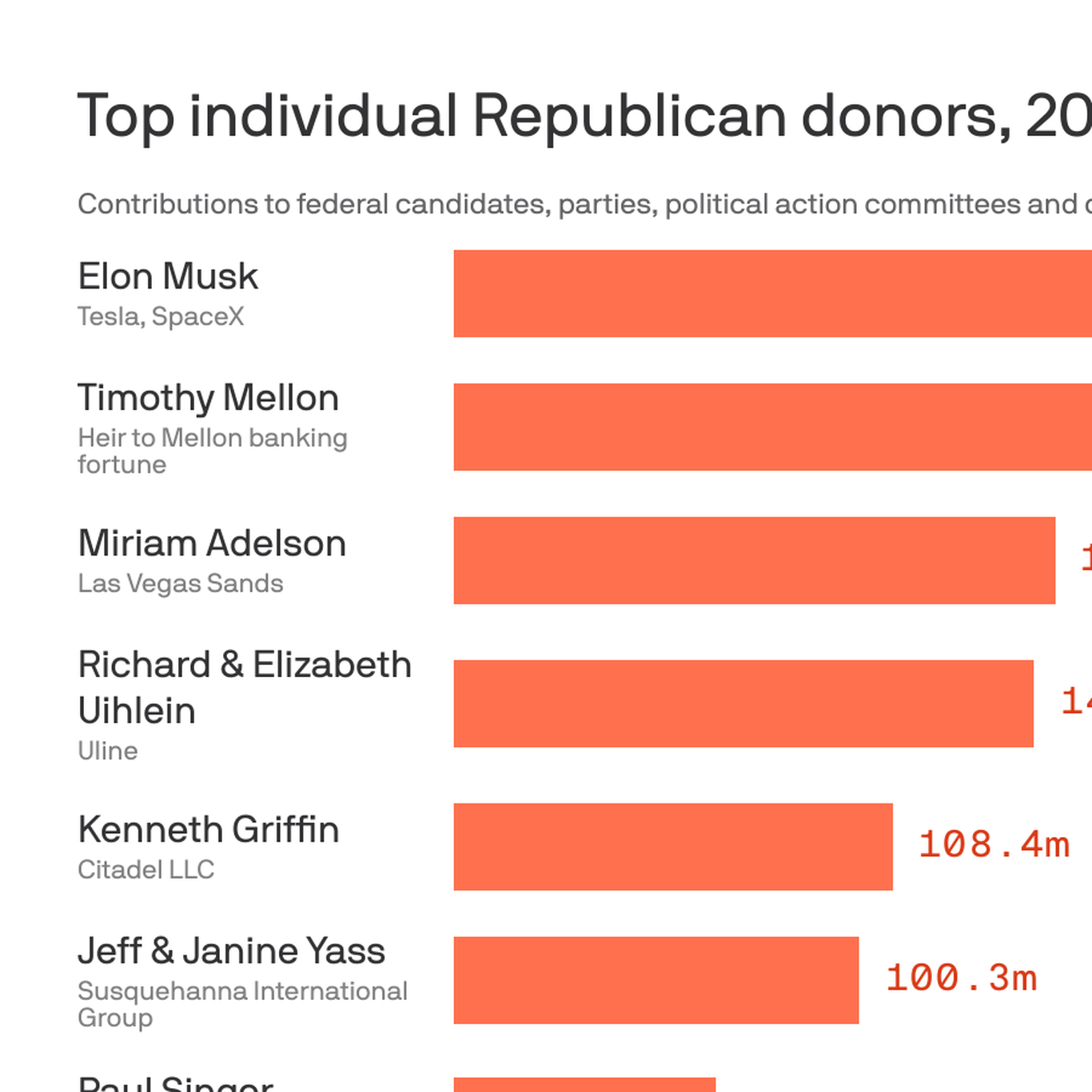
You can ignore a billionaire’s posts. You cannot ignore the money. Elon Musk political spending matters now because the midterms are close enough for cash, data, and media attention to shape which races get national oxygen. WIRED’s Uncanny Valley podcast has been tracking Musk’s midterm spending spree, and the bigger question is not whether one rich executive has opinions. Of course he does. The sharper question is how much political influence can sit inside one person’s wallet, social platform, and fan base at the same time. That mix is unusual, even by Silicon Valley standards. I’ve covered tech power long enough to know that influence rarely arrives with a label. It shows up through donations, PACs, boosted narratives, candidate access, and quiet pressure. So what should you watch before ballots are counted?
What Stands Out
- Musk’s political activity is not only about donations. His ownership of X gives him a direct media channel.
- Midterm spending can matter most in lower-turnout races where a small shift changes the result.
- Voters should track PACs, independent expenditures, and candidate endorsements, not only direct checks.
- Tech money now plays a larger role in culture-war messaging, regulation fights, and state-level races.
Why Elon Musk Political Spending Is Different
Rich donors are not new in American politics. The Koch network, George Soros, Michael Bloomberg, and Peter Thiel have all spent heavily to shape elections and policy fights. Musk is different because he combines wealth, celebrity, a major communications platform, and a talent for hijacking the news cycle.
That combination gives him several lanes at once. He can fund political groups, endorse candidates, amplify messages on X, and frame policy debates around regulation, speech, immigration, energy, labor, and artificial intelligence. Most donors need a media strategy. Musk is the media strategy.
Political power used to require a donor network, a cable-news booking, and patient coalition work. Musk can create a national political story from his phone.
Is that illegal? Usually, no. Is it healthy for voters? That depends on transparency, competition, and whether the public can see who is paying for what.
How Midterm Money Actually Moves
Campaign finance can feel like bad plumbing. Pipes run everywhere, and by the time you see the leak, the damage is already spreading. But the basics are manageable.
Political money usually flows through a few channels:
- Direct campaign donations: These are limited under federal law and reported to the Federal Election Commission.
- Super PACs: These groups can raise and spend unlimited sums, but they cannot formally coordinate with campaigns.
- Dark money nonprofits: Some groups can spend on politics without disclosing every donor, depending on structure and activity.
- Issue ads: These ads may avoid direct candidate language while still pushing voters in a clear direction.
- Platform influence: This is harder to measure. It includes amplification, visibility, and narrative-setting on social media.
That last category is where Musk scrambles the usual playbook.
A billionaire writing checks is one thing. A billionaire who also controls a major political conversation hub is another. It is like owning the stadium, coaching one team, and selling the loudspeakers to the crowd.
Elon Musk Political Spending and X
X is central to the story because it blurs the line between speech, media power, and political operation. Musk does not need to buy every ad if he can steer attention. He can post, reply, ridicule, praise, or elevate accounts that match his political mood.
Look, that does not mean every X user changes their vote because Musk posts. Voters are not puppets. But attention has value. Journalists still mine X for stories. Campaign staffers track what trends. Activists use viral clips to raise money. A message that catches fire on X can jump into podcasts, cable segments, newsletters, and local Facebook groups by dinner.
That loop matters in a midterm cycle, where turnout is lower than in presidential years. Small changes can bite.
What Voters Should Watch Before Election Day
You do not need to become a campaign finance lawyer. You do need a basic filter for claims, ads, and sudden political noise. Here is the practical checklist I use when covering big-money influence.
- Check the sponsor: Every political ad should name who paid for it. Search that group before you trust the message.
- Use FEC data: The Federal Election Commission database shows federal donations, PAC spending, and filings.
- Watch state races: Secretaries of state, attorneys general, judges, and local officials can shape rules that affect tech companies.
- Separate posts from proof: A viral claim is not evidence. Wait for documents, filings, or named reporting.
- Follow timing: Late money often signals which races donors think are close enough to swing.
Pay special attention to independent expenditures in the final weeks. Campaigns have legal limits. Outside groups have more room to flood a district with ads.
The Policy Stakes Behind the Politics
Musk’s political interests do not sit in a vacuum. His companies touch electric vehicles, satellites, rockets, social media, brain-computer interfaces, AI, and federal contracting. That means elections can affect taxes, labor rules, speech regulation, defense procurement, clean-energy credits, and antitrust pressure.
Honestly, this is where the story gets less theatrical and more serious. A meme can pull attention, but policy is where money gets its return.
Consider a few live pressure points:
- EV policy: Tax credits, charging infrastructure, and domestic manufacturing rules affect Tesla.
- Space and defense: SpaceX and Starlink have deep ties to government contracts and national security debates.
- Platform regulation: X sits inside fights over content moderation, child safety, political speech, and transparency.
- AI rules: Musk’s AI interests place him near debates over model safety, open source systems, and compute access.
- Labor: Union policy and worker classification fights can touch Tesla and other Musk-linked firms.
None of this means every donation is a direct transaction. Politics is rarely that tidy. But voters should assume large donors care about policy outcomes, not only party labels.
Why the Midterms Are a High-Value Target
Presidential elections get the attention. Midterms often deliver the machinery.
Control of Congress decides committee chairs, subpoena power, agency budgets, and which bills even get a hearing. State-level midterm races can determine election administration, abortion law, energy rules, school policy, and litigation strategy. For a donor with business interests across regulated industries, that is not background noise.
Midterms also cost less to influence than presidential races. A few million dollars can be background static in a national campaign, but it can be seismic in a House race, a state supreme court contest, or a ballot measure fight.
What WIRED Adds to the Story
WIRED’s Uncanny Valley episode on Musk’s midterm spending spree fits into a larger beat the magazine has followed for years: the political rise of Silicon Valley power. That coverage matters because tech executives are no longer staying in the polite lane of product launches, venture capital, and regulatory testimony.
They are building political identities. They are funding candidates. They are turning platforms into pressure systems.
That shift deserves scrutiny without panic. Musk is not the only tech figure spending money. He is the loudest, and that makes him useful to study. If you understand his model, you can better read the next billionaire who tries a quieter version.
How to Read the Next Musk-Backed Message
Before you share an ad, clip, or claim tied to Musk-aligned politics, ask three questions:
- Who benefits if I believe this? Name the candidate, company, donor, or policy goal.
- What is the evidence? Look for filings, court records, public contracts, or credible reporting.
- Why now? Late-cycle outrage often exists to move turnout, distract from bad news, or define an opponent before they can answer.
Here’s the thing. You do not have to hate Musk or admire him to evaluate his political power clearly. Treat him like any other major actor with money, media access, and business interests. Follow the incentives.
The Next Test Is Transparency
The real issue is not whether Elon Musk gets to participate in politics. He does. The issue is whether voters can see the machinery behind that participation before it affects their choices.
Elon Musk political spending will not end with one midterm cycle. Tech wealth is moving deeper into elections because regulation is catching up with tech power. The practical next step is simple: track the money, check the sponsor, and do not confuse virality with truth. If one person can bankroll the message and shape the megaphone, how much daylight should democracy require?