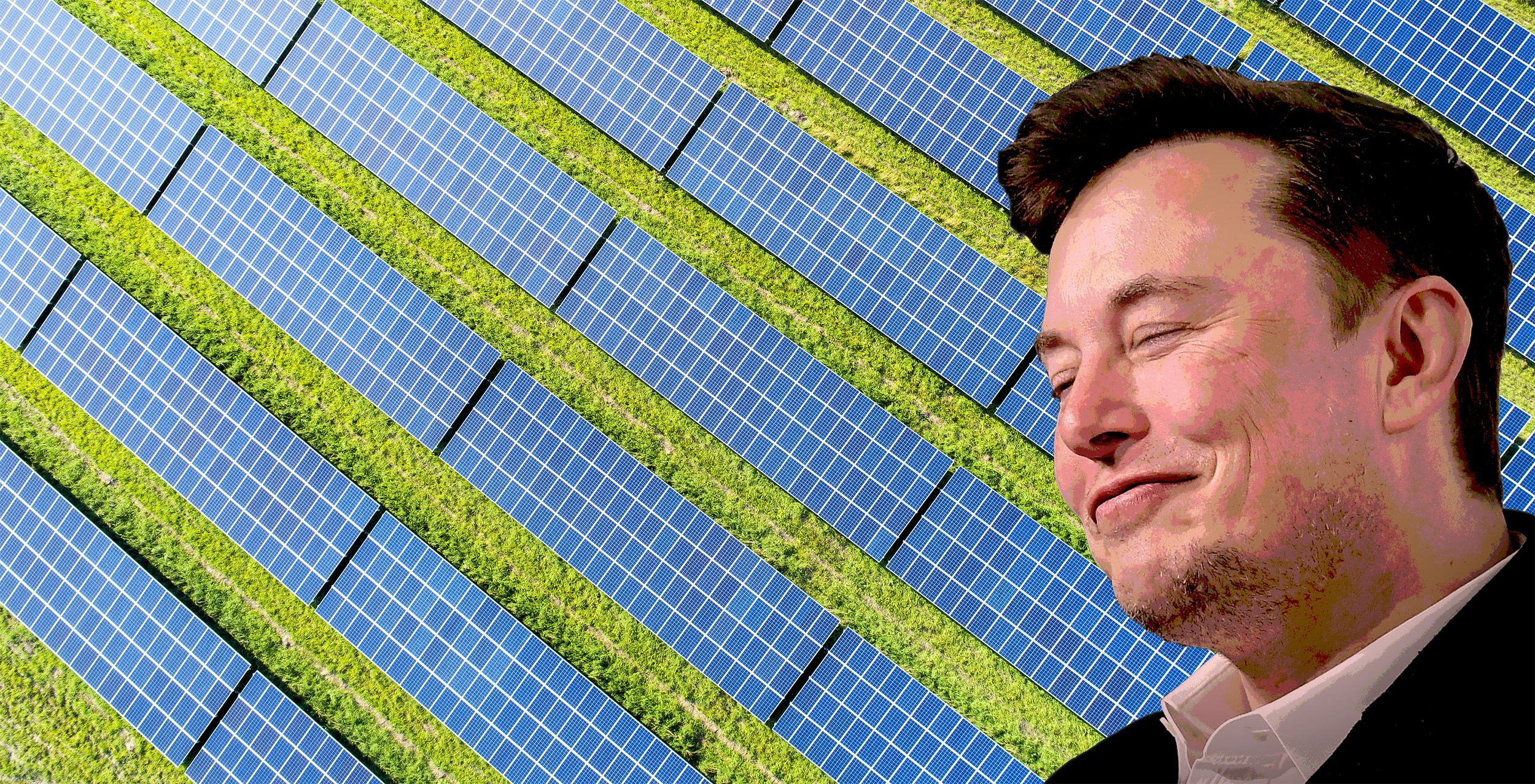
Elon Musk Solar Power Retreat Explained
If you follow clean energy, this story matters because Elon Musk solar power comments can move markets, shape public sentiment, and muddy how people read the future of renewables. Musk once pitched a tight link between electric cars, home batteries, and rooftop solar. Now the message looks thinner. That raises a simple question. Is he backing away from a core piece of the energy transition, or is this just a business choice dressed up as philosophy?
Here’s the thing. Solar power on Earth is no side bet. The International Energy Agency has repeatedly described solar as a major driver of new electricity capacity worldwide. So when one of tech’s loudest executives appears to lose interest, you should separate the headline from the hard reality. The real story is less about whether solar works and more about where Musk sees profit, scale, and attention going next.
What stands out
- Elon Musk solar power rhetoric appears to be drifting away from the rooftop vision he once pushed with Tesla and SolarCity.
- That shift does not weaken the broader case for solar, which remains one of the fastest-growing power sources globally.
- Tesla’s energy business still leans heavily on batteries, storage, and grid-scale products.
- Investors and consumers should treat Musk’s view as a corporate signal, not a verdict on solar economics.
Why the Elon Musk solar power shift matters
Musk helped sell a clean energy package that sounded elegant. Buy a Tesla. Add a Powerwall. Put solar on your roof. Lower your grid dependence. It was tidy, easy to market, and emotionally sticky.
But tidy stories often break when they hit operational reality. Rooftop solar is slow to scale, installation is labor-heavy, customer acquisition costs are high, and local regulation is a mess. Grid batteries, by contrast, can turn into bigger contracts with fewer moving parts. If you run the numbers, the temptation is obvious.
Solar was once central to Musk’s public clean energy pitch. Lately, storage looks like the business he actually wants to talk about.
That matters because people often confuse a CEO’s business preference with technological truth. They are not the same thing.
Is Elon Musk giving up on solar power, or just changing the bet?
The sharper reading is that Musk may be giving up on one version of solar, not solar itself. Rooftop systems for homes are difficult. Utility-scale solar farms are a different animal. And battery storage paired with solar is now where much of the serious action sits.
Look, this is a bit like a football coach abandoning trick plays to focus on field position. The coach is not rejecting offense. He is choosing the strategy that wins more often under real conditions. Musk seems to be doing something similar with energy.
That distinction matters.
If Tesla no longer sees rooftop solar as a major growth engine, that says more about margins and execution than physics. Sunlight is still free. Panel costs have fallen for years. Storage is getting better. Demand for firm, flexible power is rising in grids dealing with AI data centers, electric vehicles, and heat waves.
What the market says about solar power on Earth
The broad market case for solar remains solid, regardless of Musk’s posture. The International Energy Agency has said solar PV has become one of the cheapest sources of electricity in many countries. BloombergNEF and other energy analysts have also tracked steady deployment growth in both utility-scale and distributed solar.
So why would a high-profile executive cool on it? Because the solar market is not one thing. It has segments, and those segments behave very differently.
Rooftop solar
This segment depends on installers, local permitting, financing, state policies, and consumer patience. It can work well, but the business is messy. And messy businesses tend to frustrate leaders who prefer standardization.
Utility-scale solar
This is more industrial. Big projects, longer timelines, and huge power output. Pair it with batteries and it becomes far more valuable to grid operators.
Energy storage
Batteries are becoming the glue. They help smooth solar output, manage peak demand, and reduce grid strain. Tesla has a stronger case here, especially with Megapack.
Honestly, if you wanted to guess where Tesla leadership wants investor attention, storage would be near the top of the list.
What this means for Tesla Energy and clean tech buyers
If you are a homeowner, this story should not scare you away from solar. It should push you to ask better questions. Your decision depends on local utility rates, net metering rules, roof condition, battery needs, and payback period. Musk’s mood is irrelevant to that math.
If you are an investor or industry watcher, the signal is more strategic:
- Tesla Energy may prioritize storage over residential solar growth.
- The company could keep solar as a supporting product rather than a headline product.
- Grid-scale energy infrastructure may offer cleaner scaling than household-by-household installation.
And if you work in climate tech, there is a wider lesson. Grand consumer bundles sound great on stage, but infrastructure businesses usually win through boring execution. Permits. Installers. Utility contracts. Supply chains. The unglamorous stuff.
Does the Elon Musk solar power narrative change the energy transition?
Not much. That is the blunt answer.
Solar adoption does not rise or fall on one executive’s enthusiasm. The energy transition is driven by cost curves, policy, grid needs, manufacturing capacity, and weather risk. Personal brands can distort the conversation for a while, but they do not rewrite those fundamentals.
What can change is public understanding. If enough people hear that a famous founder has lost faith in solar, some will assume the technology failed. It did not. A company can step back from a segment even while the segment keeps expanding without it.
Think of it like architecture. One high-profile firm can stop designing small houses and focus on airports instead. That does not mean houses stopped making sense. It means the firm picked a different kind of project.
How to read the story without the hype
- Separate Musk’s business incentives from the global solar market.
- Watch Tesla’s storage strategy, especially Megapack, for the clearest signal.
- Do not treat rooftop solar weakness as proof that all solar models are weak.
- Check independent sources such as the IEA, BloombergNEF, and utility filings before making broad claims.
And ask yourself one useful question. Is this a technology verdict, or a company deciding where it can make the most money fastest?
Where this leaves solar next
The likely future is less romantic and more industrial. Solar keeps growing. Batteries become more central. Grid operators demand flexible capacity. Home solar remains valuable in the right markets, but it may not be the clean-energy poster child Musk once wanted it to be.
My read after years of watching tech leaders swing between conviction and convenience is simple. Musk may be done selling the old rooftop dream, yet the market for solar power on Earth is still very much alive. The more interesting question now is which companies will do the hard work he seems less eager to bother with.