EPA Rule Change and Data Center Pollution
Data centers are eating more power, and the pollution question is getting harder to dodge. If you work near a new AI buildout, live downwind of one, or track permits for a growing campus, the data center pollution problem matters now because federal air rules can shape what gets built, how fast it gets approved, and what kind of emissions come with the rush. The EPA does not run these projects, but its rule changes can set the tone for state permitting and local enforcement. That is where the real pressure lands. On paper, this is about compliance. In practice, it is about whether the next generation of server farms runs on cleaner grid power or on-site fossil backup that keeps the smoke stack business alive.
What the EPA rule change means for data center pollution
The core issue is simple. Data centers need electricity, backup generation, and fast permits. If the EPA changes how air permits apply, projects may face tighter review for generators, turbines, and other equipment that can emit nitrogen oxides, particulate matter, and greenhouse gases.
That sounds technical, but the effect is blunt. Better rules can force operators to account for pollution earlier. Looser ones can speed construction and leave more to state agencies. And yes, that split matters when a single campus can draw power like a small city.
The real fight is not about servers. It is about the diesel and gas hardware that keeps them online when the grid stumbles.
Why data center pollution is now a policy problem
For years, data centers sold themselves as invisible infrastructure. Clean floors, quiet halls, tidy numbers. But the footprint sits upstream and downstream of the server room. You get land use, grid demand, water use, and air emissions from backup systems and power plants tied to the load.
The AI boom made the issue louder. Large model training and inference push demand up fast, and utilities are rushing to keep pace. That can mean new gas generation, more transmission, or both. Which path do you think creates fewer headaches for regulators?
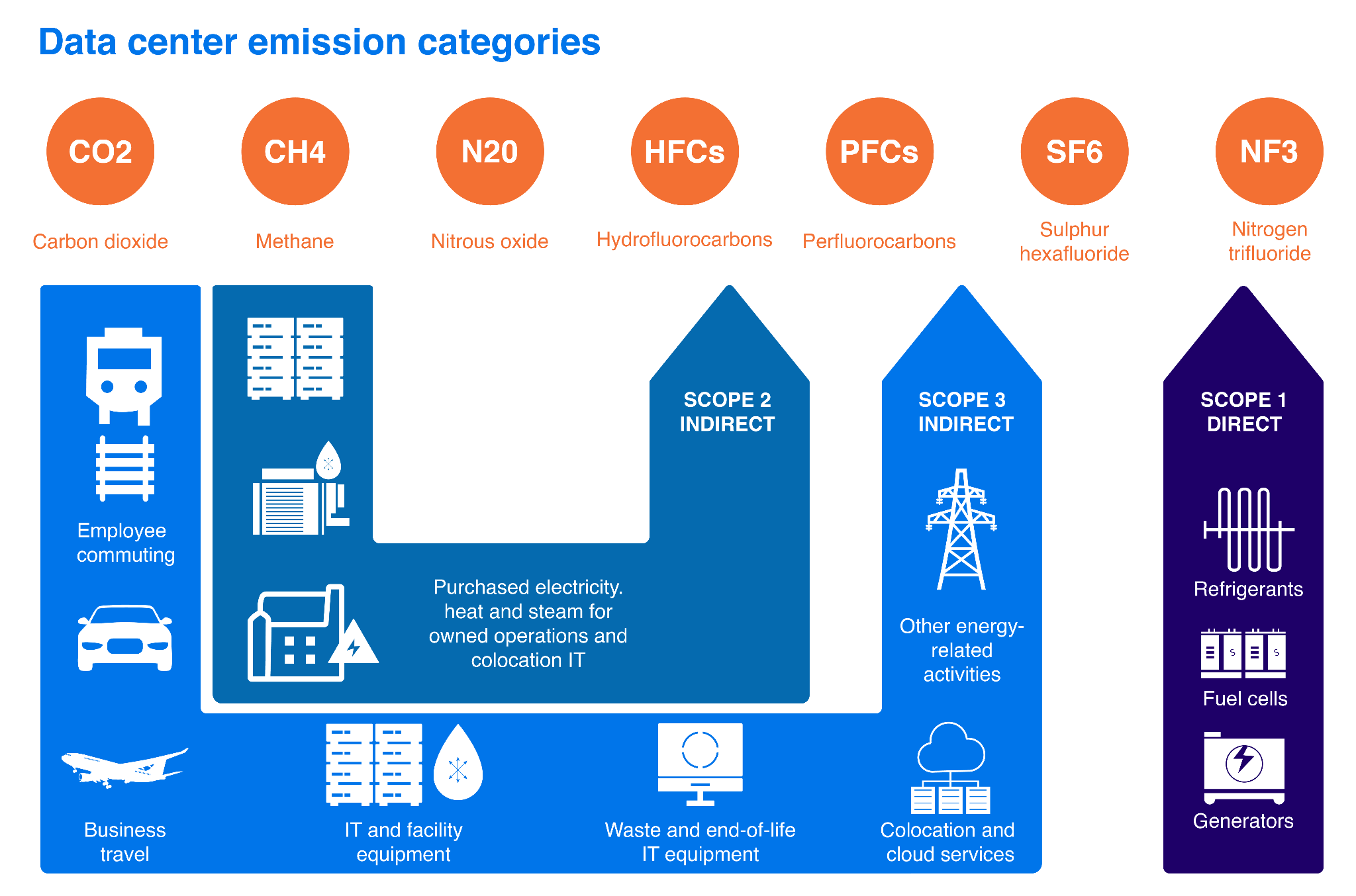
What gets emitted?
- Diesel exhaust from backup generators used during outages or testing.
- Nitrogen oxides from combustion equipment, which can worsen smog.
- Fine particulates from engine use and related fuel burning.
- Indirect emissions from the power plants supplying the grid.
None of that is abstract to nearby communities. It is a permitting issue, a health issue, and often a zoning fight dressed up as a utility forecast.
How air permits shape a data center project
Air permits are the gatekeepers. A developer may need approval for emergency generators, combustion turbines, or other sources that trigger Clean Air Act review. The process can involve state environmental agencies, local air boards, and sometimes federal oversight if the project is large enough or in a sensitive area.
That makes permitting feel a bit like building a bridge under traffic. Every delayed inspection costs money, but every shortcut can create a mess that is hard to undo later. Operators want speed. Regulators want proof that emissions will stay within limits.
- Site review. The project is mapped against pollution rules and local air quality conditions.
- Equipment inventory. Regulators look at generators, boilers, turbines, and other sources.
- Emission estimates. The company models expected output during normal use and outages.
- Public comment. Neighbors, watchdogs, and local officials can push back.
- Permit conditions. Limits, monitoring, and reporting rules get attached to approval.
Some operators try to stay below major-source thresholds. Others seek broader permits early so they can expand later. Both tactics can work. Neither removes the scrutiny.
What developers can do to cut data center pollution
There is no magic fix. But there are hard choices that matter more than marketing slides.
- Use cleaner backup systems. Battery storage and fuel cells can reduce diesel dependence.
- Limit generator testing. Testing schedules should be strict and transparent.
- Site near cleaner grids. A low-carbon grid lowers the indirect emissions profile.
- Plan for load flexibility. Demand response can reduce pressure on the system.
- Publish permit filings. Clear filings build trust and make review faster.
Look, if a company says it cares about sustainability but keeps buying more gas backup capacity, the message is mixed at best. The numbers will tell the story long before the press release does.
What the rule change could mean for communities
For residents near a proposed site, the stakes are not theoretical. More generators can mean more local pollution during testing, outages, and peak demand periods. And if the data center drives new fossil generation on the grid, the impact stretches far beyond the fence line.
That is why permit fights have become a proxy for a much bigger debate. Who gets the benefits of AI infrastructure, and who carries the costs? The answer should not depend on how fast a developer can move through paperwork.
State agencies and local governments will still do much of the day-to-day work. But EPA rule changes can set the floor. If that floor is too low, communities near these campuses will keep getting the same deal. More noise. More load. Same old pollution.
What to watch next on data center pollution
Watch the permitting language, not the slogans. The details matter. Does the rule treat backup generators as minor support gear, or as a meaningful pollution source? Does it force better emissions disclosure? Does it make room for cleaner power and storage, or does it quietly reward the fastest fossil option?
That is where the next phase of the AI buildout will be decided. Not in a keynote. Not in a product demo. In the permit file.
If the next wave of data centers is going to be built at this pace, will regulators demand cleaner infrastructure, or just rubber-stamp the rush?
Either way, the pollution math is not going away.