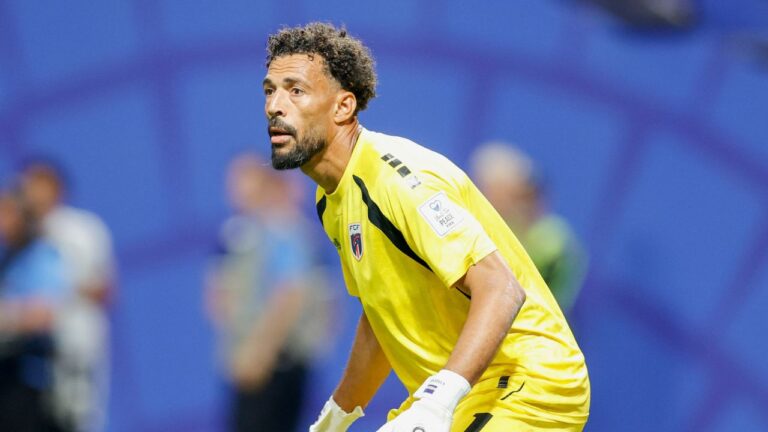
Faith Vozinhas and Cape Verde’s World Cup Run
Cape Verde’s latest football surge has pushed families, fans, and the wider diaspora into the spotlight, and Faith Vozinhas has become part of that larger story. The name matters because it sits at the intersection of sport, identity, and national pride. If you follow football only for scores, you miss the real pulse here. This is about what happens when a country with limited resources keeps punching above its weight, and why that still matters now.
The buzz around Cape Verde is not random. It reflects years of steady investment, player development, and a national team that has learned how to be hard to break. For families tied to the team, the emotional stakes are even higher. Who gets to represent the country, and what does that mean for the people watching from afar?
What stands out about Faith Vozinhas
- Identity matters. Cape Verde’s football rise is tied to its diaspora as much as its homegrown talent.
- Momentum is real. Smaller federations can build competitive teams with planning, not just luck.
- Family voices count. Parents and relatives often carry the emotional weight behind national-team stories.
- Visibility changes the stakes. Once a team gains attention, every selection and every result gets sharper scrutiny.
Why Cape Verde’s mainKeyword moment feels different
Cape Verde has spent years trying to turn promise into results. The team has reached major tournaments before, including the Africa Cup of Nations, and that history gave fans a taste of what was possible. But a World Cup push is a different animal. The margins are tighter, the pressure louder, and the reward much bigger.
That is why stories like Faith Vozinhas resonate. They remind you that football is never just about tactics. It is also about belonging, sacrifice, and the people who keep showing up when the cameras leave.
Small federations do not need miracle stories. They need structure, continuity, and players who buy into the shirt.
How a country like Cape Verde stays competitive
Look, there is no magic formula. But there is a pattern, and it is not complicated.
- Find eligible talent early. Diaspora scouting can expand the pool fast, especially for countries with large overseas communities.
- Build a clear style. Teams that know who they are can survive against deeper squads.
- Keep the group tight. Cohesion matters when you cannot rely on five world-class players to rescue a bad night.
- Use big moments well. Qualifying campaigns can change a federation’s profile, funding, and reach.
That sounds dry on paper. On the pitch, it is the difference between a team that fades and one that keeps showing up in September, October, and beyond. Think of it like building a house in a windy place. If the frame is weak, the whole thing shakes. If the frame is solid, it holds.
Why the family angle lands so hard
Sports coverage often skips the part that matters most to people on the ground. The mother, the uncle, the neighbor who watched every game, the relatives who stayed up late for kickoffs that did not fit local time. Those voices give the story its edge.
Faith Vozinhas’ mother speaking out adds texture that raw results cannot. It shows you the human cost and the human pride behind every national-team headline. And that is the point. Football is a scoreboard, yes. But it is also a family table.
One question keeps hanging over this run: what happens next if Cape Verde keeps climbing?
What to watch as Cape Verde heads back into the spotlight
The next phase is about consistency. One strong window is nice. Repeating it is what changes a program’s status.
Watch three things closely:
- Selection choices. Does the coaching staff keep rewarding chemistry, or chase names?
- Game management. Can Cape Verde control matches when the opponent starts pushing late?
- Public pressure. Once a team becomes a symbol, expectations can turn heavy fast.
That pressure can help or hurt. It depends on whether the federation treats the moment like a one-off or a base to build on. And that is where the real test begins.
What this mainKeyword story says about modern football
Faith Vozinhas is part of a much bigger shift in the sport. National teams are no longer defined only by domestic leagues or population size. Diaspora networks, better scouting, and sharper federation work have changed the math.
Cape Verde knows this better than most. The country does not have the depth of a traditional giant, but it has enough talent, belief, and tactical discipline to stay in the conversation. That should make bigger federations uncomfortable. It should also make fans pay closer attention.
MainKeyword stories matter because they show how football still rewards organization, not just size. If Cape Verde keeps this up, the real question is not whether people notice. It is whether they have been underestimating the model all along.
What happens next for Cape Verde
The smart move now is simple. Keep the core together, protect the identity, and let the results do the talking. Anything else is noise. And if this run turns into something bigger, the sport will have to make room for a new kind of contender.