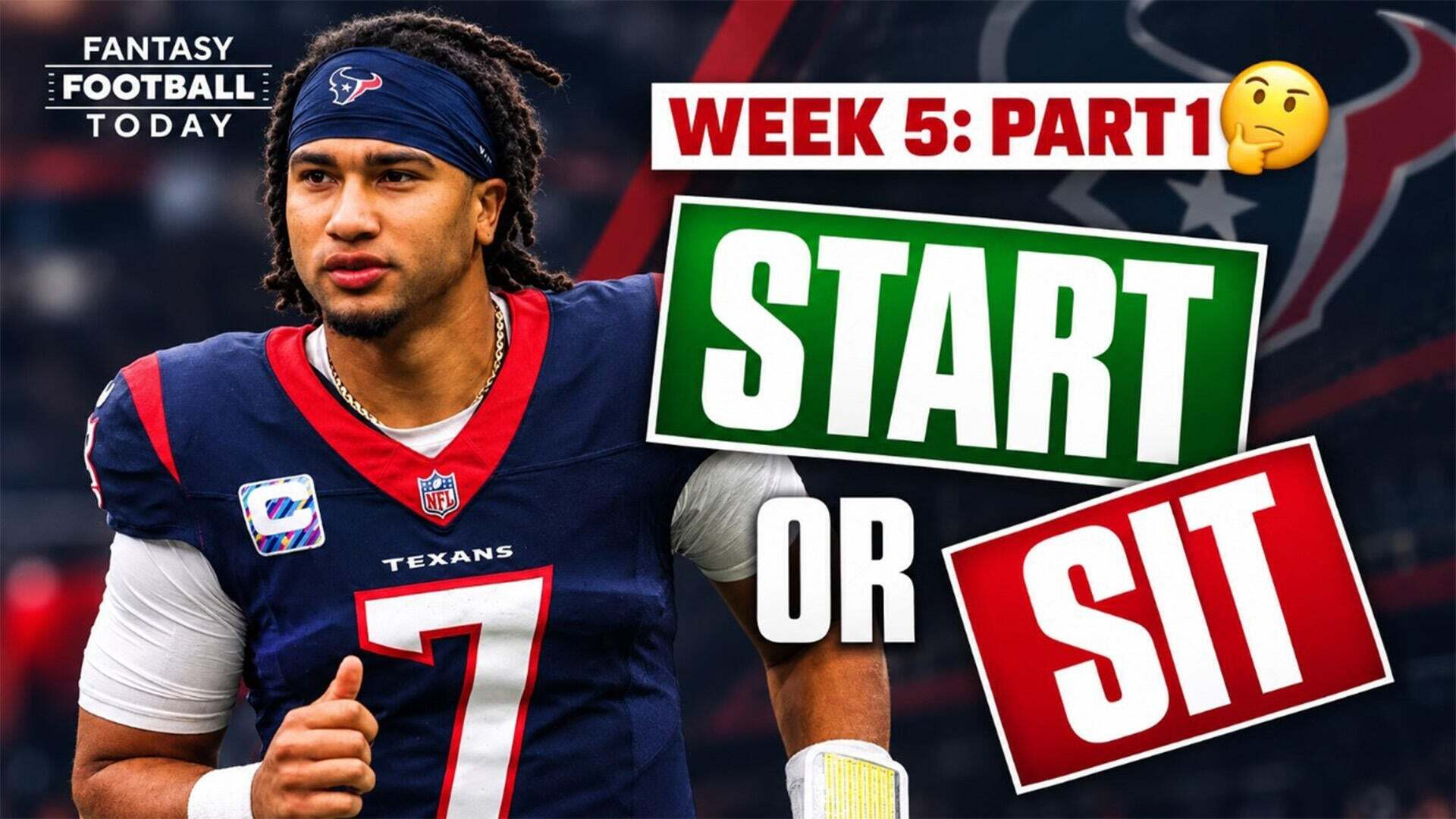
Fantasy Football Week 5 Start Sit Advice
Your lineup gets harder to set in Week 5 because the easy answers start disappearing. Injuries pile up, bye weeks begin to pinch, and early-season breakouts either prove they are real or fade into waiver-wire noise. That is why fantasy football Week 5 start sit advice needs more than a glance at projected points. You need role, matchup, usage, and game script working together.
FantasyPros publishes weekly start-sit and sleeper analysis for this exact reason, and it is useful as a baseline. But you still need to apply it to your roster, scoring format, and risk tolerance. A safe 10 points matters in one matchup. A volatile ceiling play matters in another. So how do you decide without overthinking every slot?
What Matters Most This Week
- Volume beats hope. Targets, carries, snaps, and red-zone work should drive close calls.
- Matchups matter more at the edges. Do not bench a star because of one tough defense.
- Bye weeks change replacement value. A boring flex can be useful when options are thin.
- Quarterback rushing still tilts the board. Even modest rushing production creates a safer floor.
- Weather and injuries need a late check. Sunday morning news can swing tight decisions.
Fantasy Football Week 5 Start Sit Advice: The Simple Framework
Start-sit decisions can feel like guessing, but the best process is repeatable. I have covered fantasy football long enough to know that managers usually lose points by chasing last week instead of reading this week.
Use a three-part filter before you make a lineup move:
- Role: Is the player on the field enough to earn chances?
- Opportunity: Are touches or targets steady, or did last week rely on one broken play?
- Environment: Is the game likely to produce points, pace, and passing volume?
That order matters. A good matchup cannot save a wide receiver who runs 12 routes. A high total cannot help a running back trapped in a three-man committee. Think of it like cooking. A hot pan helps, but bad ingredients still taste bad.
Trust usage before projection. Projections are estimates, while snaps and touches show what a coaching staff is actually doing.
Quarterbacks: Start Upside, Sit Empty Volume
Quarterback is where many managers get too cute. In one-QB leagues, you usually want rushing ability, high pass volume, or a matchup against a defense that gives up chunk plays.
Look for quarterbacks tied to aggressive offenses. If a passer averages 35 attempts and adds 20 rushing yards, that profile can survive a slow start. But a pocket passer with limited mobility needs touchdowns to pay off. That is a thin bet.
Start Profile
- Plays in a game with a high implied total
- Has multiple reliable pass catchers healthy
- Adds rushing yards near the goal line or on scrambles
- Faces a defense struggling with pressure rate or explosive passes
Sit Profile
- Low passing volume in a run-first offense
- Injured offensive line facing a strong pass rush
- No rushing floor
- Dependent on perfect touchdown efficiency
One bad sign? A quarterback posting decent fantasy totals while his offense barely moves the ball. That usually breaks soon.
Running Backs: Week 5 Start Sit Advice for the Messiest Position
Running back decisions get ugly fast once bye weeks arrive. You may have to start a player you dislike. Fine. Just make sure the bet is tied to touches, not vibes.
Prioritize backs with clear early-down work or passing-game usage. In half-PPR and full-PPR formats, a back who catches four passes can outscore a touchdown-dependent grinder, even if the box score looks less impressive.
Volume is the tiebreaker.
Start These Types of Running Backs
- Lead backs getting at least 60% of snaps
- Pass-catching backs in games where their team may trail
- Goal-line backs on favored teams
- Injury replacements with a confirmed workload
Be Careful With These Backs
- Committee backs with no receiving role
- Players coming off spike weeks driven by long touchdowns
- Backs on teams projected to trail by multiple scores
- Rookies still losing pass-protection snaps
Look, talent matters. But fantasy managers do not get points for a coach saying a player “looked good” on 11 touches. You need the workload.
Wide Receivers: Follow Routes, Not Just Targets
Wide receiver analysis starts with routes. Targets are valuable, but routes show whether a player is part of the weekly plan. If a receiver runs a route on nearly every dropback, targets usually follow.
This is where FantasyPros-style start-sit columns help because they often flag matchup data, defensive tendencies, and sleeper usage. Still, do not treat any single ranking as law. Your league settings matter. Full-PPR rewards short-area receivers. Standard scoring favors touchdown and deep-shot profiles.
Start Profile
- Full-time route participation
- Consistent first-read usage
- Slot role against defenses weak inside
- Explosive receiver facing man coverage issues
Sit Profile
- Rotational player with unstable snaps
- Third option in a low-volume passing offense
- Deep threat with a backup quarterback
- Receiver returning from injury with a possible snap count
Ask yourself one blunt question: if this player does not score a touchdown, can he still help you? If the answer is no, he belongs in the risky pile.
Tight Ends: Touchdowns Are Tempting, Routes Are Better
Tight end remains a weekly headache unless you have a top-tier option. The middle class is thin, and most players need a touchdown to matter. That does not mean you should chase any red-zone name with a pulse.
Prefer tight ends who run routes from the slot or out wide. Those players have more ways to earn targets than inline blockers who leak out near the goal line. A tight end with six targets is often a better play than one with two end-zone looks, even if the latter feels more exciting.
A tight end running 80% of routes is a lineup option. A tight end playing 80% of snaps but blocking all day is a trap.
Fantasy Football Week 5 Start Sit Advice for Sleepers and Duds
Sleepers are useful only if the path is real. Do not start a player because his name appeared in a waiver article. Start him because his role has changed, his matchup fits, or his team has a clear need.
Good Sleeper Signals
- An injured starter opens up routes or touches
- Snap share rose for two straight weeks
- Quarterback trust is visible on third down
- Opponent struggles against that player type
Dud Warning Signs
- Player scored last week on limited usage
- Offense has a low implied point total
- Team may rotate more after an injury return
- Defensive matchup attacks the player’s biggest weakness
Honestly, sleeper hunting is where managers talk themselves into trouble. You do not need to be the smartest person in the room every week. Sometimes the correct play is the dull one with seven targets.
How to Handle Flex Spots in Week 5
The flex is where game theory enters. If you are projected to win, lean into floor. If you are a clear underdog, chase ceiling with a receiver or pass-catching back who can beat projections.
Do not lock a Thursday player into your flex. Put him in his actual position. That keeps your roster flexible if late injury news hits on Sunday or Monday. It sounds basic, but this small habit saves lineups every season.
- Need safety? Use a running back with touch volume or a PPR receiver.
- Need upside? Use a receiver in a high-total game.
- Need a Monday pivot? Keep the latest-starting eligible player in your flex.
Week 5 Lineup Checklist
Before lineups lock, run through this quick check. It takes two minutes, and it will catch most avoidable mistakes.
- Check injury reports from team beat writers and official inactive lists.
- Review bye weeks so you do not leave a dead player active.
- Compare player roles from the last two weeks, not only season averages.
- Look at weather for outdoor games with wind or heavy rain.
- Move early-game players out of the flex spot when possible.
- Choose upside or floor based on your matchup, not your mood.
The Smart Play for Week 5
Fantasy football Week 5 start sit advice should sharpen your decisions, not make them more complicated. Start with role, then adjust for matchup, scoring format, and injury news. If a player has steady usage in a functional offense, he usually deserves trust over a trendy name with a shaky workload.
The managers who win this week will not nail every call. Nobody does. They will avoid the obvious traps, protect roster flexibility, and make one or two calculated bets where the ceiling is worth the risk. That is the edge.