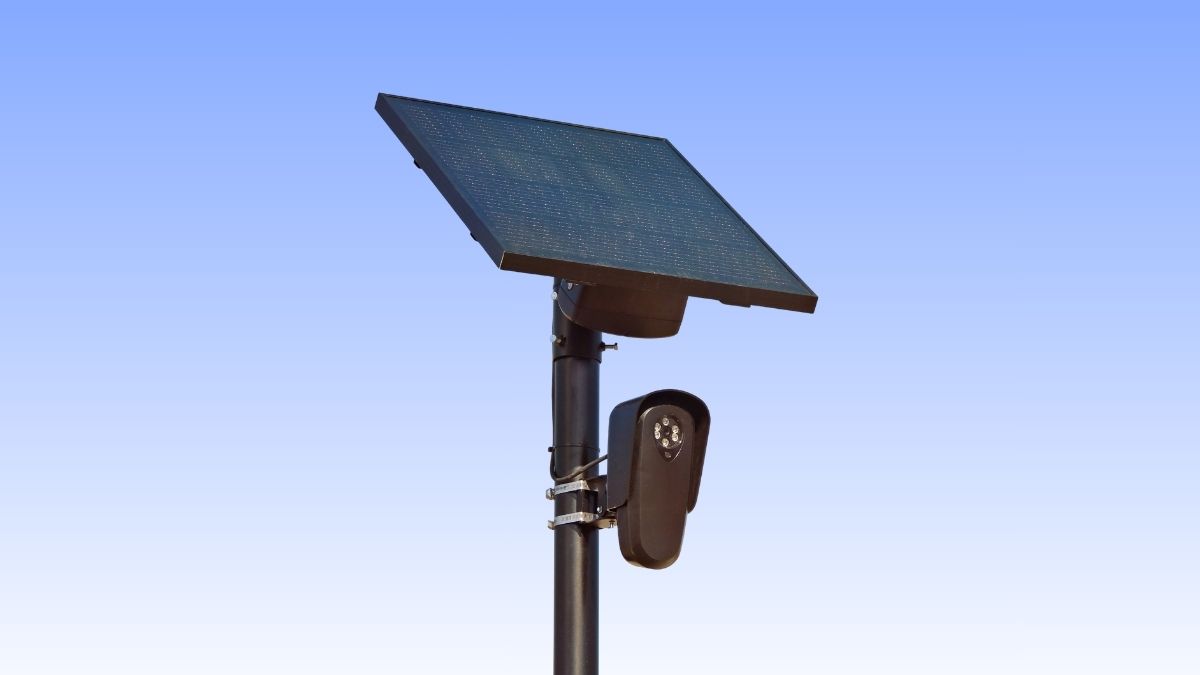
Flock Cameras and ALPRs: Why the Backlash Keeps Growing
People are arguing about Flock cameras and ALPRs because the systems do something simple and unsettling. They record where cars are, when they pass, and often where they have been. That makes them useful for police work, but it also makes them hard to ignore if you care about privacy, oversight, or plain old trust in public tech. The debate is not abstract anymore. Cities are buying these systems, residents are pushing back, and the politics around them are getting sharper by the month. If you are trying to figure out whether the criticism is overblown or overdue, the answer depends on how the cameras are used, who can access the data, and how much control your community actually has.
What people are objecting to
- Mass collection: ALPRs can capture huge volumes of vehicle data with little friction.
- Weak oversight: Access rules are often unclear or inconsistently enforced.
- Mission creep: Tools bought for one purpose can end up used for many.
- Public trust: People get uneasy when surveillance expands faster than the policy around it.
“If you put enough cameras in enough places, you do not just solve crimes. You also change how people move through public space.”
Why Flock cameras and ALPRs trigger such a strong response
The core issue is not that license plate readers work too well. It is that they work quietly, at scale, and often out of sight. A city can add a network of Flock cameras and say the goal is stolen car recovery or homicide support, but residents see a permanent tracking layer built into daily life.
That gap matters. When people do not know what data is collected, how long it is stored, or which agencies can query it, they assume the worst. And frankly, they are not being paranoid. A system that can reconstruct travel patterns is a different class of tool from a single patrol officer spotting a plate by eye.
How Flock cameras and ALPRs fit into police tech
Think of ALPRs like a stadium turnstile that never stops counting who comes in and out, except the count can be searched later. That is useful if you are looking for a suspect vehicle. It is also a problem if the system becomes routine infrastructure with loose limits and vague public reporting.
Police departments like these systems because they promise speed. They can scan plates against hotlists, flag hits in seconds, and share records across agencies. But speed is not a governance plan. If a department cannot answer basic questions about retention, access logs, audit trails, and error handling, then the tech is ahead of the policy.
Three questions cities should answer before buying more cameras
- Who can search the data? Local police, outside agencies, private contractors, or all three?
- How long is the data kept? Days, months, or longer?
- What stops misuse? Audits, warrants, disciplinary action, or nothing formal at all?
Those are boring questions. They are also the real ones.
What the public often misses
Look, the argument is not only about privacy in the abstract. It is also about governance. A city can adopt ALPRs and still keep tight limits, publish reports, and require documented justification for searches. It can also do the opposite and create a system that feels like a black box with badges attached.
The backlash grows when officials sound casual about risks they do not control. Voters notice that. Civil liberties groups notice that. And once a town is seen as handing over public space to a vendor-backed surveillance network, the optics get ugly fast.
Who gets to decide what counts as reasonable monitoring?
What better policy looks like
Cities do not need to ban every camera to act responsibly. They need guardrails that are specific and enforceable. That starts with disclosure. Residents should know where cameras sit, what data they collect, and which agencies can use the records.
It also means setting retention limits that are actually short, not symbolic. If data is kept for months or years, the system becomes a travel archive. If search access is broad, the system becomes a fishing tool. Neither outcome builds confidence.
Some jurisdictions also require public reporting on how often ALPR hits lead to real cases. That kind of metric is useful because it cuts through vendor claims. If a system cannot show value without hiding behind anecdotes, the sales pitch is doing more work than the evidence.
Why the resistance keeps spreading
The pushback is not limited to one city or one vendor. It is a broader reaction to the way surveillance tech enters public life. First the pitch is narrow. Then the network grows. Then people realize they never had a meaningful vote on the tradeoff.
That is why Flock cameras and ALPRs have become a flashpoint. They sit at the intersection of policing, data retention, and civic consent. And once that mix is in place, every promise of efficiency runs into a basic question: efficiency for whom, and at what cost?
Where this goes next
If cities keep buying these systems, they will need to prove more than technical capability. They will need to prove restraint. That means tighter rules, public audits, and a willingness to say no when a vendor promises safety without showing the price.
The real test is simple. Can a city explain its ALPR program in one page, in plain language, without hiding the hard parts? If not, the backlash is probably only getting started.