Google AI Search Mode Adds More Web Links
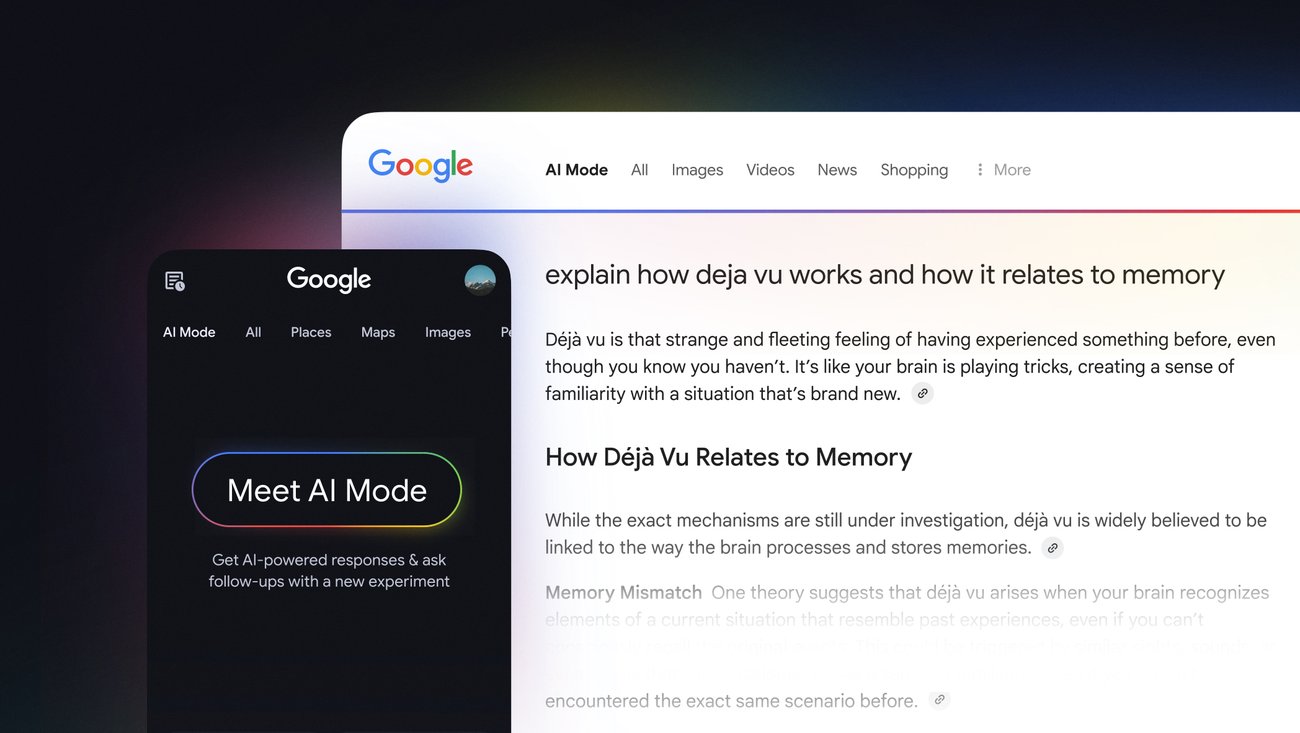
If you rely on Google for traffic, or you simply want answers you can verify, the latest Google AI Search Mode update matters right now. Google says it is adding more visible links inside AI Mode and AI Overviews, including links placed directly in the text and a new right-side panel on desktop. That sounds small. It is not. Search publishers, SEO teams, and regular users have spent months asking the same question: if AI gives the answer, who still gets the click? This update is Google’s clearest signal yet that it knows the citation problem is real. But more links do not automatically mean more traffic. The bigger issue is where those links appear, how often users notice them, and whether AI search still keeps too much value inside Google’s own interface.
What changed in Google AI Search Mode
- Google is placing more links inside AI-generated answers, not only at the end.
- Desktop AI Mode now shows a right-side panel with source links.
- AI Overviews can also surface more inline links to publishers and forums like Reddit.
- The move looks like a response to complaints from publishers who saw referral traffic weaken.
Why Google AI Search Mode is adding more links
Google told The Verge that users in AI Mode have been responding well to links embedded in the response text. It also said people often want to “dig deeper” and verify information through outside websites. That is the public explanation, and it makes sense as far as it goes.
Here’s the thing. Google is also under pressure from publishers, regulators, and its own search users. AI Overviews and AI Mode can answer a lot without sending people away. Great for convenience. Rough for the open web.
Google is trying to make AI answers feel self-contained and source-backed at the same time. That balancing act is now non-negotiable.
For years, Google Search worked like a traffic distributor. You searched, scanned results, then clicked out. AI search changes that deal. The engine now summarizes first and links second. That flips the old order, and website owners have noticed.
How the new Google AI Search Mode layout works
Inline links inside the answer
The most useful change is simple. Links now appear directly in the body of AI-generated responses, where users are already reading. This is better than hiding sources at the bottom because it matches natural behavior. If a claim catches your eye, you can check it on the spot.
Think of it like footnotes moved from the back of the book to the margin. Less elegant, maybe. Much more usable.
Right-side source panel on desktop
Google is also adding a desktop panel that lists relevant links alongside the AI answer. That mirrors patterns users already know from search features like knowledge panels. It gives sources a fixed place on screen, even if the answer itself runs long.
But placement matters. A right-rail panel can help on large screens, yet it may draw fewer clicks than links placed in the sentence where the user’s attention already sits. We have seen this before in search design. Visibility is not the same as intent.
More links to Reddit and forum-style sources
The Verge report notes that Reddit links are among the sources appearing more often. That fits a broader search trend. Google increasingly leans on user-generated discussion when people want lived experience, product feedback, or practical troubleshooting.
Honestly, that makes sense. If you are comparing a laptop battery issue or trying to decode a software bug, a tidy summary is useful, but a messy forum thread can reveal what really happens.
What this means for publishers and SEO teams
Publishers should not mistake this update for a full retreat from answer-first search. Google is adding links, yes. But AI still reduces the number of moments when a user needs to click through for basic facts.
That changes the value of a search visit.
Traffic that does arrive may be more qualified because the user already knows the topic and wants detail, proof, or nuance. On the other hand, top-of-funnel visits could keep slipping if AI handles simple informational queries inside the results page.
If you run content, audience, or SEO, focus on three things:
- Own the deeper layer. Publish material AI cannot compress into one bland paragraph. Original reporting, test data, firsthand reviews, and narrow expertise still travel best.
- Make verification easy. Clear sourcing, named authors, and specific evidence improve your odds of being cited inside AI answers.
- Track visibility beyond clicks. Search Console and analytics still matter, but brand mentions and citation presence now deserve a close look too.
One more point. A link from AI Mode is not the same as a classic blue-link ranking. It may carry authority, but it may not carry the same volume.
Does Google AI Search Mode actually help users?
Yes, in part. More source links make AI answers easier to trust, and trust is the whole ballgame here. If an answer cites recognizable outlets, forums, or official pages, users can judge quality for themselves instead of taking the model’s word for it.
But there is a catch. Most users do not click unless they hit friction, doubt, or strong curiosity. So the practical effect may be limited unless Google keeps making citations prominent and genuinely useful.
And what happens when the AI answer is good enough? That is still the hard question.
Google seems to be building search like an architect redesigning a city square. It still wants people to gather there, spend time there, and only leave when they must. More exits help, but the square remains the main destination.
Why this update fits the bigger search shift
This is not an isolated tweak. It sits inside Google’s larger push into AI-powered search, where AI Overviews, Gemini integration, and conversational query handling all pull search away from the old ten-blue-links model. The company wants search to answer, summarize, compare, and guide in one place.
That strategy is efficient for users. It is also uncomfortable for the web economy that grew around search referrals.
Look, Google is not going back. The smarter read is that it is adjusting the interface to calm criticism while keeping the AI-first direction intact. More citations are a pressure valve. They are not a reset.
What to watch next with Google AI Search Mode
If you care about traffic, product design, or the future of search, watch for a few signals over the next few months:
- Whether publishers report stronger referral traffic from AI Mode and AI Overviews
- How often inline links appear for commercial, news, and health queries
- Whether Google expands source visibility on mobile, where space is tighter
- How Reddit, Quora, and niche forums perform compared with traditional publishers
- Whether regulators treat citation design as part of a fair-search debate
The mobile piece matters most (and Google knows it). Desktop panels are helpful, but mobile is where search habits are shaped at scale.
The next fight is over attention
Google’s update is a real concession to the open web, and users should welcome it. More links inside AI answers beat fewer links. That part is obvious. Still, the deeper fight has not changed. Search is no longer only about ranking pages. It is about winning attention inside an answer box that may satisfy the query before a click ever happens.
If Google keeps moving in this direction, publishers will need to earn the second click, not just the first. And if that becomes the new search economy, who adapts fastest?