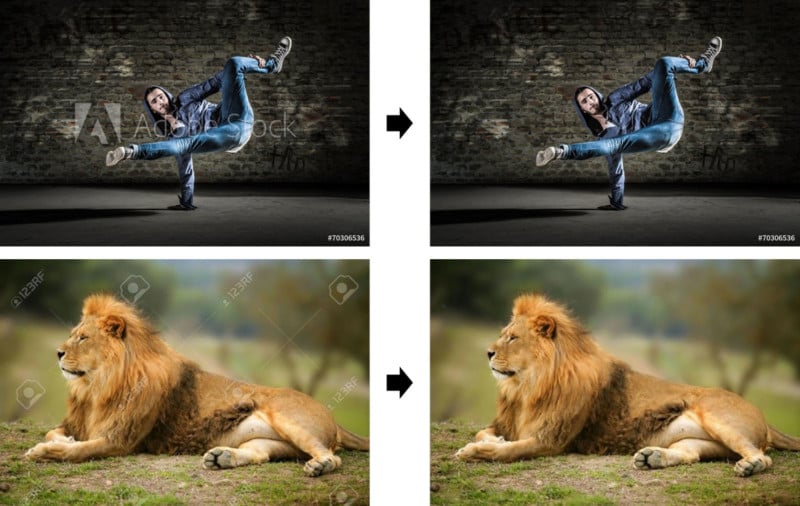
Google AI Watermark Removal: What Changes for Users
You may not think much about a visible watermark until it gets in the way of a clean image, a client mockup, or a social post. That is exactly why Google AI watermark removal matters now. Google is opening a door that looks small on the surface, but it changes how AI-made images move through real workflows.
The practical question is simple. If a tool makes it easier to erase a visible mark, does that help legitimate users, or does it make synthetic media harder to track? The answer is messy. And that mess is the point. Watermarks have always been part signal, part policy, and part inconvenience. Google’s move pushes that tension into the open, right where creators, editors, and platform teams have to deal with it.
Look, this is not a cosmetic tweak. It affects trust, attribution, and the line between editing and hiding provenance. If you work with AI images at all, you need to know what changes now and what still stays on you.
What Google AI watermark removal means
- Visible watermarks can be removed from some AI-generated images inside Google’s workflow.
- The change lowers friction for editing, publishing, and reuse.
- It also weakens one obvious signal that an image came from AI.
- Provenance still matters, but the burden shifts more to metadata and platform rules.
Why Google made this move
Google is responding to a real user complaint. Visible marks can make a generated image harder to use in product mockups, decks, ad concepts, and internal drafts. If you are testing ideas fast, the watermark can feel like a speed bump.
But speed cuts both ways. A cleaner image is easier to share, and easier to misrepresent. That is the tradeoff. Not subtle. Not theoretical.
Watermarks are only one layer of provenance. Remove the visible layer, and you ask more from metadata, policy, and user judgment.
What changes for creators and teams?
If you use AI images for work, Google AI watermark removal gives you less friction in the final mile. That matters for agencies, newsroom graphics desks, e-commerce teams, and founders trying to move from concept to publishable asset.
But your process needs to get tighter, not looser. Ask yourself: if the visible mark is gone, how will your team track what was generated, what was edited, and what was approved?
- Keep source files. Save prompts, exports, and edit history.
- Label internally. Use your own naming system for synthetic assets.
- Check platform rules. Some channels care more about disclosure than others.
- Review before publishing. Watermark removal does not mean provenance removal is acceptable.
Think like a production editor, not a casual user
This is where many teams will stumble. Removing a visible watermark is a bit like repainting a rental kitchen. It can make the place look better fast, but the underlying rules still belong to the owner. If you ignore that, you end up with a mess later.
And the mess can be reputational. A synthetic image that looks native can travel far before anyone checks where it came from.
Does Google AI watermark removal weaken trust?
Yes, it can. A visible watermark is blunt, but it is easy to notice. Once it disappears, the average viewer has fewer clues. That does not mean every image becomes suspicious. It means the casual signal is gone, so detection depends more on context, metadata, and platform enforcement.
That is not a small shift. It moves responsibility from the image itself to the system around it. Some people will call that progress. Others will call it a loophole. Both reactions make sense.
Here is the thing. Visibility and accountability are not the same. A mark on the image helps the viewer. A trail behind the image helps the investigator. You need both if you want sane rules for synthetic media.
What should you do now?
If you work with Google’s AI tools, treat watermark removal as a workflow change, not a convenience feature. Build a simple policy now so you are not improvising later.
- Decide when removal is allowed. Use cases should be specific.
- Define disclosure standards. Marketing, editorial, and internal use may need different labels.
- Preserve provenance data. Do not rely on the visible mark alone.
- Train your team. One careless export can create a trust problem.
Google’s choice will likely push other product teams to rethink their own defaults. That is the real story. Not the watermark itself, but the precedent.
The bigger Google AI watermark removal question
How much friction should an AI tool add to protect transparency? Too much, and people work around it. Too little, and the public gets flooded with synthetic content that looks ordinary by design. There is no clean answer. Just tradeoffs.
My view is blunt. If companies make AI easier to clean up visually, they should make provenance easier to preserve operationally. If they do not, they are asking users to trust a system that keeps hiding the most useful clues.
That is where this goes next. Not to prettier images, but to a harder fight over who gets to decide what counts as disclosed, what counts as edited, and what counts as deceptive.