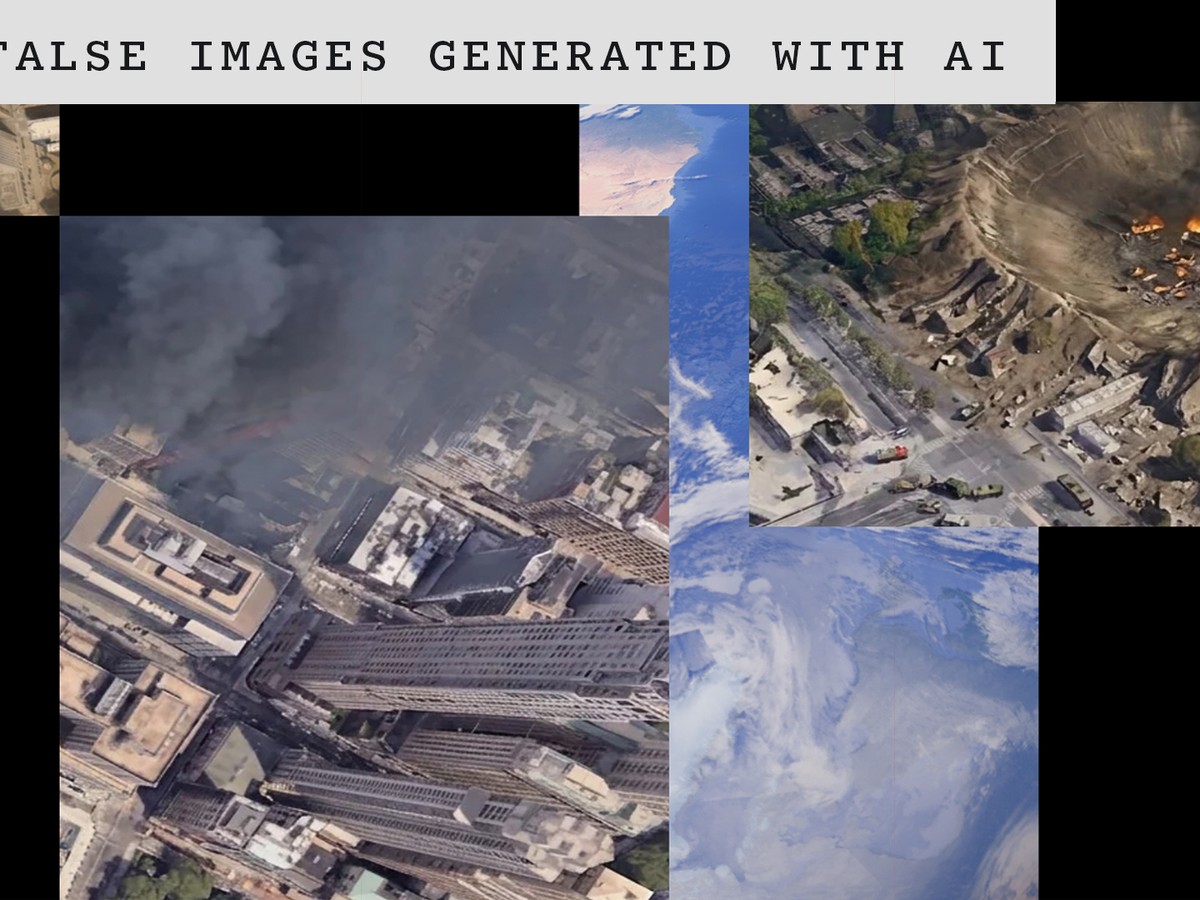
Google Earth AI Feature Pulled After Misinformation Backlash
Google has a familiar problem on its hands. It shipped a new Google Earth AI feature, then pulled it a day later after critics said it could confuse users and spread misinformation. That is not a small stumble. When a product sits on top of maps, satellite images, and environmental data, trust is the product. Lose that, and the whole thing starts to wobble.
The speed of the rollback matters. It shows how fragile AI features can be when they touch public data, policy, or science. If a tool helps people read the planet, it needs to be precise, transparent, and boring in the best way. Otherwise, you end up with a fast interface feeding shaky conclusions. Who wants that?
What stands out about the Google Earth AI feature rollback
- The feature lasted one day. That is a rare public reversal for a company of Google’s size.
- The criticism was about trust. Not speed, not design, but whether the output could mislead users.
- Earth data raises the stakes. Environmental claims can shape public debate, business decisions, and policy.
- AI layers can hide uncertainty. If the system does not show confidence levels or sources, people may overread the result.
Why the Google Earth AI feature drew fire so fast
AI tools often fail in the gap between what they can infer and what users think they are seeing. A polished answer can look authoritative even when the underlying model is guessing. That problem gets nastier when the topic is land use, weather, climate change, or disaster response.
Google Earth is already a powerful visual product. Add AI and you are asking users to trust machine interpretation on top of imagery that may be incomplete, dated, or context heavy. That is like asking a referee to also coach the team. The roles blur.
The real issue is not whether AI can summarize Earth data. It is whether Google can make uncertainty visible enough that users do not treat a prediction like a fact.
What this says about AI products in sensitive domains
Products tied to science, health, finance, or public infrastructure need a different bar. A chatbot that flubs a joke is annoying. A mapping tool that implies the wrong environmental trend can send people in the wrong direction. That difference should shape product design from the start.
Google is not alone here. OpenAI, Microsoft, Meta, and smaller AI vendors have all faced the same basic challenge. The model may be useful, but the interface can make it look firmer than it is. That is the trap.
What teams should do before launch
- Show sources clearly. Users need to see where a claim came from.
- Expose uncertainty. Confidence ranges, date stamps, and data gaps should be obvious.
- Test for misuse. Ask how a wrong answer could influence public understanding.
- Keep human review in the loop. Especially for features that touch policy or science.
That sounds basic. It is. But basic is where a lot of AI products still fail.
Why the Google Earth AI feature matters beyond this one launch
This rollback is a reminder that AI rollout strategy matters as much as model quality. Ship too early and you create backlash. Ship too cautiously and you lose momentum. The sweet spot is harder to find than vendors like to admit.
There is also a branding issue here. Google Earth carries decades of public trust. If Google uses that trust to test experimental AI, users will judge the entire platform, not just one feature. That is the architectural problem, really. You cannot bolt a shaky extension onto a building and expect the foundation to stay quiet.
For product teams, the lesson is blunt: if users can mistake an AI suggestion for verified truth, the feature is not ready.
What happens next for Google and similar AI tools?
Google will likely revisit the feature with tighter controls, clearer labeling, or a narrower use case. That is the sane move. But the bigger question is whether companies will keep treating public backlash as a prelaunch checklist item, or as a warning that should have been obvious from the start.
Look, AI does not get a pass just because it is new. If anything, the standard should be tougher. And in products like Google Earth, the next version needs to prove one thing first. Can it earn trust before it asks for attention?