Google Maps AI Photo Captions: What Matters Now
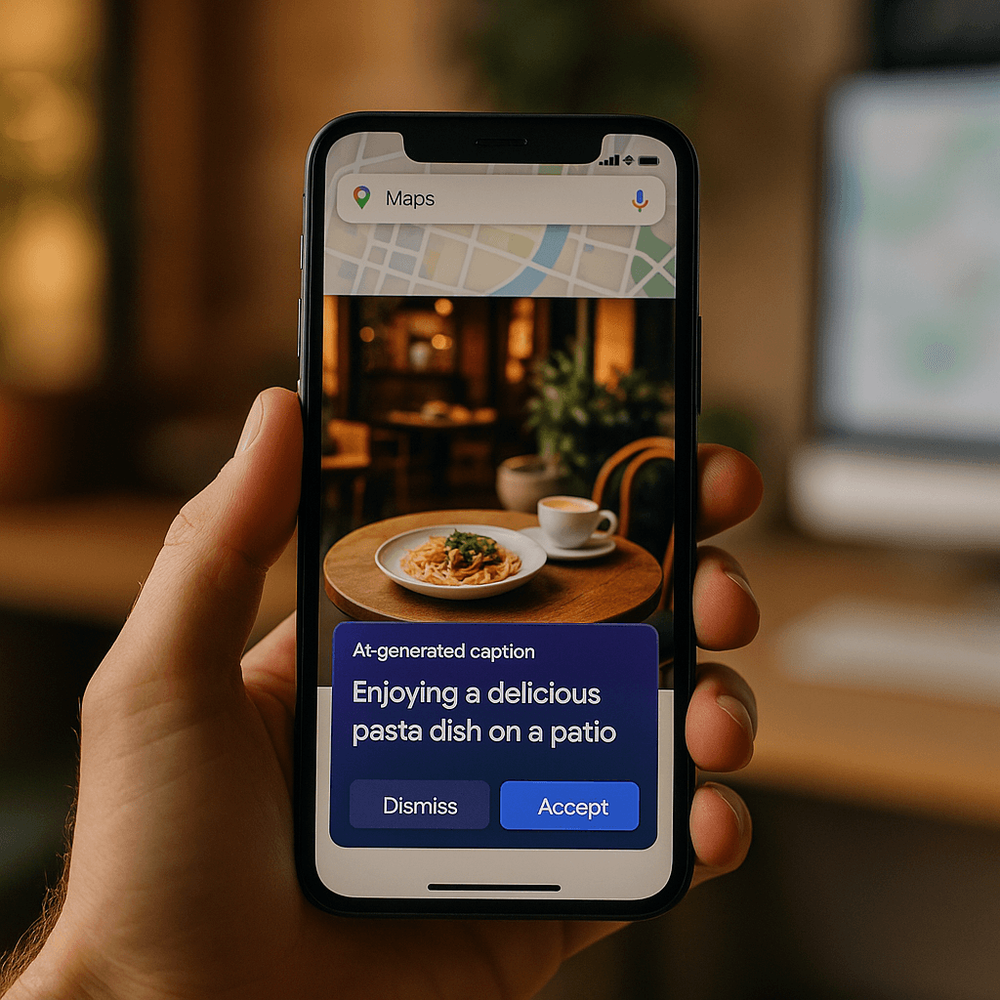
Google just tucked a new trick into Maps: it can write captions for your uploaded photos using its own large models. If you share cafe snaps, storefront shots, or park views, the app now drafts a sentence that ties your image to the place. For anyone keeping Maps fresh, this is a time saver and a consistency boost. For brands, it is a subtle way to make location pages clearer without hiring writers. Privacy and accuracy remain the tension points. How confident are you that an automated line will avoid a sensitive guess? The upside is real, but so is the need to stay alert.
Highlights to Know
- Google Maps AI photo captions aim to speed up local photo sharing.
- Captions are generated from the image, location, and context you provide.
- You can edit or reject suggestions before they publish.
- Privacy settings and location controls still apply to your uploads.
Why Google Maps AI photo captions matter
Maps lives on fresh visuals, and most users never write descriptions. AI captions fill that gap, making neighborhood searches clearer for newcomers and tourists. That clarity can cut the time you spend hunting for accessible entrances or real menu photos. It feels a bit like a baseball infield shift: small adjustments that change how the whole game flows.
Accuracy is the hinge. If the model tags a deli as a bar, your trust erodes fast. Expect Google to tune this feature with feedback loops from edits and flags. Still, you should scan each suggestion before posting.
How to use Google Maps AI photo captions
- Open Maps on Android or iOS and choose a place where you have photos.
- Upload an image. Wait for the suggested caption to appear.
- Edit the line to fix names, prices, or timing (do it every time a proper noun appears).
- Publish. Revisit the listing later to ensure the caption still fits the spot.
Privacy will make or break trust.
Guardrails and what to watch
Do not let automation skip consent. If your photo shows people, ask if they want it up. Strip EXIF data when the location is sensitive. That extra minute keeps surprises away.
For businesses, this feature could guide foot traffic by highlighting curbside pickup or quiet hours. But it also risks exposing outdated decor or staffing. Think of it like opening your kitchen to diners: clean the counters first.
MainKeyword in practice: Google Maps AI photo captions for pros
Local guides can batch-upload images and let AI handle first drafts. You still own the voice. Swap generic terms with specifics that matter to your city. Mention “cash-only,” “bike racks,” or “step-free entry.” That mix of AI speed and human context sets your uploads apart.
“The best AI features make sense only when humans stay in the loop,” a longtime mapper told me.
Misfires will happen. Will Google show you enough control to fix them fast? Look for undo options, clear reporting, and version history. If those tools lag, push back in product forums. Users shaping the road makes the map better (and yes, the pun is intended).
What this signals for AI in local search
This move shows Google’s intent to weave generative text into every surface. The company has already added AI overviews to search and summaries to Gmail. Maps joining the lineup signals a shift: place data will be narrated, not just listed. That may help small shops without marketing budgets, but it also nudges them to stay current or risk AI inventing details.
Think ahead. Train staff to flag wrong captions. Set a weekly sweep to review new uploads. Treat it like sweeping a storefront step: simple, regular maintenance keeps the experience solid.
Where this goes next
Expect Google to tie these captions to discovery features, like “vibe” labels or accessibility filters. If that happens, your edits will influence how others find places. The stakes rise as AI text becomes the first thing people see.
And if you are tired of generic AI blurbs, keep writing crisp, specific lines yourself. The model will learn from your style. More control for you, better results for everyone.
Final take
Google Maps AI photo captions save time, but vigilance keeps them useful. Stay hands-on, trim errors fast, and use the tool to highlight details that matter to real visitors. Ready to see if the machine can match your eye for detail?