Gorsuch Emergency Edicts Warning Hits Colorado
You do not need to be a Supreme Court watcher to care about emergency power. Rules made during a crisis can shape your school, business, church, job, and local government long after the crisis fades. That is why Justice Neil Gorsuch’s criticism of emergency edicts during a Colorado appearance matters now. The question is not whether officials should act in a fire, flood, pandemic, or public safety threat. They should. The harder question is how long one person should be able to govern by order before lawmakers, courts, and voters get a real say.
Gorsuch has been pressing that point for years, especially after the COVID-19 era. His Colorado remarks fit a larger fight over executive power, judicial review, and the limits of crisis governance.
Why This Gorsuch Emergency Edicts Debate Matters
- Emergency orders move faster than normal laws, which can help in a crisis but weaken public accountability.
- Courts often face pressure to defer when officials cite public safety, national security, or health risks.
- Colorado has lived this tension through pandemic orders, local restrictions, and fights over agency authority.
- The legal issue is bigger than one party. Governors and presidents from both parties use emergency power.
What Gorsuch Said About Gorsuch Emergency Edicts
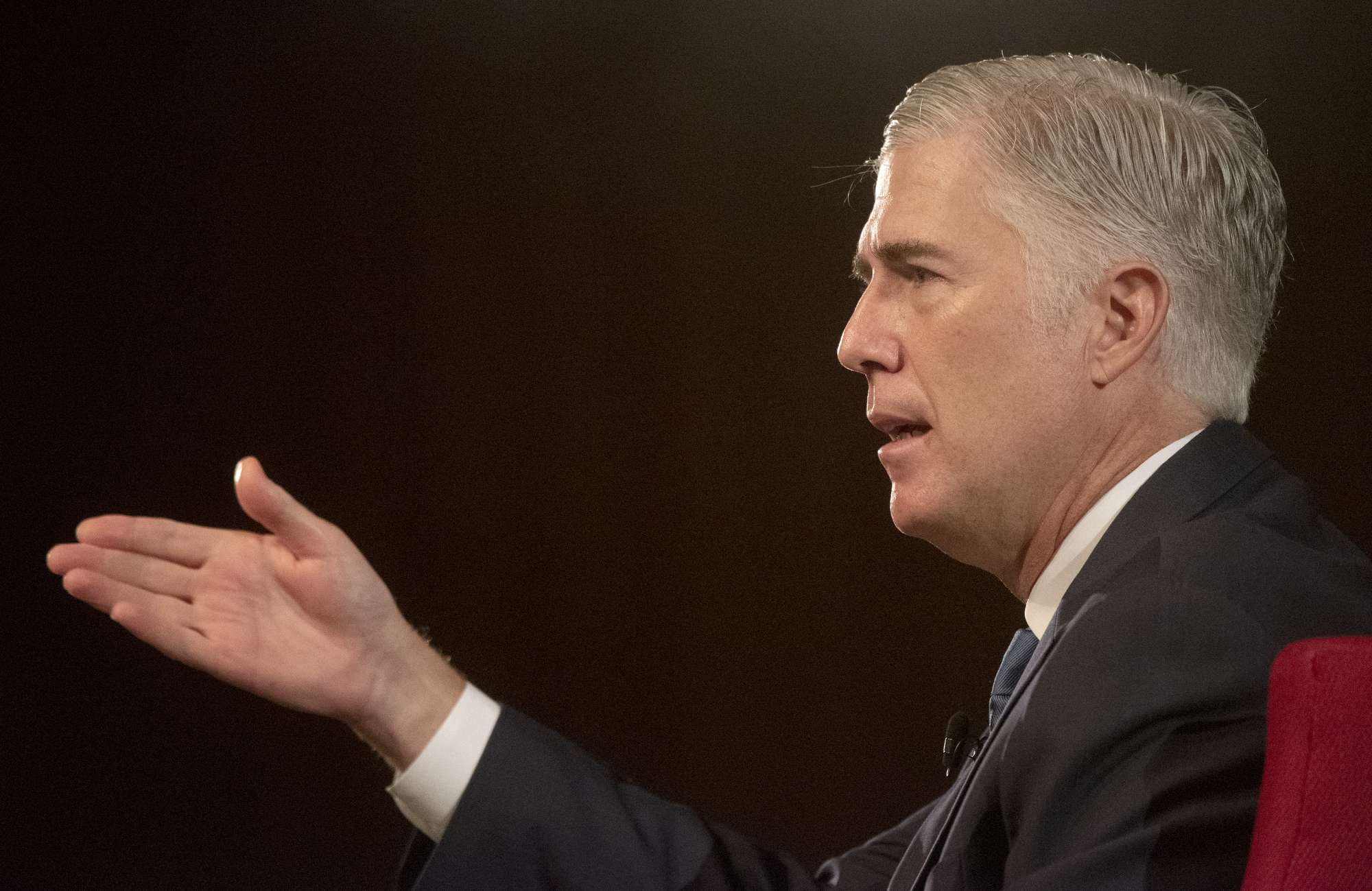
According to Colorado Politics, Justice Neil Gorsuch used his Colorado appearance to criticize what he sees as government by emergency command. His target was not only one policy or one administration. It was a pattern: executives invoking crisis conditions, then using broad orders to make rules that usually belong in the legislative process.
That critique tracks with Gorsuch’s earlier writings. In 2023, he called pandemic-era emergency orders among the greatest intrusions on civil liberties in peacetime American history. Critics saw that language as too sweeping. Supporters saw it as a needed alarm bell.
Emergency power is supposed to be temporary. The constitutional problem starts when temporary authority becomes a habit.
Look, courts should not pretend they can run a health department or manage wildfire response from the bench. But they also should not act like the word “emergency” ends the legal analysis. If the Constitution only works on calm days, what good is it?
The Real Legal Fight Behind Gorsuch Emergency Edicts
The dispute sits at the crossing of three ideas: separation of powers, individual rights, and democratic accountability. Legislatures write laws. Executives carry them out. Courts check both when government crosses legal lines.
Emergency orders blur those lanes.
During a fast-moving crisis, that blur may be defensible for days or weeks. But months later, the case gets weaker. At some point, elected lawmakers should have to debate the rule, amend it, vote on it, and answer for it. That process is slow by design, like building code inspections. Annoying, yes. But you miss them when the roof sags.
Why courts defer during emergencies
Judges often give officials room during emergencies because executives have better access to operational facts. Public health data, police intelligence, military assessments, and disaster logistics can change by the hour.
Still, deference is not surrender. A court can respect expertise while asking basic questions:
- What statute gives the official this power?
- How long does the order last?
- Can the public challenge it?
- Does it treat similar groups differently?
- Has the legislature approved, limited, or rejected the policy?
Those questions are not partisan. They are maintenance work for constitutional government.
Colorado Is a Sharp Place for This Argument
Colorado is not a random backdrop. The state has seen direct clashes over emergency authority, agency rules, religious liberty, business restrictions, and local control. During the pandemic, Gov. Jared Polis issued a long run of executive orders affecting restaurants, schools, hospitals, masks, evictions, and public gatherings.
Some residents viewed those orders as necessary triage. Others saw them as rulemaking without enough legislative oversight. Both reactions can be true at once (that is the uncomfortable part).
Gorsuch, who grew up in Colorado and served on the Denver-based 10th U.S. Circuit Court of Appeals before joining the Supreme Court, knows the state’s legal culture. Western states often carry a strong suspicion of centralized power, especially when rules come from distant offices. That does not settle the constitutional question, but it explains why his message lands cleanly there.
What This Means for Citizens, Lawmakers, and Judges
Here’s the thing: emergency authority is not going away. Climate disasters, migration pressure, cyberattacks, pandemics, and public safety crises will keep giving executives reasons to act quickly. The real choice is whether states and Congress write better guardrails before the next shock hits.
Good emergency laws should include:
- Clear triggers for declaring an emergency.
- Short renewal periods that force public review.
- Legislative approval after a defined window, such as 30 or 60 days.
- Transparent evidence for restrictions that affect rights or livelihoods.
- Fast court access for people who claim an order exceeds legal authority.
Businesses should care because sudden orders can change payroll, occupancy, liability, and supply chains overnight. Local governments should care because state orders can override local judgment. Citizens should care because civil liberties rarely vanish in one dramatic scene. They narrow through small extensions, technical memos, and “temporary” rules that keep getting renewed.
The Political Trap in the Emergency Power Debate
Partisans tend to switch sides depending on who holds the pen. A governor from your party acts boldly. A governor from the other party grabs power. A president you support protects the country. A president you oppose abuses the law.
Honestly, that is lazy constitutional thinking.
If you want strong limits on emergency edicts, those limits must bind your preferred leaders too. And if you want executives to act quickly in real crises, you need statutes that give them enough authority to do so without turning every crisis into a blank check.
Gorsuch’s warning is strongest when read that way. It is not a demand for government paralysis. It is a demand for lawful speed.
What To Watch After Gorsuch’s Colorado Remarks
The Supreme Court has already shown less patience for broad agency power in major policy fights. Cases involving the Centers for Disease Control and Prevention eviction moratorium, OSHA vaccine-or-test rule, and student loan cancellation all reflected skepticism toward sweeping executive action without clear congressional authorization.
That trend may shape the next emergency case. The Court could ask whether an old statute really gives modern officials the power they claim. It could also demand more precision when orders affect speech, worship, property, employment, or bodily autonomy.
But there is a risk. If courts clamp down too rigidly, officials may lack room to respond to genuine danger. If courts defer too much, emergency law becomes normal law with less accountability. Neither option is healthy.
The Next Crisis Will Test the Guardrails
Gorsuch’s Colorado appearance should push lawmakers to do the boring work now: rewrite emergency statutes, set expiration dates, and require votes when orders drag on. That will not produce viral speeches. It may prevent the next legal brawl.
The next emergency will arrive before everyone agrees on the last one. The practical question is simple: do you want the rules written in advance by law, or improvised under pressure by whoever happens to be in charge?


