Human-Written Books Need a Better AI Label
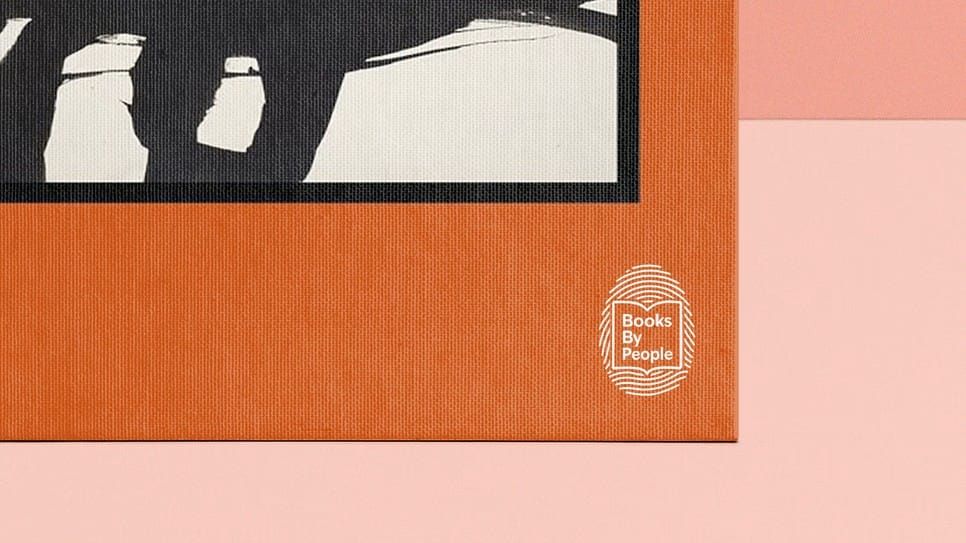
You buy a novel, a memoir, or a reported nonfiction book because you want a human mind on the page. That expectation is getting harder to verify. The debate over human-written books has moved from literary gossip to a real market problem, as generative AI floods online stores with cheap summaries, imitations, and author-name confusion. WIRED recently reported on Books by People, a proposed stamp meant to signal that a book was made by a person rather than generated by AI. The pitch is simple: readers deserve a label they can trust. But labels can also become marketing theater if the rules are weak. I have covered tech platforms long enough to know that trust marks work only when someone checks the work, explains the standard, and punishes misuse. Otherwise, it is a sticker on a moving box.
What Matters Right Now
- Books by People responds to a real reader concern: who, or what, made this book?
- A human-authored stamp could help writers compete against AI slop, especially in online bookstores.
- The hard part is verification, not branding.
- Publishers need clear disclosure rules for drafting, editing, translation, narration, and cover art.
- Readers should look for provenance, not vague promises.
Why Human-Written Books Became a Trust Issue
AI-generated books are not theoretical anymore. Amazon has had to deal with AI-written books that mimic real authors, flood niche categories, or package shallow summaries as original work. The company now asks Kindle Direct Publishing authors to disclose AI-generated content, though it does not ban it outright.
That creates a messy middle. A writer might use AI to brainstorm titles, clean up dictation, translate a chapter, or generate an entire draft. Those are not the same thing. Yet many retail listings give readers no clean way to tell the difference.
The reader is left guessing.
That is where a stamp like Books by People enters the conversation. The appeal is obvious. Food has organic labels. Clothing has fair-trade labels. Journalism has bylines, corrections, and mastheads. Books now need a provenance signal too, especially as AI tools make mass production cheap.
A trust label for books should answer one plain question: did a human author make the creative choices that matter?
What the Books by People Stamp Is Trying to Solve
According to WIRED, Books by People is being framed as a way to mark literature made by humans in an AI-heavy market. That sounds small, but it points at a larger shift. Readers are no longer asking only whether a book is good. They are asking whether the work has a human origin.
That matters for three groups:
- Readers want to avoid low-effort AI books and author impersonation.
- Authors want a way to separate their labor from machine-generated copy sold at scale.
- Publishers and booksellers want a trust system before regulation forces one on them.
Look, a label will not make a bad book good. It will not protect every writer from every scraper. But it can give shoppers a quick signal, the way a nutrition label does not cook dinner for you but still helps you avoid junk.
The Verification Problem for Human-Written Books
The weak point is obvious. How do you prove a book was written by a person?
AI detection software is not enough. Researchers, universities, and newsrooms have all run into the same problem: detectors can misfire, especially on non-native English writing, formal prose, and heavily edited drafts. A false accusation can damage a writer. A false pass can make the label meaningless.
A serious system would need more than a scanner. It would need process evidence. Draft histories. Editorial records. Author attestations. Publisher accountability. Maybe random audits for certified titles.
What a Credible Standard Should Include
- Clear definitions: separate AI-assisted work from AI-generated work.
- Author declarations: require writers to state how AI was used, if at all.
- Publisher review: make imprints responsible for checking claims before printing the mark.
- Public rules: publish the standard so readers know what the stamp means.
- Consequences: remove certification when a claim is false.
Without that backbone, Books by People risks becoming a feel-good badge. And publishing has enough of those already.
Why AI Disclosure Needs More Than One Checkbox
The phrase human-written books sounds clean, but book production is not clean. Editors reshape manuscripts. Translators make creative calls. Ghostwriters exist. Audiobook narrators may now compete with synthetic voices. Cover art may come from a designer, a stock site, or an image model.
So the better system may not be one stamp. It may be a short disclosure panel. Think of it like a recipe card. You do not need every farm location for every carrot, but you do need to know whether the soup came from a kitchen or a powder packet.
A useful disclosure might say:
- Text: written by the named author, no generative AI draft.
- Editing: human editor, AI grammar tools used for copy cleanup.
- Cover: human designer, licensed stock imagery.
- Audiobook: narrated by human voice actor.
Would every reader inspect that panel? No. But the existence of a standard changes behavior. It tells publishers that AI use is not a private production detail anymore. It is part of the product.
How Readers Can Judge Human-Written Books Now
You do not have to wait for a perfect label. If you care about buying books made by people, you can check a few signals today.
- Read the author page. Real authors usually have interviews, event listings, prior work, or a visible professional trail.
- Check the publisher. Established presses are not perfect, but they have editorial staff and reputational risk.
- Watch for suspicious speed. A new author releasing dozens of full-length books in months deserves scrutiny.
- Sample the prose. Generic phrasing, repeated structure, and shallow summaries are warning signs.
- Look for disclosure. Honest AI use should be stated plainly, not buried in mushy language.
Honestly, readers are better at spotting low-effort books than many platform tools. The problem is scale. No shopper should have to become a forensic analyst just to buy a paperback.
What Publishers Should Do Before Regulation Arrives
Publishers should not wait for lawmakers to define every edge case. The European Union AI Act and U.S. policy debates already point toward more transparency around synthetic media. Books may not be the first target, but they will not stay invisible.
Smart publishers can move first with plain disclosure rules. They should tell authors what uses are allowed, what must be reported, and what will disqualify a book from a human-authored label. They should also train editors to ask better questions during acquisition.
Here is the test I would use: if the reader knew exactly how AI was used, would the marketing still feel honest?
If the answer is no, change the marketing.
The Label Is Only as Good as the Trust Behind It
Books by People gets the central issue right. Readers want to know whether a book carries human judgment, lived experience, and accountable authorship. That demand is not anti-technology. It is pro-disclosure.
The publishing industry now has a narrow window to build a label with teeth. If it settles for a cute stamp and soft promises, platforms will keep filling with synthetic clutter, and readers will grow more cynical. The practical next step is simple: define the standard in public, audit it, and make misuse costly. Anything less is packaging.


