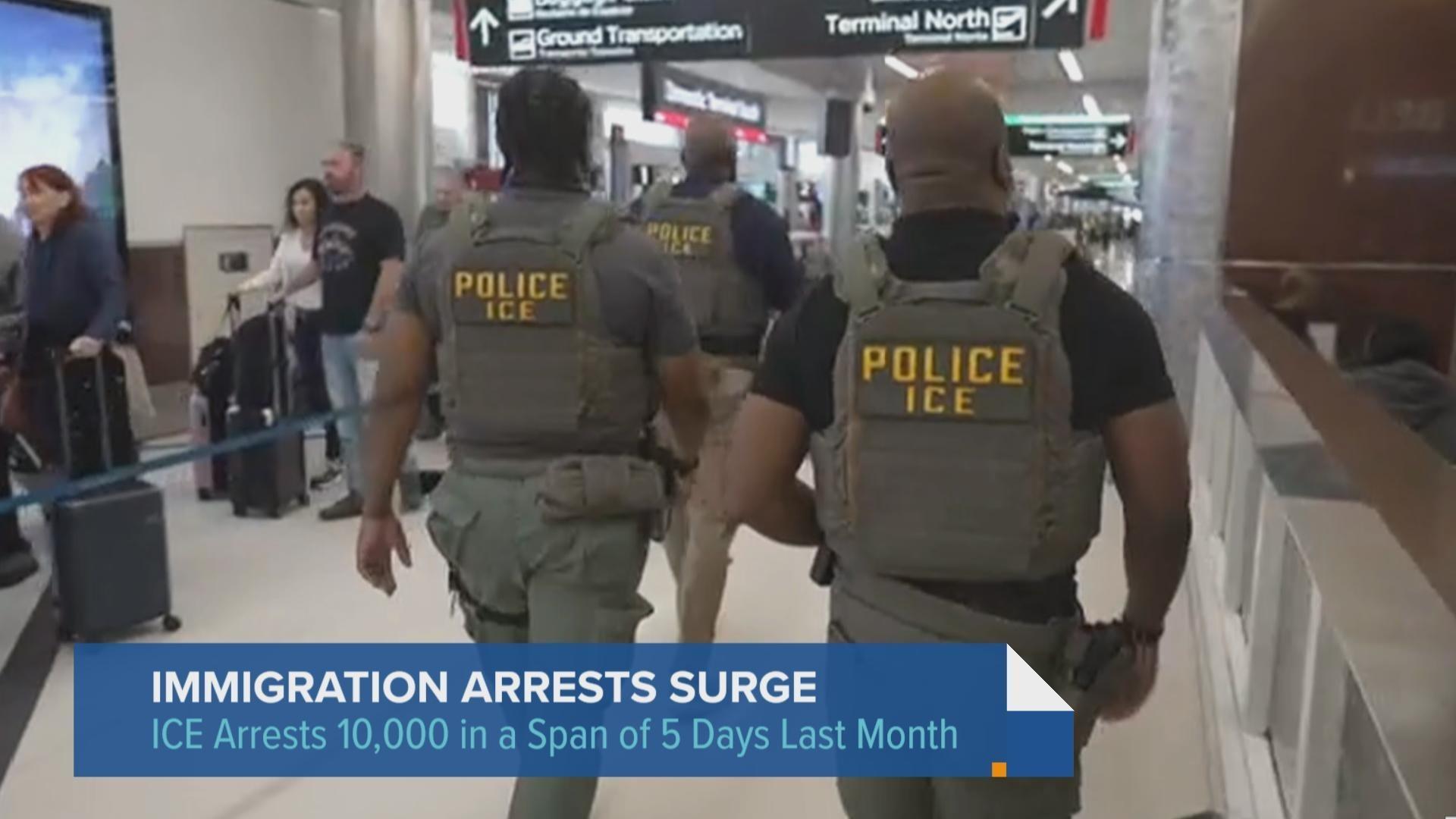
ICE Arrests in Virginia Beach Yards
People do not expect an ICE arrest to happen on their own lawn. But that is what some Virginia Beach residents say they saw, and it changes how you think about immigration enforcement fast. If officers can show up in a neighborhood and make arrests in view of neighbors, then the line between public safety and private space feels thinner than most people want to admit. The mainKeyword here is ICE arrests, and the story around it is not only about one operation. It is about fear, confusion, and how local communities react when federal agents come into a residential area without much warning.
That matters now because these encounters leave families guessing about what they can do, what they can ask, and what rights they still have. And when the scene happens in a yard, in daylight, with neighbors watching, the emotional impact is immediate. Who feels safe after that?
What stands out about these ICE arrests
- Residents say the arrests happened on private property, not at a checkpoint or office.
- Neighbors reported being startled and unsure what authority the agents were using.
- The arrests created a visible ripple effect in the neighborhood, especially for immigrant families.
- These incidents raise practical questions about due process, warrants, and local response.
Why ICE arrests in neighborhoods hit so hard
Federal immigration enforcement has always carried a heavy psychological cost, but residential arrests add a different layer. A street can be quiet for years, then one morning it turns into a scene of flashing lights, shouted commands, and families peering through windows. It is like a fire drill nobody practiced for. People freeze, call relatives, and try to figure out whether they should open the door or stay silent.
That uncertainty is the point of pressure. ICE arrests do not just affect the person taken into custody. They affect children, roommates, employers, and neighbors who now wonder if the next knock is for them.
“When enforcement shows up in a neighborhood, the story spreads long after the agents leave.”
What rights matter during ICE arrests
If you live in an area where ICE arrests are a concern, the basics matter more than slogans. Ask for identification. Ask whether agents have a judicial warrant. A warrant signed by an immigration officer is not the same thing as one signed by a judge.
- Stay calm and do not run toward agents.
- Ask if they have a warrant and look at it if they show one.
- Do not open the door unless they have a warrant signed by a judge or you choose to speak with them.
- Write down names, badge numbers, and time if you can do so safely.
- Contact a lawyer or trusted legal aid group as soon as possible.
That is the practical core. The details matter because rights live in the paperwork, not in the rumors neighbors trade after the fact.
ICE arrests and the local trust problem
Neighborhood enforcement creates a trust problem for local institutions. Schools, churches, landlords, and community groups all get pulled into the fallout, even if they had nothing to do with the operation. When people believe any public interaction could expose them, they stop reporting crimes, stop asking questions, and stop showing up.
That is not a small side effect. It changes how a city functions. And it leaves local leaders with a hard question: how do you keep residents informed without turning every street into a panic zone?
What Virginia Beach residents should watch next
Pay attention to three things. First, whether local officials release clearer guidance about federal enforcement activity. Second, whether community groups organize know-your-rights sessions in Spanish and English. Third, whether residents report a pattern or just an isolated event.
Think of it like watching a storm line on radar. One dark cloud can pass. A band of repeated activity means you need a real plan.
For now, the Virginia Beach story is a reminder that ICE arrests are never abstract for the people who see them up close. The next step is not more noise. It is clearer local information, better legal access, and residents who know exactly what to do if agents show up again.
What happens if this becomes routine?
If arrests in yards start to feel normal, then the bigger question is not about one operation. It is about how much enforcement a neighborhood can absorb before fear becomes the default setting. That is the part officials should be answering now, before residents have to guess again.