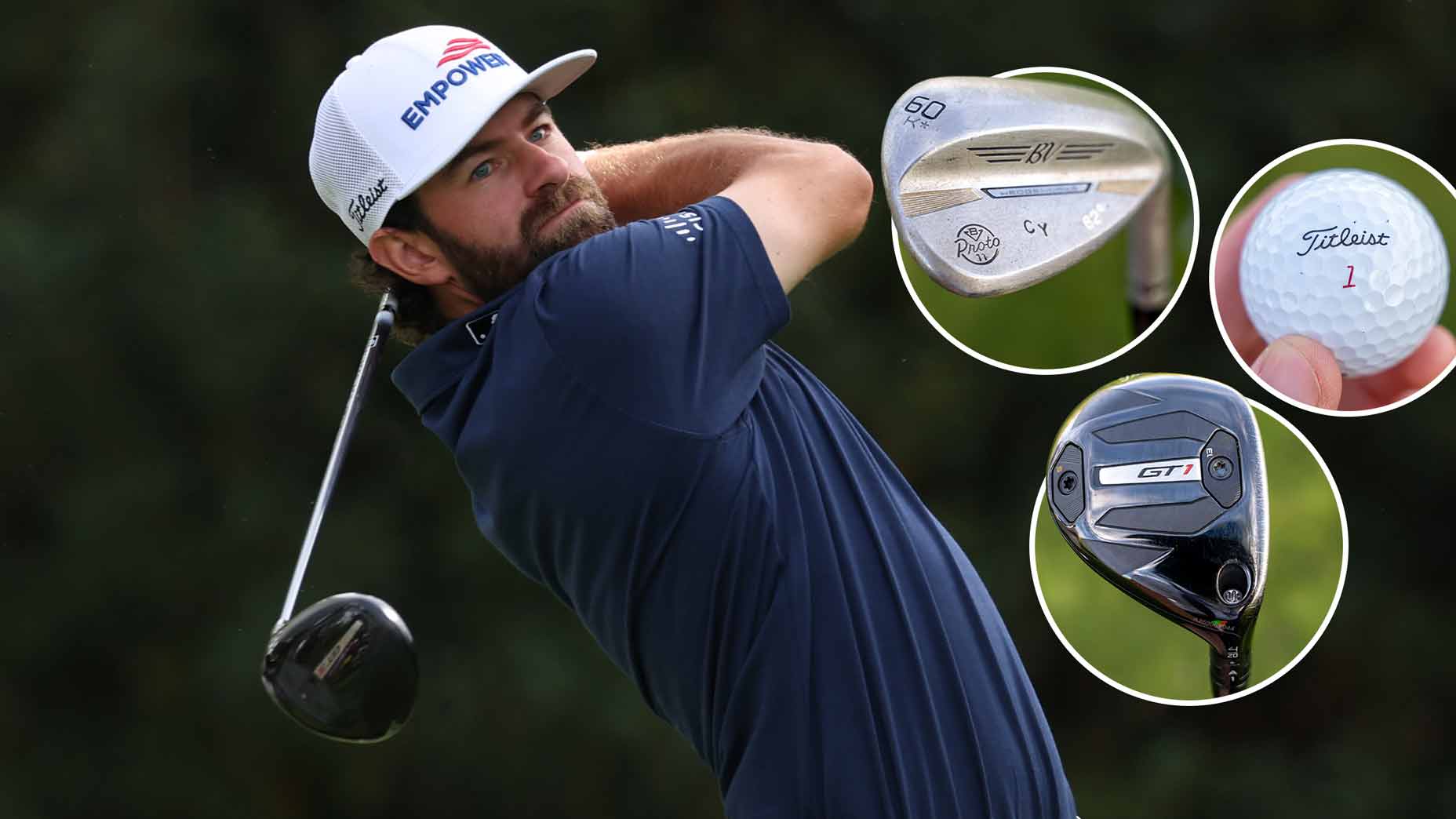
Inside Cameron Young Masters Golf Bag: Practical Guide to His Setup
Fans keep asking how to translate Cameron Young Masters golf bag choices into something they can play right now, and that urgency only grows with Augusta on the calendar. You want distance without losing control, predictable wedge gaps, and a putter you can trust when the greens run like glass. Cameron Young Masters golf bag decisions show a blueprint for handling that pressure: a low-spin driver, reliable fairway wood, workable irons, and a simple wedge ladder. I have covered tour gear for years, and I see patterns that weekend players can borrow today. The key is understanding why each club earns its spot and how you can mirror the intent even if you do not bag the same brand.
Why This Setup Matters Now
- Low-spin driver head and mid-launch shaft tame tee shots under Augusta-like pressure.
- Fairway wood doubles as a scoring club on long par 5s.
- Blade-style irons blend distance control with shot shaping.
- Wedge gaps stay tight to handle firm greenside lies.
- Putter fit focuses on speed control more than wild alignment tech.
Cameron Young Masters Golf Bag Blueprint
Think of this bag like a chef’s lineup of knives: each has a job, nothing ornamental. He leans on a low-spin 9- or 10.5-degree driver paired with a mid-launch shaft to keep tee balls piercing. Fairway wood loft sits around 15 to 16 degrees, often set neutral so he can hit both draws and fades without tinkering.
Control beats brute force when the course punishes misses more than it rewards hero shots.
His iron setup usually starts at a strong-lofted 3- or 4-iron driving utility, then flows into cavity-back or compact players’ irons through the pitching wedge. That transition preserves launch while keeping spin predictable. Notice the restraint: no gap wedges with random lofts, just a clean progression.
Adapting His Driver and Wood Choices
Can you copy his driver without buying tour-only heads? Yes. Look for a low-spin model you can loft up slightly to hit center-face more often. Pair it with a mid-weight, mid-launch shaft that suits your tempo. For the fairway wood, prioritize turf interaction. A shallow face and neutral face angle give you options off the deck. And keep the grip weight consistent with your driver to maintain feel.
Building Iron Consistency With Cameron Young Masters Golf Bag Logic
This part is simple: choose irons with consistent spin windows. Blend a utility long iron with players’ distance mid-irons if you need launch help, then move to a traditional pitching wedge. Keep lie angles checked twice a year; small tweaks matter when you are aiming at tucked pins. One sentence paragraphs make the point.
Sample Iron and Wedge Flow
- Driving utility at 19 to 21 degrees for tee shots on tight lines.
- 4-iron to 9-iron in a single model for matching offsets and sole widths.
- Pitching wedge at 46 degrees, gap wedge at 50, sand at 54, and lob at 58.
The analogy holds: like a baseball rotation, each loft covers a different inning so you never overwork one club.
Short Game: Wedge Gapping and Bounce
Young’s pattern favors four-degree gaps. Keep bounces varied: mid bounce on the gap wedge for full swings, higher bounce on the sand wedge for bunker work, and versatile sole grinds on the lob. Test on firm lies to see if leading edges sit tight. A question hangs over every bag setup: do you need more loft, or just better contact?
Putter Fit and Feel
He often rotates mallets and blades, but the through-line is speed control. You can mirror that by picking a head shape you aim easily and pairing it with a grip that quiets your wrists. Try a simple alignment aid instead of flashy sight lines. Roll ten-footers on fast practice greens; if you cannot hold pace, shorten the backstroke rather than swapping heads.
On-Course Strategy With This Setup
Gear only works when paired with choices. Use the fairway wood as a positional club on short fours. Flight the 9-iron down by gripping an inch low. Lay up to wedge numbers you trust instead of chasing every par 5. This bag supports patient golf, not fireworks.
What to Buy If You Are Upgrading
- Pick a low-spin driver head you can loft up and test with mid-launch shafts.
- Choose a fairway wood with adjustable hosel and a shallow face.
- Blend irons only if the transition feels seamless at address.
- Lock in four-degree wedge gaps and test bounces on your home turf.
- Fit a putter for speed, not for the flashiest alignment.
Budget tip: spend on the driver fitting and wedges first, then irons, then putter. Grips are cheap performance gains, so replace them twice a year.
Where This Leaves You
I expect more players to copy this balanced setup as courses firm up. Try his logic the next time you regrip or re-fit, and watch how stable your yardages become.