iOS 27 AI Models: What Apple’s New Choice Strategy Means
If you are trying to figure out where Apple fits in the AI race, the latest report on iOS 27 AI models gives you a sharper answer than most product teasers do. Apple reportedly plans to turn iOS 27 into a system where users can choose among different AI models, rather than rely on one default assistant or one model family. That matters now because phone AI is moving from a gimmick to an operating system layer. The company that controls that layer controls a lot of user behavior, developer access, and data flow. Apple has been cautious, sometimes painfully so. But this move, if it lands as reported, could be one of its smartest AI decisions in years. Why? Because it plays to Apple’s real strength, which is distribution, trust, and system design, not raw model swagger.
What stands out
- Apple may let users choose between multiple AI models in iOS 27 instead of pushing one system on everyone.
- This could reshape Siri, app integrations, and the balance between on-device AI and cloud AI.
- Apple’s edge is not model leadership. It is control over the device, privacy framing, and product defaults.
- Developers may get new ways to route tasks to different models based on speed, cost, or accuracy.
Why Apple’s iOS 27 AI models plan matters
Look, Apple does not need to beat OpenAI, Google, Anthropic, or Meta in raw benchmark theater. It needs to make AI usable on hundreds of millions of devices without wrecking privacy expectations or the user experience. Those are different goals.
A multi-model setup would give Apple breathing room. If one model handles writing well, another handles coding, and another works better for on-device summarization, Apple can treat AI more like a service layer than a single personality. Think of it like a kitchen line in a busy restaurant. You do not ask one cook to do every station at once if speed and quality both matter.
That is the real opening here.
And it would be a very Apple move, even if it sounds less flashy than building the “best” model in-house.
How iOS 27 AI models could work in practice
The TechCrunch report points to a choose-your-own-adventure approach. That phrase matters because it suggests user or developer choice, not just invisible back-end switching. Apple could take this in a few directions.
User-facing model selection
Apple could let you choose a preferred AI model for certain tasks. For example, one model for writing help, another for search-like answers, and a private on-device model for personal data requests. This would fit Apple’s long habit of hiding complexity until it thinks users can handle it.
Would Apple really expose that much choice to ordinary users? Maybe not at first. Honestly, the cleaner version is a simple set of modes such as faster, more private, or more capable.
Task-based routing behind the scenes
The more likely route is system-level orchestration. Your iPhone could decide which model handles a request based on what you ask, whether the task needs cloud access, and how sensitive the data is. Apple has already pushed the idea that some AI tasks belong on device and others can leave the device under tighter controls.
This matters for battery life, latency, and trust. A short rewrite request is one thing. A request that touches your calendar, health data, or private files is another.
Developer controls inside apps
If Apple opens this to developers, things get more interesting. Apps might be able to call different model classes through Apple’s frameworks, with rules around privacy, pricing, and performance. That would make iOS 27 AI models less of a Siri story and more of a platform story.
Apple does not need to win the model war outright. It needs to become the traffic controller.
What this means for Siri and Apple Intelligence
Siri has been the weak link in Apple’s AI pitch for years. That is not a controversial take. It has often felt like a thin command layer attached to a much larger promise.
A multi-model approach could finally give Siri a better job description. Instead of pretending to be one all-purpose intelligence, Siri could become the interface that routes requests to the best available engine. Users do not care which model writes a cleaner email draft if the result is quick, accurate, and easy to trust.
But there is a catch. The more models Apple includes, the harder it becomes to keep the experience consistent. Different models answer differently. They fail differently too. Apple is obsessed with polish, so this is where the company will either prove it has a real AI product sense or show that the seams are too obvious.
Apple’s advantage is not what the hype crowd says
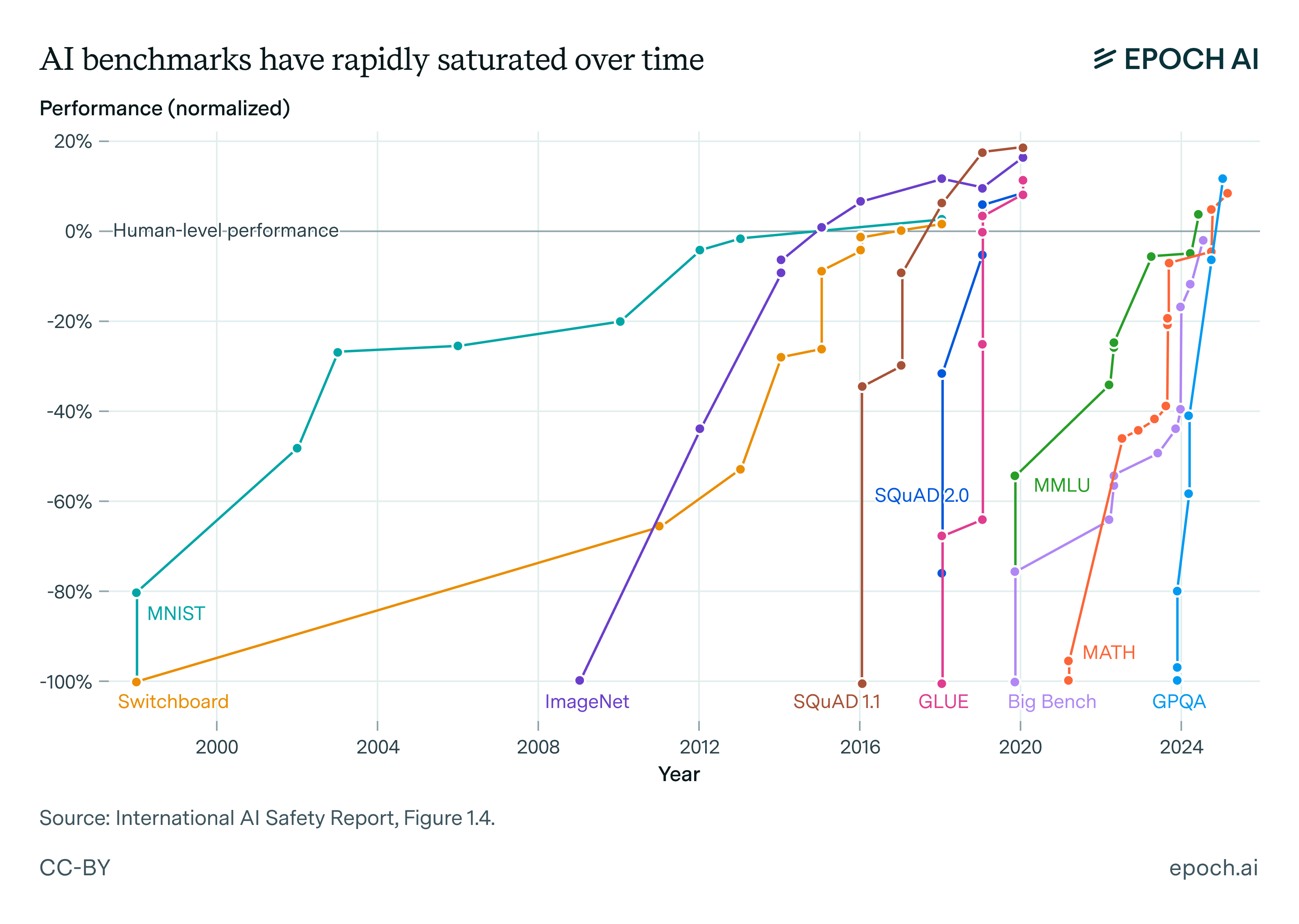
The loudest AI conversation still revolves around model rankings, giant funding rounds, and benchmark screenshots. That misses the point on phones. On a mobile platform, the stack that matters includes chips, battery limits, privacy controls, app permissions, latency, and interface design.
Apple owns more of that stack than almost anyone.
That gives the company a solid shot at making AI feel dependable instead of chaotic. And dependable beats dazzling more often than AI boosters admit. Ask any enterprise buyer. Ask any parent handing a phone to a teenager.
Risks in the iOS 27 AI models approach
This strategy is smart, but it is not safe. A few problems stand out fast.
- User confusion. Too much visible choice can backfire if people do not understand why one model is better for one task than another.
- Brand dilution. If Apple leans on outside models, it risks looking like an expensive middleman instead of an AI leader.
- Inconsistent answers. Different models can produce clashing outputs, which makes trust harder to build.
- Developer complexity. More options can help advanced apps, but they can also add testing headaches and support costs.
- Regulatory pressure. AI routing, data use, and default settings are exactly the kind of details that regulators may inspect.
But here’s the thing. The alternative is worse. Forcing one mediocre model across every use case would be like building a Swiss Army knife and insisting it should replace a full toolbox.
What developers and users should watch next
If this report is accurate, the next signals will matter more than the headline. Watch for where Apple places control. Does it sit with the user, the developer, or the system? That choice will tell you whether Apple sees AI as a feature, a marketplace, or core infrastructure.
Also watch for these details:
- Whether Apple prioritizes on-device small language models for private tasks
- Which outside model providers, if any, get first-class access
- How Apple explains data handling and request routing
- Whether Siri becomes a clearer front end for multiple model types
- How pricing works for premium AI features, if Apple adds tiers
The most revealing part may be what Apple does not say. If it avoids naming the model that handles each task, that likely means the company wants AI choice without turning the interface into a settings maze.
Where this leaves the AI market
If Apple moves ahead with iOS 27 AI models, the wider market may need to adjust. Model companies want distribution. Apple has distribution at a scale that can change fortunes overnight. That shifts leverage.
For OpenAI, Google, Anthropic, and others, an Apple partnership can bring reach but also dependence. For Samsung, Google, and other platform players, Apple’s approach could normalize model optionality across devices. And for users, it could lower brand loyalty to any single model provider. People may start caring less about which lab built the model and more about whether their phone handles the task well.
That would be a seismic change in how AI gets packaged and sold.
The next real test
Apple has a chance to make AI on phones feel less like a demo and more like infrastructure. That is a harder job than chasing headlines, but it is the one that lasts. If iOS 27 turns AI model choice into something useful, private, and mostly invisible, Apple could reset the terms of the mobile AI fight.
If not, it will just add one more menu to a phone already full of them. So the real question is simple. Can Apple make AI choice feel effortless, or will it expose just how messy this market still is?