iOS 27 Siri Redesign Looks Bold, but Apple Still Owes You Better Answers
If you have spent years tapping past Siri because it feels slow, limited, or oddly clueless, the latest iOS 27 Siri redesign rumor will grab your attention fast. Bloomberg reporting, echoed by coverage from The Verge, points to a more expressive Siri interface with new visual renders tied to Apple’s next software direction. That matters because Apple is under pressure. Google, OpenAI, and Microsoft keep moving assistant features forward, while Siri still struggles with basic trust and follow-through. A prettier assistant can help, sure. But if the iOS 27 Siri redesign is mostly a cosmetic reset, Apple risks missing the real problem. You do not need better glowing edges. You need an assistant that can understand context, act reliably, and save you time.
What stands out
- The iOS 27 Siri redesign appears focused on a more visual, modern interface.
- Bloomberg’s reporting suggests Apple is rethinking how Siri shows up across the iPhone experience.
- Design alone will not fix Siri’s weak spot, which is inconsistent usefulness.
- Apple’s real test is whether the new Siri can complete tasks with context and accuracy.
What the iOS 27 Siri redesign reportedly changes
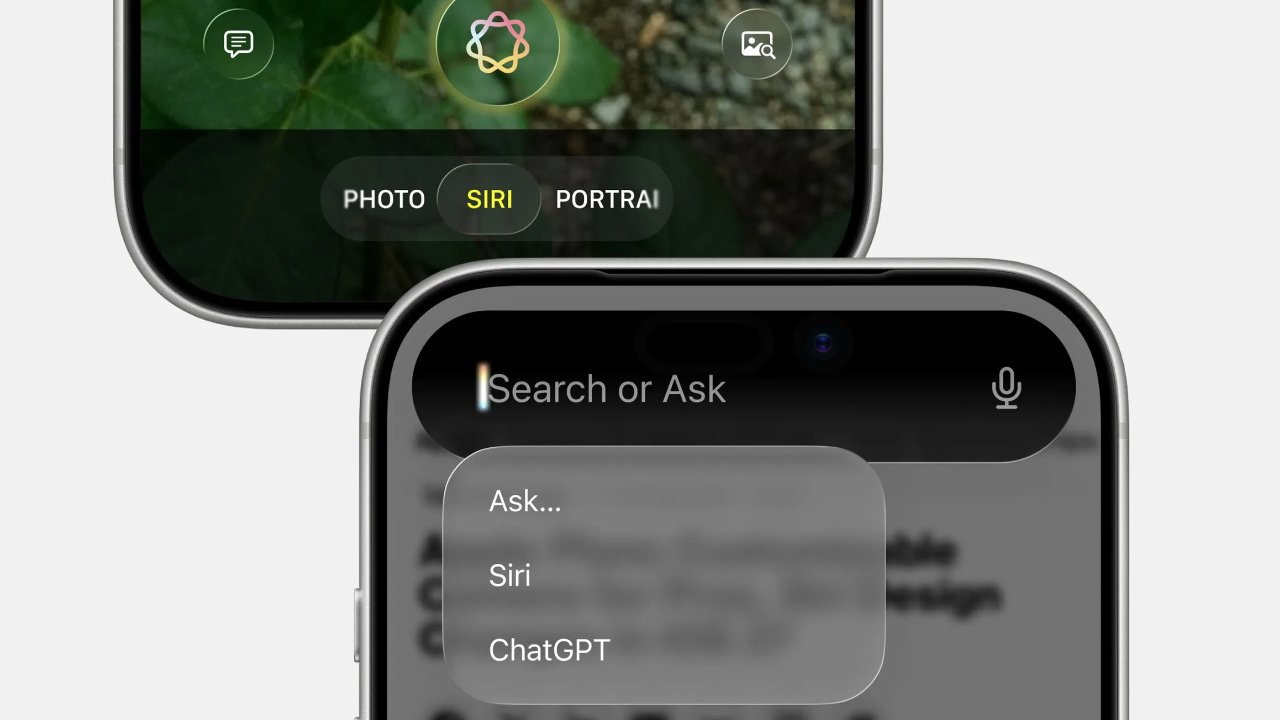
Based on the Bloomberg report cited by The Verge, Apple is working on a fresh Siri look that better fits the broader Apple Intelligence era. The reported renders suggest a more polished, ambient presence rather than the old, contained Siri card that has felt dated for years.
That tracks with where Apple has been heading. The company wants AI features to feel embedded in the system, not bolted on. So a redesigned Siri that stretches more naturally across the display makes sense, especially if Apple wants voice interactions to feel like part of the OS instead of a pop-up interruption.
Apple can polish Siri’s shell all it wants. If the assistant still fumbles simple multi-step requests, users will notice within minutes.
And yes, visuals matter. Interface design shapes trust. If an assistant looks cleaner, responds faster, and shows clearer status cues, you are more likely to use it again. But there is a limit to how much UI can paper over weak performance.
Why Apple needs more than a fresh coat of paint for Siri
Here’s the thing. Siri’s problem has never been branding. It has been reliability.
For years, Apple’s assistant has lagged behind rivals in handling follow-up questions, app-level actions, and natural conversation. Meanwhile, large language model products have reset user expectations. People now expect assistants to remember context, summarize messy information, rewrite text, and help finish tasks with fewer taps.
That shift is seismic for Apple. Siri no longer competes only with Alexa or Google Assistant. It competes with ChatGPT, Gemini, and Copilot style experiences that feel more flexible, even when they still make mistakes.
A redesign helps if it supports deeper function. Think of it like renovating a kitchen. New cabinet doors look nice, but if the plumbing leaks and the oven barely works, you have fixed the wrong thing.
Will the iOS 27 Siri redesign actually improve daily use?
That is the question that matters most.
If Apple connects the iOS 27 Siri redesign to faster on-device processing, better app intent handling, and stronger personal context, then this update could be meaningful. If not, it may end up as another demo-friendly change that looks great in keynote slides and fades in everyday use.
What would real progress look like for you?
- Better follow-up handling. You ask one question, then another related one, and Siri keeps the thread.
- Reliable actions inside apps. Siri should edit, send, find, and sort without forcing you back to manual taps.
- Clearer answers. Fewer vague responses. More direct results.
- Visible task status. A redesigned interface should show what Siri is doing, waiting on, or unable to complete.
Look, Apple usually wins when it turns rough technology into something ordinary people can trust. That is the opening here. But trust is earned through repetition. One successful request is nice. Twenty in a row is what changes behavior.
How this fits Apple’s wider AI strategy
Apple has been trying to thread a narrow path with AI. It wants to add more intelligence without giving up its privacy-first posture. That means leaning on on-device processing where possible, using private cloud systems where needed, and avoiding the reckless “ship it now, fix it later” energy that some rivals have embraced.
There is logic in that approach. A voice assistant deals with your messages, calendar, search history, location, and habits. That is sensitive material. Apple has every reason to move carefully.
But careful can slide into slow.
The company now faces a non-negotiable tradeoff. It has to preserve trust while making Siri meaningfully more capable. If it over-indexes on polish and privacy messaging, and under-delivers on performance, users will keep reaching for third-party tools.
What Apple likely wants from the new Siri
- More consistent visual identity across Apple Intelligence features
- Stronger integration with iPhone apps and system actions
- A modern assistant experience that feels less clunky
- Enough visible progress to calm criticism that Siri has fallen behind
What you should watch for when Apple shows more
When Apple formally details this work, ignore the first wave of glossy demos and watch the boring stuff. That is where assistant quality shows itself.
Pay attention to these signals:
- Multi-step requests. Can Siri complete chained actions without breaking?
- Error recovery. If Siri gets part of a request wrong, can it recover after a correction?
- Third-party app support. Useful assistants need reach beyond Apple’s own apps.
- Response speed. Even a smart assistant feels dumb if it hesitates too long.
- Context memory. Can it remember what you just asked a few seconds earlier?
This is where veteran observers tend to push back on hype. Assistant launches often look slick in controlled settings. Real life is louder. You are walking, dictating, switching apps, correcting yourself, and asking messy questions. That is the standard Siri has to meet.
What Bloomberg and The Verge reporting suggests about Apple’s pressure
The Verge’s write-up of Bloomberg’s report lands at a moment when Apple can no longer treat Siri as a side feature. It is now part of the company’s larger answer to the AI race. That shifts the stakes. A weak Siri is no longer a minor product annoyance. It becomes evidence that Apple is trailing in a category that now shapes the whole platform.
Honestly, that may be good news for users. Pressure forces product teams to focus. And Apple finally has enough competitive heat to stop treating Siri updates as incremental decoration.
The reported renders matter because they show intent. They suggest Apple knows Siri’s current presentation feels old. But interface updates are the easy part. The hard part is making the assistant dependable when your request is vague, personal, and time-sensitive (which is most of real life).
What comes next for Siri
The iOS 27 Siri redesign could mark the start of a bigger fix, or it could become another reminder that AI assistants live or die on execution. Apple still has an edge in hardware, ecosystem control, and user trust. That is a strong foundation. It is not enough on its own.
If Apple wants Siri to matter again, it has to make the assistant feel less like a feature and more like a competent operator. The glow can impress people for a day. Better answers are what keep them coming back. So when Apple shows the next Siri, ask yourself one blunt question: would you trust it with something that actually matters?