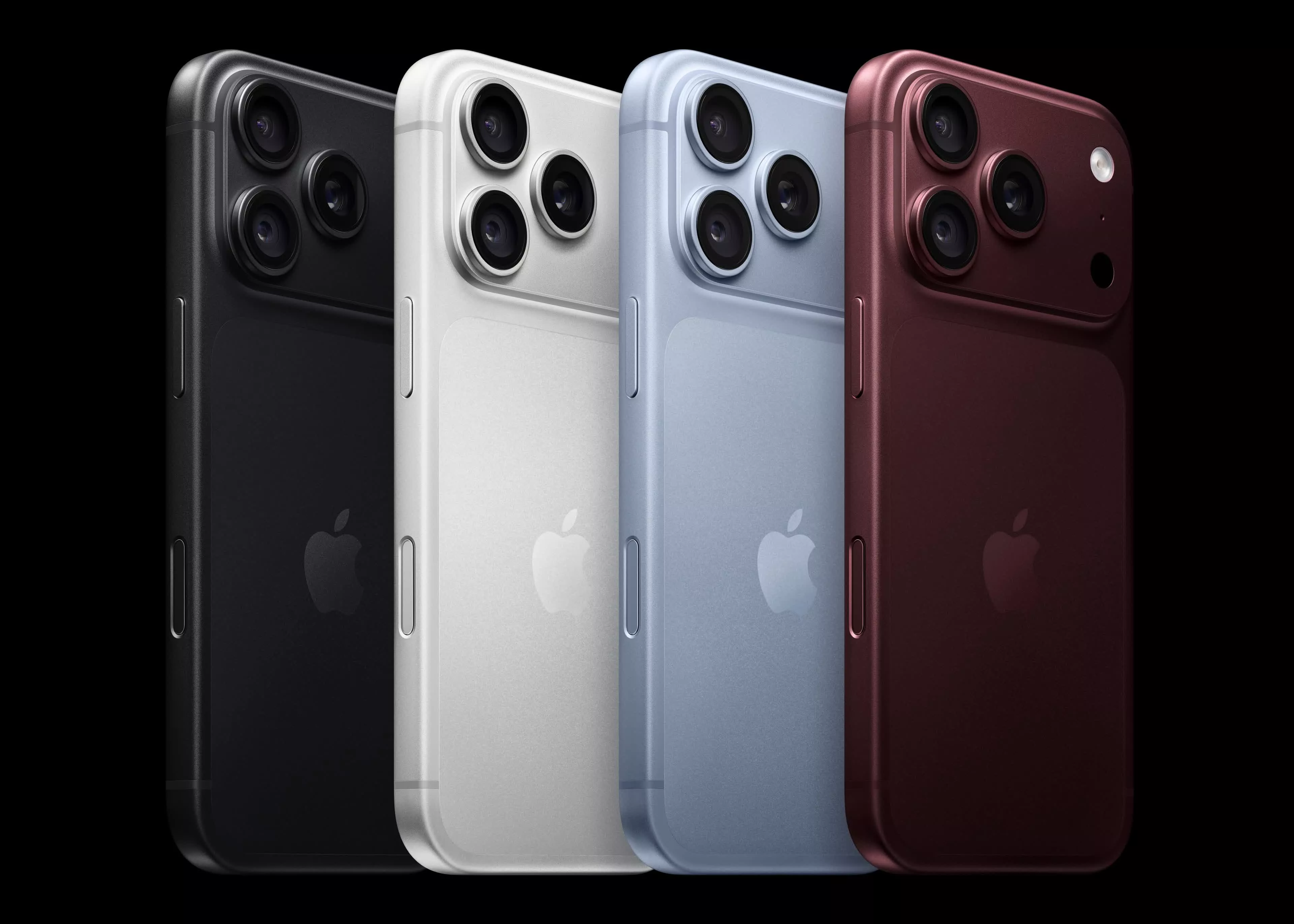
iPhone 18 Pro Design Rumors: What the Reference Image Really Means
You may be wondering whether the latest iPhone 18 Pro design leak is worth taking seriously, especially if you are trying to decide whether to upgrade now or wait. The short answer is yes, but with restraint. A reference image reported by The Verge points to what could be an early look at Apple’s 2026 Pro iPhone direction, though these images often come from supply chain planning rather than final retail hardware. That matters because Apple’s industrial design choices affect more than looks. They shape camera size, case fit, repair complexity, accessory support, and the pressure on rival phone makers. I have covered enough Apple rumor cycles to know the pattern. Early images can be useful, but they are rarely the whole story.
What Stands Out
- The reported iPhone 18 Pro design image appears to be a reference asset, not a confirmed product render.
- Reference images can reflect real engineering targets, but Apple may still change details before launch.
- Camera layout, materials, and display cutouts are the areas to watch most closely.
- If you own a recent Pro iPhone, this leak alone is not a solid reason to delay an upgrade.
Why the iPhone 18 Pro Design Leak Matters
The Verge’s report focuses on a reference image tied to the iPhone 18 Pro, a device that Apple has not announced. That puts it in the murky zone between rumor and roadmap. It may show where Apple is headed, but it does not prove what will ship.
Still, these leaks matter because Apple works with a large chain of display makers, case suppliers, camera module vendors, and manufacturing partners. Design targets tend to circulate long before launch. A single image can give accessory makers and analysts a first hint of where the product is going.
Early Apple reference images are best treated as directional evidence, not a product promise.
That is the sane starting point.
What an iPhone 18 Pro Reference Image Can Tell You
A reference image is often made for internal alignment or partner planning. It can show proportions, module placement, button locations, and rough component boundaries. But it may omit finishes, exact materials, color options, and production tolerances.
Think of it like a restaurant prep sketch before the final plate reaches your table. The kitchen knows the ingredients and layout, but the final dish can still change before service. Apple is especially fond of late-stage polish (and secrecy), so small details deserve skepticism.
Design clues worth watching
- Camera island: A larger module can point to bigger sensors, folded optics, or new spatial video hardware.
- Display area: Any change to the Dynamic Island or front sensor space could hint at under-display Face ID work.
- Frame shape: Subtle changes affect grip, case compatibility, and durability.
- Button layout: Apple has used buttons to signal deeper shifts, as seen with the Action button and Camera Control.
The camera area is the big one. Apple’s Pro models have become camera-first devices for many buyers, and every millimeter in that corner has a reason. If the reference image suggests a new module footprint, it may point to a hardware change rather than a cosmetic tweak.
Where the iPhone 18 Pro Design Rumor Needs Caution
Apple rumor culture has a bad habit of turning vague supply chain artifacts into certainty. We saw this during earlier cycles with ports, buttons, camera bumps, and display cutouts. Some leaks landed. Others missed because Apple tested multiple paths at once.
Could the iPhone 18 Pro design change before release? Of course. Apple usually locks down major hardware decisions well ahead of launch, but external details can shift as yield rates, component costs, and durability testing improve. The phone expected in 2026 is still far enough away that caution is non-negotiable.
Look, this is where hype gets lazy. A reference image is not the same as a CAD file from late production, and it is not the same as a retail render. If you see someone treating it like launch-day proof, discount that confidence.
What This Could Mean for Buyers
If you are using an iPhone 13 Pro, iPhone 14 Pro, or older model, this leak should not freeze your buying decision. Battery life, camera quality, and software support matter now. A rumored 2026 design may be interesting, but it will not help your worn battery today.
If you already own an iPhone 15 Pro or iPhone 16 Pro, waiting may make more sense, depending on your upgrade rhythm. Apple’s biggest Pro changes often arrive in clusters: camera hardware one year, display or chip changes the next, then chassis refinements. The iPhone 18 Pro could sit in one of those heavier redesign windows, but that is still an informed guess.
Use this simple upgrade filter
- If your current iPhone battery health is poor, replace the battery or upgrade based on current models.
- If your camera is the main reason to upgrade, wait for firmer sensor and lens reports.
- If you care about design above all else, follow CAD leaks and case maker files later in the cycle.
- If your phone still works well, do nothing. Rumors are free, upgrades are not.
Why Apple May Be Rethinking the Pro iPhone
The Pro iPhone has a design problem that every premium phone now faces. Camera systems keep growing, batteries need space, thermal demands are rising, and consumers still want thinner devices. Something has to give.
Apple also has to prepare for new on-device AI features, better video capture, and possibly more advanced sensor stacks. Even if the outside looks familiar, the internal architecture may need a shake-up. A reference image can sometimes expose those internal tradeoffs before Apple is ready to talk.
There is also the competition angle. Samsung, Google, Xiaomi, and Vivo keep pushing camera hardware and AI photo tools. Apple does not need to chase every spec, but it cannot let the Pro line feel static. A more assertive iPhone 18 Pro design would fit that pressure.
The Practical Read on iPhone 18 Pro Design
The smartest way to read this leak is to place it on a timeline. Early reference image first. Then CAD drawings, dummy units, case molds, part leaks, analyst notes, and production chatter. The more those sources agree, the stronger the signal becomes.
For now, the reported image is a breadcrumb. Useful, yes. Decisive, no. If future leaks show the same camera footprint or chassis outline, then you can start treating this as a real design direction rather than a stray planning file.
What should you do next? Watch for repeat evidence from different parts of the supply chain, especially case makers and display analysts. If they start telling the same story, the iPhone 18 Pro design rumor gets much harder to dismiss.