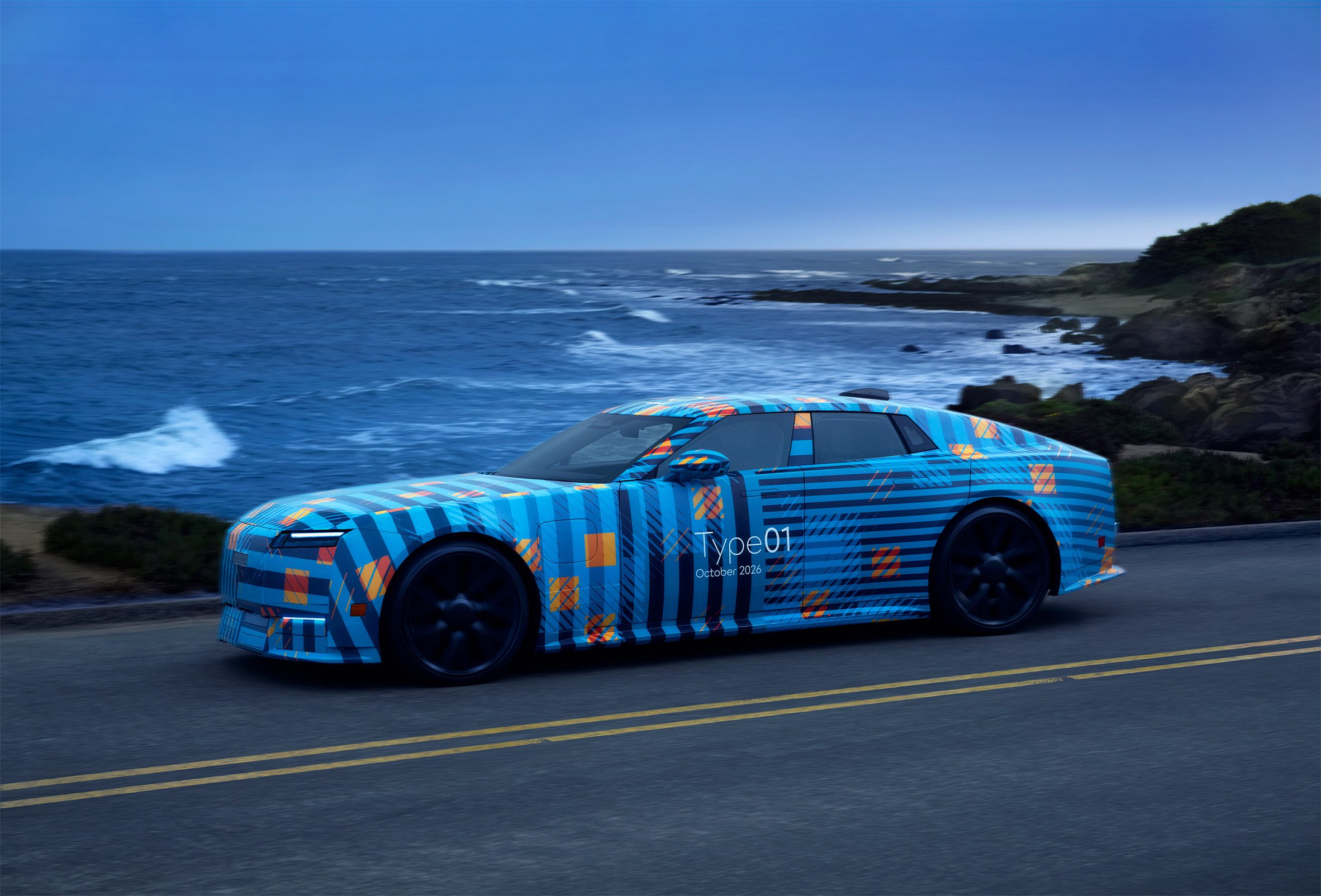
Jaguar Type 01: What the Electric GT Really Signals
You want to know whether the Jaguar Type 01 is a serious preview of Jaguar’s electric future or another concept car built to stir the internet. Fair question. Jaguar has spent years stuck between heritage and reinvention, while rivals like Porsche, Bentley, Mercedes-Benz, and Lucid have moved faster in high-end electric cars. Now Jaguar is trying a hard reset. The Type 01, revealed as part of the brand’s new direction and covered by Top Gear, is not meant to please everyone. That may be the point. It previews a four-door electric GT due later this decade, with dramatic proportions, a new design language, and a luxury-first strategy that pushes Jaguar away from volume chasing. Risky? Absolutely. But staying vague was riskier.
What Stands Out First
- The Jaguar Type 01 previews a future electric GT, not a direct production car.
- Jaguar is moving upmarket, with fewer models and a sharper luxury focus.
- The design drops many familiar Jaguar cues, which explains the noisy reaction.
- The production model is expected to use a dedicated electric platform.
- This is less about nostalgia and more about whether Jaguar can still matter.
Jaguar Type 01 Design: Bold Reset or Brand Amnesia?
Look, Jaguar was never going to win by making another smooth, polite electric sedan. The Type 01 goes the other way. Long bonnet, low roof, broad stance, and a blunt rear. It reads more like an architectural model than a traditional motor show beauty.
That is intentional. Jaguar’s new visual identity favors clean surfaces, strong forms, and theatrical presence. The grille is gone because an EV does not need one in the old sense. The lighting is thin. The body looks heavy in some angles and striking in others.
This is where the debate gets heated. Does a Jaguar need to look like an E-Type grandchild forever? I would argue no. But it does need grace, tension, and a sense of motion even when parked. The Type 01 has drama. Grace is still up for argument.
Jaguar is not selling continuity here. It is selling rupture, and that is a dangerous product if the follow-through is weak.
Why the Jaguar Type 01 Matters for the Brand
Jaguar has tried the middle lane for too long. The XE and XF had moments, but the German brands owned the segment. The I-Pace was early and genuinely good, yet it never became the Tesla-fighting statement Jaguar needed.
So the company is changing the game board. Fewer cars. Higher prices. Electric only. More design theater. That sounds neat in a boardroom, but customers at this level are brutal. They expect range, speed, cabin quality, software, charging reliability, and status.
No hiding place.
The Type 01 matters because it tells buyers, dealers, and rivals that Jaguar is done acting like a smaller BMW. The brand wants to be closer to Bentley in attitude, with EV tech underneath. That is a major repositioning, not a facelift with a press release attached.
Jaguar Type 01 Specs: What We Know and What Still Matters
Concept cars love mystery. Production cars do not get that luxury. Jaguar has indicated that the production electric GT linked to this concept will ride on a new dedicated EV architecture, often referred to as JEA, or Jaguar Electrified Architecture.
Top Gear’s report points to a high-end electric GT direction, with the production car expected to target long range and serious performance. Exact battery size, motor output, charging curve, and efficiency figures are still the numbers to watch.
The Numbers Buyers Should Care About
- Real-world range: A luxury EV GT needs comfort over distance, not just a flattering test-cycle figure.
- Charging speed: Peak kW matters less than how long the car holds a strong charging rate.
- Software quality: Jaguar cannot afford laggy screens or weak route planning.
- Cabin execution: Minimal design is fine, but cheap touchpoints will kill the pitch fast.
- Ride and noise isolation: A grand tourer should feel calm at speed, even on rough roads.
Here’s the thing. Performance is the easy part now. Almost every premium EV can launch hard enough to make passengers queasy. The harder job is making an electric GT feel special after the first acceleration run.
Jaguar Type 01 and the Luxury EV Fight
The Jaguar Type 01 enters a field that has changed fast. Porsche has the Taycan. Mercedes has AMG-tuned EQ models. BMW has the i7 and i5. Lucid has range credibility. Bentley is preparing its own EV era. And Tesla still shapes customer expectations around charging and software.
Jaguar’s advantage is not scale. It is character. Or at least it has to be.
Think of this like opening a small restaurant next to established names. You cannot win by serving the same dish with weaker service. You need a point of view, a sharp menu, and execution that makes people talk after they leave. The Type 01 has the point of view. The production car must deliver the meal.
Where Jaguar Can Win
- Design distinction: Many luxury EVs look smooth to the point of anonymity. Jaguar can stand apart.
- British GT heritage: The brand has real credibility in long-distance performance cars.
- Higher-margin focus: Selling fewer, pricier cars can work if the product feels rare and complete.
- Fresh start: A clean EV platform lets Jaguar avoid some compromises of mixed-powertrain platforms.
Where Jaguar Could Stumble
The risk is obvious. If the design shock is not backed by substance, the car becomes a branding exercise. And buyers in this tier can spot that quickly.
There is also the dealer and ownership question. Luxury EV customers care about the full experience, from test drive to software updates to service. Jaguar needs the product, yes, but it also needs a smoother ownership story than it has offered in some past eras.
What the Jaguar Type 01 Says About Future Jaguar Cars
The Type 01 is a signal that future Jaguars will be more expensive, more electric, and more visually assertive. The brand appears willing to lose some old customers to reach new ones. That sounds cold, but it is common in luxury repositioning.
Will it work? The answer depends on whether Jaguar understands that luxury is not the same as weirdness. Strange can get attention. Better gets repeat buyers.
The production version needs to keep the confidence of the concept while fixing the parts that may be too show-car for daily life. Visibility, ingress, rear-seat comfort, boot space, and interface quality are not boring details. They are the stuff owners complain about six months later.
The Practical Read on Jaguar’s Electric Gamble
If you are a Jaguar loyalist, the Type 01 may feel like a clean break from the brand you knew. If you are a luxury EV shopper, it may be the first Jaguar in years that feels impossible to ignore. Both reactions are useful to Jaguar.
My read after years covering these reinventions: the noise around the concept is less important than the discipline behind the production car. Jaguar does not need everyone to like the Type 01. It needs enough buyers to believe the final electric GT is worth choosing over a Porsche, Bentley, Mercedes, or Lucid.
That is a narrow target. But for once, Jaguar is aiming at something specific.
The next smart step is simple. Ignore the outrage cycle and watch the production specs, charging data, interior quality, and price. That is where the Jaguar Type 01 turns from spectacle into a car people may actually buy.