Meta AI Threads Account Block Explained
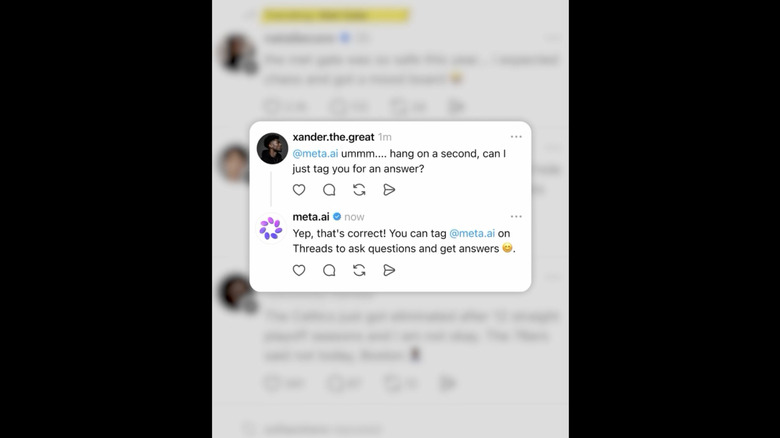
You may have noticed a strange limit inside Threads. The Meta AI Threads account block issue has frustrated users who want the same control they have over any other profile, but hit a wall when they try to block Meta’s built-in AI account. That matters because blocking is one of the most basic tools for shaping your feed, reducing unwanted replies, and setting boundaries on a platform you use every day. And if an app treats one account by different rules, people notice fast. The bigger question is simple. If Meta wants its AI assistant to act like part of the social experience, should it also play by the same user-control rules as everyone else? Look, this is not a minor settings glitch. It gets at trust, product design, and how much say you really have over AI features inside Meta’s apps.
What stands out
- Users have reported that Meta AI’s Threads account cannot be blocked like a normal profile.
- The issue raises a basic product question about user control and platform exceptions.
- Even if blocking fails, you still have a few ways to limit AI visibility across Meta apps.
- Meta’s move fits a wider pattern of AI features being deeply built into consumer platforms.
Why the Meta AI Threads account block matters
Blocking is a plain-language feature with a clear purpose. You do not want to see an account, interact with it, or let it interact with you. Done.
That is why this story landed. According to reporting from The Verge, users found that Meta AI’s Threads profile could not be blocked through the usual process. Instead of acting like any other account, it appeared to sit in a protected lane.
That may sound small, but it changes the social contract. Platforms tell users they have tools to control what they see. Then one company-owned AI profile appears to be exempt. Honestly, that is the kind of product choice that invites skepticism.
If a platform gives its own AI account special treatment, users will ask whether “control” really means control.
What likely explains the Meta AI Threads account block limit
Meta has been weaving Meta AI across Instagram, WhatsApp, Facebook, and Threads. So this is not just another profile. It is tied to a broader assistant layer inside Meta’s ecosystem.
That distinction matters because the account may function partly as a service endpoint, not only as a social identity. Think of it like a help desk bolted onto the app’s front door. You can ignore it sometimes, but the company still wants it reachable.
Still, product logic is not the same thing as good user experience. If the AI account supports core assistant functions, Meta could say so clearly inside the interface instead of letting users run into a dead end and guess what is going on.
Why users react so strongly
People know the difference between a bug and a rule. When a block option does not work on one specific account owned by the platform, it looks deliberate. And deliberate exceptions tend to trigger a simple reaction. Why this account?
That is especially true now, as tech companies race to place AI assistants in search boxes, chat apps, feeds, and operating systems. Users are already adjusting to more AI in everyday products. Forced proximity is where patience runs thin.
What you can still control on Threads and Meta apps
You may not be able to fully use the Meta AI Threads account block feature. But you are not out of options.
- Mute related conversations or keywords. If AI posts or replies keep surfacing around certain topics, keyword filters can cut some of that noise.
- Adjust privacy and reply settings. Limit who can reply to your posts or mention your account. That reduces unwanted interaction paths.
- Use content preferences where available. Meta changes these settings often, so check account, privacy, and feed controls regularly.
- Leave feedback inside the app. This sounds basic, but repeated complaints around one feature often shape future product tweaks.
- Watch regional rollout differences. Meta AI features vary by market, app, and account type, so your experience may not match someone else’s screenshots.
None of those steps is as clean as a normal block.
But they can still reduce friction while Meta decides whether to change course.
What this says about AI in social platforms
The Meta AI Threads account block problem is really a policy story disguised as a settings story. It shows what happens when AI stops being an optional tool and starts becoming part of the platform’s plumbing.
Years ago, social apps mostly asked you to manage people. Now they also ask you to manage system-generated personas, recommendation engines, and assistant features that blur together. It is a bit like remodeling a house while people are still living in it. The company sees an integrated design. The user just wants the bathroom door to close properly.
And that is the tension. Companies want AI placed front and center because usage drives strategy, investor narratives, and future product lock-in. Users want a veto button.
Should platforms be allowed to make AI accounts unblockable?
My view is simple. No, not in the usual social context.
If an AI presence looks like an account, posts like an account, and can appear in the same spaces as normal profiles, users should get the same controls they already understand. Block, mute, restrict, hide. Pick your tool. But the choice should be yours.
There can be narrow exceptions for security, fraud prevention, or core account alerts. A social AI assistant is a weaker case. Meta may argue that deep integration requires special handling. Fine. Then explain that in plain English and offer equivalent ways to shut it out of the user-facing experience.
Good AI product design is not only about what the assistant can do. It is also about what the user can refuse.
What to watch next on the Meta AI Threads account block issue
This story will likely hinge on one thing. Whether Meta treats the backlash as a messaging problem or a product problem.
If the company updates Threads so the AI account can be blocked, that signals it heard the broader trust concern. If it keeps the exception and simply clarifies why, expect the debate to keep going. Users tend to accept limits when they are transparent and narrow. They push back when limits feel hidden or one-sided.
So keep an eye on app updates, support language, and how Meta describes Meta AI’s role across its services. Those details usually tell you more than the launch pitch does.
The next move is on Meta
Meta wants AI to feel native across its apps. Fair enough. But native should not mean unavoidable.
If the company wants people to trust Meta AI on Threads, it should make user controls non-negotiable, even when that creates friction for its own growth goals. Otherwise, every new assistant feature starts to feel less like a tool and more like a house rule you never agreed to. And users have a long memory for that.