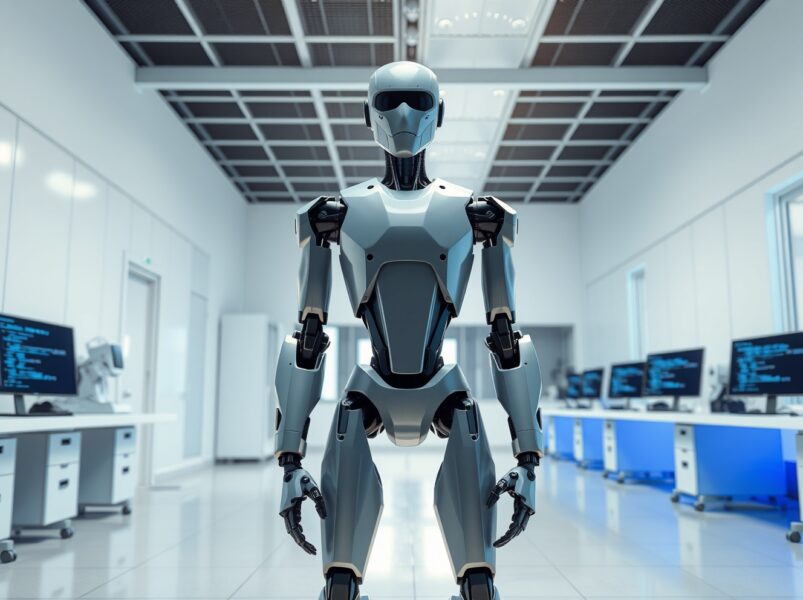
Meta Humanoid AI Ambitions Get a Robotics Boost
Meta is spending more time and money on physical AI, and that should get your attention if you track the next battle in consumer tech. The company’s latest move, tied to its Meta humanoid AI ambitions, points to a bigger plan that reaches past chatbots and smart glasses into robotics. That matters now because the race is no longer about who has the best model on a benchmark. It is about who can turn AI into products people can see, touch, and use in the real world. Meta has scale, cash, custom silicon work, and a history of betting big on platforms. But can it turn those strengths into a humanoid robotics business, or is this another expensive side quest?
What stands out
- Meta’s acquisition suggests humanoid robotics is moving from research interest to product strategy.
- The deal fits Meta’s pattern of buying talent and technical pieces, then folding them into a larger platform push.
- Humanoid AI is a tougher market than software AI because hardware, safety, and supply chains can break even the best plans.
- Competition from Tesla, Figure, and other robotics players means Meta is entering a field that is already crowded with bold promises.
Why Meta humanoid AI ambitions matter
Look, big tech companies do not make moves like this for sport. A robotics startup acquisition usually means one of two things. Either the buyer wants a team with rare engineering skills, or it wants a shortcut into a market that is getting hot fast.
Meta likely wants both. The company has spent years building AI models, chips, wearables, and spatial computing products. Humanoid robotics sits right at the intersection of those efforts. If Meta can combine perception, language models, sensors, and on-device computing, it could create a new hardware category that extends far beyond the phone.
That is the upside.
The harder truth is that robotics has humbled richer and older companies than Meta. Building a convincing demo is one thing. Shipping safe, useful, repeatable machines at scale is another.
What Meta may actually be buying
Acquisitions like this are often less about revenue and more about missing pieces. In robotics, those missing pieces tend to fall into a few buckets.
- Talent. Robotics engineers with experience in motion control, manipulation, embedded systems, and real-time AI are scarce.
- IP and prototypes. Even early systems can save years of internal trial and error.
- A faster learning curve. Buying a startup can compress the time needed to build a working robotics stack.
- Positioning. Sometimes the message matters too. Meta wants the market, and rivals, to know it is serious.
Honestly, the talent angle may be the biggest one. Humanoid robotics is like building a restaurant where the oven, the menu, the staff, and the building itself are all unfinished. You do not just need chefs. You need plumbers, electricians, and someone who can stop the whole thing from catching fire.
How this fits Meta’s bigger strategy
Meta has a habit of placing large bets on future platforms. Social networking worked. VR and the metaverse remain a mixed story. AI, though, is now the center of gravity across the company. That changes the context.
A robotics push would fit several Meta goals at once. It could create new demand for its AI models. It could give Meta another hardware channel beyond Quest headsets and Ray-Ban smart glasses. And it could support long-term work in embodied AI, where systems learn by interacting with physical environments instead of only ingesting text and images.
Meta does not need humanoid robots to become a mass product tomorrow. It needs a credible path into embodied AI before rivals lock up the talent, data, and developer ecosystem.
That last point matters most. The next durable AI moat may come from real-world interaction data, not just internet-scale training sets. A robot that sees, moves, grabs objects, and responds to human feedback generates a very different kind of training signal.
The real obstacles to Meta humanoid AI ambitions
If you are tempted to read this as a straight line to home robots, slow down. The gap between acquisition headlines and useful humanoid machines is still wide.
Hardware is unforgiving
Software can ship with bugs and get patched later. A robot that drops objects, falls over, or misreads a space creates safety risks right away. That raises the bar for reliability, testing, and support.
Unit economics are rough
Advanced robotics needs expensive components, careful assembly, and a steady supply chain. And unless Meta has a very clear near-term use case, costs can spiral long before revenue catches up.
Consumer demand is still fuzzy
What exactly is the first killer use case for a humanoid robot? Elder care, warehouse work, household chores, retail assistance, lab automation. People keep naming possibilities, but broad product-market fit is still unsettled.
Competition is already loud
Tesla has Optimus. Figure has drawn heavy attention and partnerships. Agility Robotics and others are chasing industrial use cases. Meta is not early here. It is entering a race where hype is cheap and execution is non-negotiable.
What to watch next
If you want to judge whether this move is serious, watch actions instead of branding. The clues will come from hiring, partnerships, and product direction over the next 12 to 18 months.
- New hiring in robotics software, controls, simulation, and safety
- Mentions of embodied AI or robotics in Meta research and product roadmaps
- Links between robotics work and Meta’s AI model families, chips, or wearables
- Industrial or enterprise pilots before any consumer launch
- A stronger developer story around simulation, training environments, or APIs
And here is a practical read on the likely sequence. Meta probably tests robotics in controlled environments first, perhaps enterprise or lab settings, before it tries anything close to a mainstream consumer device. That is the sensible route, even if it is less flashy.
What this means for the AI market
This deal is one more sign that the AI race is shifting from pure software to integrated systems. Models still matter. Chips matter. Data matters. But the next phase may reward companies that can tie those pieces to sensors, mobility, and physical action.
That is why this acquisition feels more seismic than it may first appear. It is not just about one startup. It is about whether Meta believes the next major computing platform could involve machines that move through the world, not only apps that sit on screens.
And if that is the bet, Meta is making a rational move (even if the road is messy).
The next test for Meta
Meta has money, ambition, and enough AI infrastructure to force its way into the humanoid robotics conversation. What it does not have yet is proof that it can turn that pile of assets into a dependable robotics business. That takes patience, discipline, and far less hype than this market usually produces.
So keep an eye on the boring signals. Hiring plans. Pilot programs. Technical papers. Quiet product milestones. Those details will tell you more than any launch video ever could. The real question is simple. Will Meta build a robot people actually need, or just another demo people remember for six weeks?


