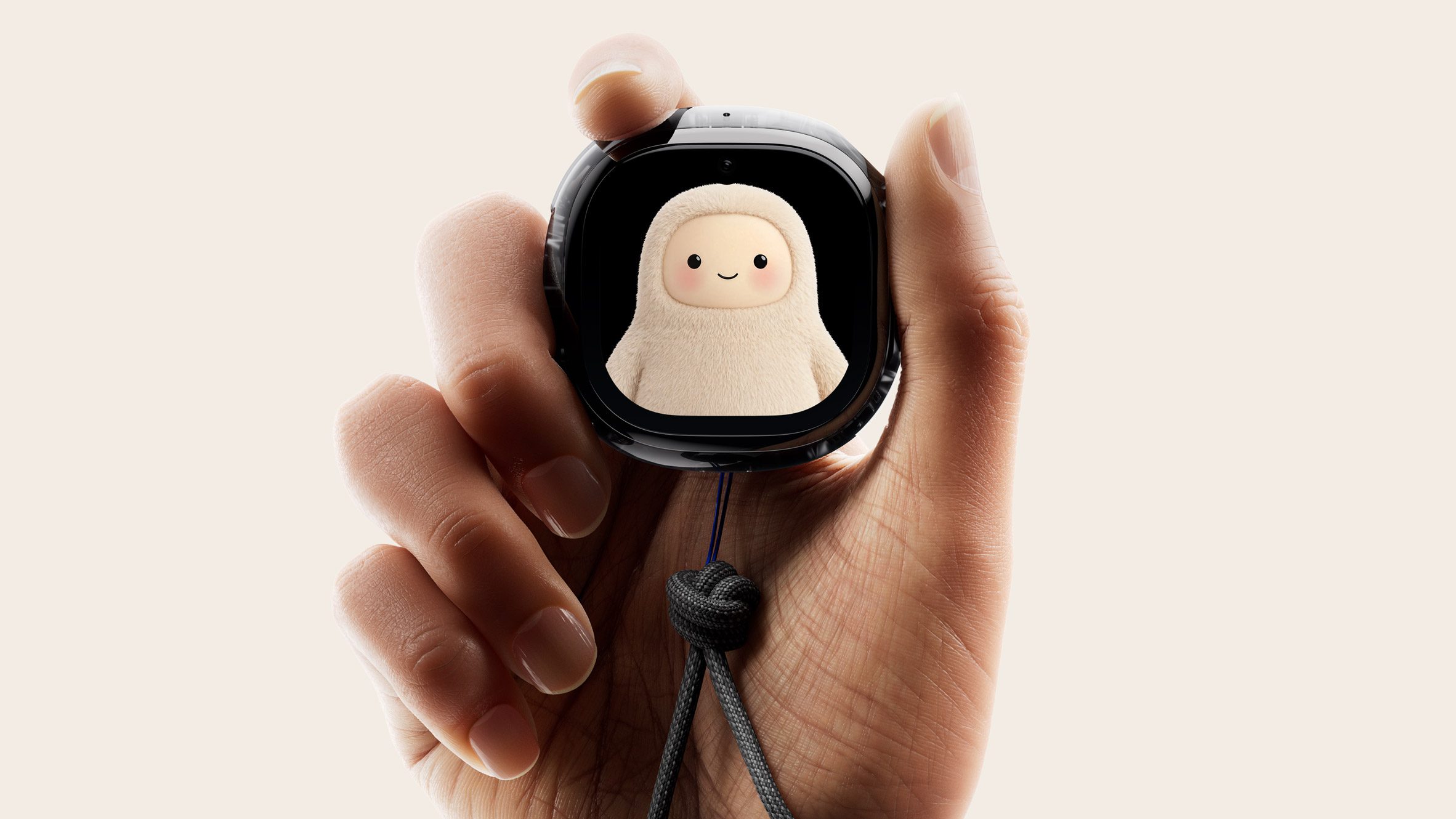
Meta Muse Shows the Risk of Adult AI With Toy-Like Design
You can tell people a product is for adults, but the design may tell a different story. That is the problem at the center of Meta Muse, an adults-only AI product that WIRED says looks more like a cute children’s toy than mature technology. The issue matters now because AI companions, social robots, and voice assistants are moving into homes faster than regulators can define the rules. If a device looks safe, playful, and child-friendly, families may treat it that way, even if the terms of service say otherwise. I have covered enough tech launches to know this pattern. Companies often lean on soft shapes, bright colors, and friendly faces to lower suspicion. But what happens when those same cues make an adult product feel like something a child should touch?
What Stands Out
- Meta Muse creates a design mismatch: the product is reportedly restricted to adults, while its visual language reads young and playful.
- Age gates are weak protection if the product itself invites attention from children in shared spaces.
- AI devices need clearer audience signals, especially when they use voices, faces, or emotional interaction.
- Regulators will care about design intent, not only the legal text buried in onboarding screens.
Why Meta Muse Raises a Design Problem
According to WIRED, Meta Muse is marked for adults only, yet its look pulls from the same design shelf as plush toys, kid-friendly gadgets, and animated characters. That contrast is not cosmetic trivia. Design tells users how to behave before a product says a word.
Look at the consumer tech playbook. Rounded edges signal safety. Big eyes or face-like features signal personality. Soft colors reduce friction. These choices can make a device feel approachable, which is useful for adoption, but risky when the intended user is not everyone in the room.
Age restriction is a policy choice. Visual design is a behavioral cue, and people respond to cues faster than they read policies.
This is where Meta’s challenge gets messy. If Muse is meant for adults, Meta has to make that clear at the product level, not only in account settings or legal copy. A bartender does not serve cocktails in a juice box and then blame customers for confusion.
Meta Muse and the Limits of Age Gates
Age gates have always been a thin wall. Kids borrow parents’ phones, guess birthdays, and wander into apps through shared devices. Anyone who has watched a child use a tablet knows the formal user is often not the only real user.
With AI hardware or character-led software, the problem gets sharper. A child does not need to create an account to become curious. The object sitting on a desk can attract attention on sight (especially if it looks like it belongs in a playroom).
Here is the thing.
Companies love age gates because they are measurable and defensible. They can say the user clicked, confirmed, or accepted. But product safety is not a checkbox sport. It is closer to architecture. If you build a staircase with a slippery top step, a warning sign helps, but the bad design remains.
What Adult AI Products Should Signal
An adults-only AI product does not need to look grim or hostile. It can be warm without looking infantile. It can be friendly without mimicking a toy. The line is not always clean, but experienced designers know where the danger starts.
Better design choices for adult AI
- Use adult visual cues: restrained colors, less toy-like proportions, and fewer cartoon traits.
- Make onboarding visible to the household: show the product’s age rating and purpose on packaging, setup screens, and companion apps.
- Avoid child-directed voices by default: high-pitched, singsong speech can make a product feel meant for kids.
- Separate play from intimacy: if the AI supports adult themes, flirtation, or emotional bonding, the interface should not borrow from toy design.
- Build family controls early: do not ship them later after public pressure arrives.
These are not exotic demands. They are basic product judgment. The toy industry has spent decades sorting age labels, packaging cues, and choking hazard warnings. AI companies should study that playbook before pretending every smart object is a neutral computer.
Why Meta Muse Matters Beyond One Product
Meta has enormous reach through Facebook, Instagram, WhatsApp, Quest, and its AI assistant work. That reach changes the stakes. A smaller startup can make odd design calls and stay niche, but Meta’s choices can normalize a whole category.
The broader AI market is already drifting toward emotional machines. We have chatbots that flatter, avatars that remember, and companion apps that blur support with performance. Add a cute physical form and the product starts to feel less like software and more like a household presence.
That is why the Muse debate is not about whether adults deserve playful gadgets. Of course they do. The question is whether a company with Meta’s scale should use child-coded design for adult-only interaction, then rely on age labels to do the hard work.
Meta Muse Should Push Regulators to Look at Design
Most tech policy still focuses on data collection, consent, and harmful content. Those issues matter. But AI companions and social devices add another layer: form factor. The shape, voice, and personality of a product can steer behavior before data rules even enter the frame.
Regulators such as the Federal Trade Commission in the United States and the Information Commissioner’s Office in the UK have already shown interest in dark patterns, child privacy, and manipulative interfaces. Toy-like adult AI sits near all three. If the design nudges children toward interaction, companies may face questions about who the product is effectively targeting.
Meta can avoid the worst version of this fight by being plain. Put the audience in the design. Put the limits in the setup. Put parental controls where people can find them. And if the product is meant only for adults, make it look like someone at the company believed that.
The Next Move Is Meta’s
Meta Muse may end up as a small product story, but the issue behind it will not stay small. AI is leaving the chat box and moving into objects, avatars, voices, and rooms where children are present. The companies that win trust will be the ones that treat design as a safety system, not a costume. If Meta wants adults-only AI, it should stop dressing it like something from the toy aisle.


