Meta Muse Wearable Brings AI Agents to Your Wrist
You already have too many devices asking for attention, so a Meta Muse wearable shaped around an AI agent should make you pause. According to TechCrunch, Meta has built a Tamagotchi-like wearable for Muse, its AI agent project. That framing matters. This is not the usual smart glasses pitch, and it is not a phone app with a chatbot stuffed inside. It suggests Meta is testing a more emotional, companion-style interface for AI, one that lives with you and asks to be checked, fed, trained, or guided.
The timing is no accident. AI companies are still trying to prove that agents can do more than answer prompts. Hardware gives them a place to live. But does an AI agent need a tiny pet-like body, or is that clever packaging for a still-uncertain product category?
What Stands Out
- Meta’s Muse device appears to borrow from Tamagotchi-style interaction, where care and routine shape the experience.
- The wearable points to a broader race to move AI agents beyond chat windows and into dedicated hardware.
- Success depends less on novelty and more on whether Muse can do useful work without becoming another attention trap.
- Privacy, battery life, notifications, and emotional design will decide whether users trust it.
What Is the Meta Muse Wearable?
The Meta Muse wearable, as reported by TechCrunch, is a small device tied to Meta’s Muse AI agent. The most interesting detail is the Tamagotchi comparison. That reference says a lot. A Tamagotchi was not useful in the productivity sense. It was sticky because it created obligation.
That is a risky design move for AI. If Meta makes Muse feel like a digital creature, the company may get higher engagement. It may also invite questions about manipulation, especially if the agent nudges users to interact more often than they need to.
Look, I have covered enough consumer tech launches to be suspicious of cute hardware with fuzzy goals.
The better version of this product would make the wearable a lightweight home for an agent that remembers context, handles simple tasks, and gives you short prompts when needed. The worse version would be a notification pet with a cloud bill attached.
“The real test is not whether an AI wearable feels alive. The test is whether it earns a spot on your body after the novelty fades.”
Why Meta Muse Wearable Signals a Shift in AI Hardware
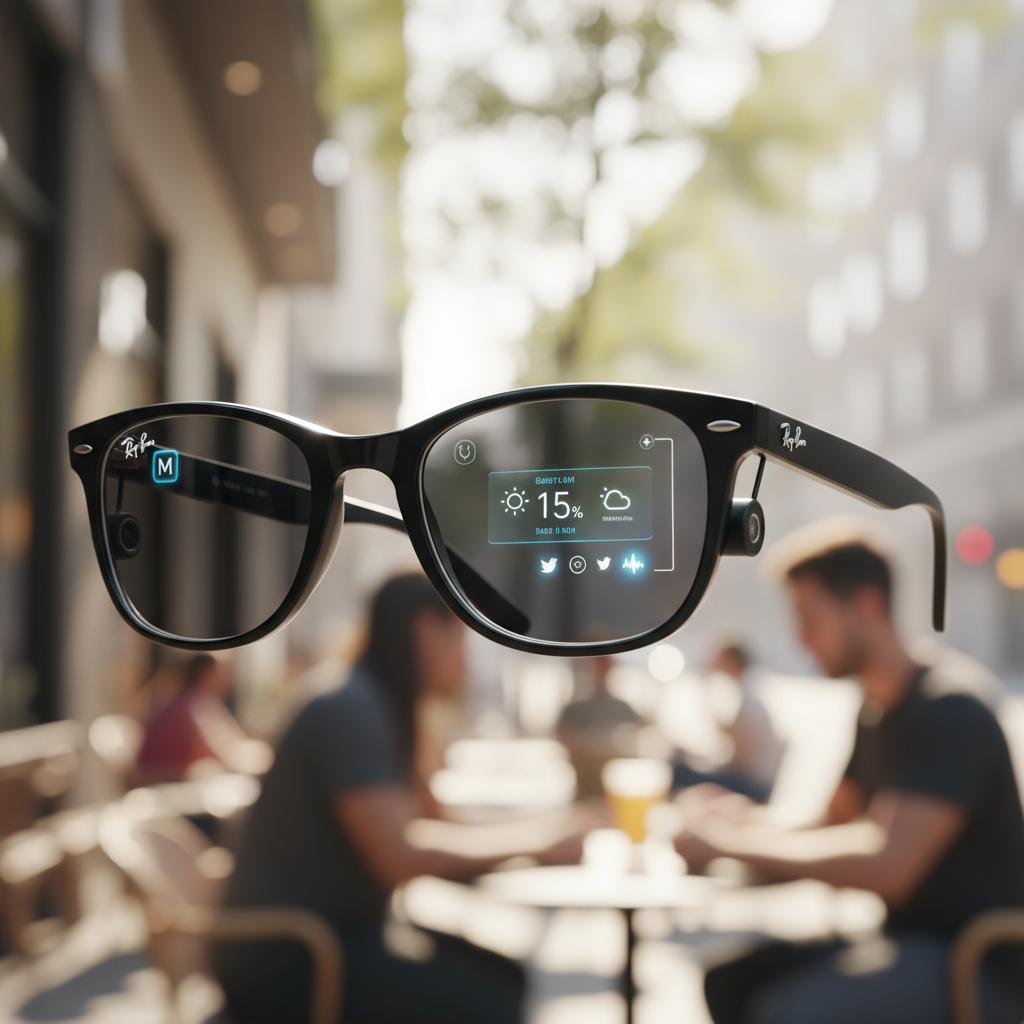
AI hardware has had a rough run. Humane’s Ai Pin struggled with reviews and product fit. Rabbit’s R1 drew attention, then faced hard questions about what the device could do better than a phone. Smart glasses, including Meta’s Ray-Ban line, have been more credible because they attach AI to a familiar form factor.
The Meta Muse wearable seems to sit somewhere else. It does not appear to chase the full smartphone replacement dream. It sounds more like a physical avatar for an agent, which is a different bet.
Why would Meta try this? Because chatbots inside apps are easy to ignore. A wearable can create habit. It can sit closer to the user, collect more signals, and form a more persistent loop between person and software.
That loop is the prize.
The Tamagotchi Angle Is More Than Nostalgia
The Tamagotchi reference is not just a retro gag. It points to care mechanics, streaks, status, and emotional feedback. In product design terms, those tools can increase retention. In plain English, they make you come back.
There is a cooking analogy here. A chatbot is like a recipe you open when you need it. A pet-like AI wearable is more like sourdough starter sitting on your counter. You may use it, but you also have to maintain it.
That can be charming. It can also become annoying fast.
What Could Muse Actually Do for You?
Meta has not turned this into a mass-market story yet, based on the TechCrunch report. So the useful question is not whether the device looks fun. It is what jobs a Muse wearable could handle better than your phone, watch, or earbuds.
A strong version would focus on short, repeatable actions:
- Personal reminders with context: Not just “buy milk,” but “you are near the store you usually visit.”
- Social memory: Help you remember names, plans, and follow-ups across Meta apps, if permission settings are clear.
- Creative prompts: Since the agent is called Muse, it could help with notes, captions, sketches, or brainstorming on the move.
- Light task routing: Send a message, save an idea, summarize a thread, or schedule something without opening five apps.
- Companion check-ins: A more emotional layer, though this is where Meta needs to tread carefully.
None of these tasks is seismic on its own. Together, they might justify a small wearable if the interface is fast and the agent is reliable. If you have to repeat yourself, wait for cloud responses, or babysit permissions, the whole thing falls apart.
The Hard Part: Trust
Meta’s biggest obstacle is not engineering. It is trust. A wearable tied to an AI agent could touch sensitive parts of your life, including location, habits, contacts, voice input, and maybe camera data if connected to other Meta devices.
That is where the company needs clear rules. Users should know:
- What the device records
- When it sends data to Meta servers
- How long personal context is stored
- Whether Muse memories can be edited or deleted
- Which apps and accounts the agent can access
Meta has the scale to make agent hardware mainstream. It also has a long history of privacy scrutiny from regulators, journalists, and users. That history does not make a product doomed, but it raises the bar.
And if the product uses emotional attachment as part of its design, transparency becomes non-negotiable. You should not need a law degree to understand what your AI companion knows about you.
Meta Muse Wearable vs. Smart Glasses and Phones
The phone is still the toughest rival. It has the screen, sensors, apps, battery, and payment system. Any new AI gadget has to beat the phone at a specific job, not in theory, but while you are standing on a sidewalk with one hand full.
Smart glasses have a clearer pitch. They see what you see, play audio, take photos, and can answer questions in context. A small Tamagotchi-like wearable needs a different reason to exist. Maybe it is more private than glasses. Maybe it is cheaper. Maybe it is meant to be playful rather than always-on.
But what happens after week two?
That question kills plenty of gadgets. The drawer is full of fitness bands, smart rings, voice assistants, and tiny screens that seemed useful until the phone did the same job well enough.
What Meta Should Get Right Before Launch
If Meta wants Muse hardware to work, it should avoid the trap that caught earlier AI devices. Do not sell magic. Sell a narrow set of things the product does well.
Here is the checklist I would use before taking it seriously:
- Clear daily purpose: The device needs a reason to be worn every day.
- Fast responses: Lag ruins agent interactions, especially on hardware.
- Local controls: Basic functions should work without constant cloud dependence.
- Visible privacy states: Users need to see when listening, syncing, or memory features are active.
- Low social weirdness: The device should not make every room feel like a product demo.
- Real deletion tools: If Muse remembers you, you must be able to make it forget.
The company also needs restraint. If the wearable begs for attention like an old virtual pet, it may spike engagement and damage goodwill at the same time. Nobody wants another needy screen.
The Bigger AI Agent Play
Muse fits into a larger industry push. OpenAI, Google, Anthropic, Microsoft, and Meta all want agents that can act across tools, not just answer questions. The missing piece is a natural interface. Text boxes are useful, but they are not always the best way to manage an agent that follows you through the day.
Hardware gives the agent a stage. It also gives companies new data, new habits, and new ways to keep users inside their systems. That is why this category matters even if the first products feel odd.
Meta has an advantage here because it already owns major consumer surfaces, including Instagram, WhatsApp, Facebook, Quest, and Ray-Ban Meta glasses. A Muse wearable could plug into that network. The upside is convenience. The downside is lock-in.
What to Watch Next
The Meta Muse wearable is worth watching because it tests a sharp idea: AI agents may need identity and presence, not just better models. Still, presence is not the same as value. If Muse becomes a helpful pocket coach, it could point to a new class of AI device. If it becomes a digital pet that mostly asks for care, users will move on.
My practical advice is simple. Watch for demos that show repeated daily use, not staged charm. Ask what data it keeps. Ask what it does when the network drops. And ask whether you would still wear it if it did not come from Meta.
The next wave of AI hardware will not be won by the cutest gadget. It will be won by the one you forget is there until it actually helps.