Meta’s Natural Gas Appetite and What It Means for Your Energy Plans
Your region may be staring at soaring power bills because Meta is racing to fuel new AI data centers with natural gas. The company’s pivot creates a supply tug-of-war for utilities and industrial buyers, and you need a plan to avoid getting squeezed. Meta data center natural gas demand is climbing fast, and the knock-on effects hit everyone from grid operators to manufacturers. The stakes are immediate: higher tariffs, tighter capacity, and tougher contract terms. You have options, but only if you map them now.
What matters now
- Meta’s gas-hungry data centers can spike local electricity prices and capacity commitments.
- Long-term power purchase agreements may lock you out if you wait.
- Dual-fuel flexibility and onsite generation blunt exposure to price shocks.
- Transparent engagement with regulators can shape fair cost recovery.
Meta data center natural gas reality check
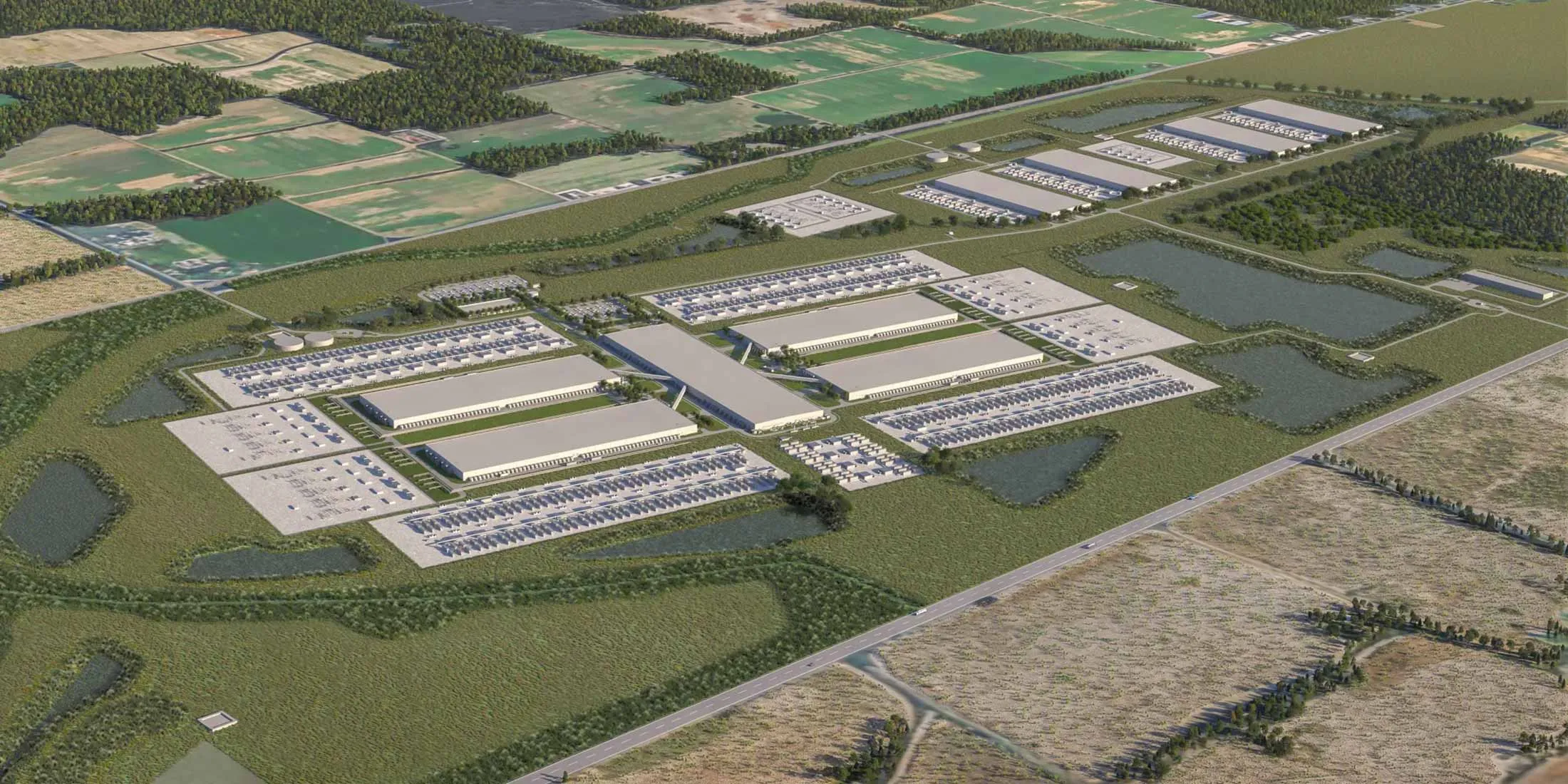
Meta’s latest buildout in South Dakota hinges on natural gas peaker plants to stabilize AI workloads that cannot tolerate lag. That strategy props up reliability for Meta, yet it shifts grid planning risk onto nearby businesses. Think of a baseball team signing every star hitter; ticket prices rise for everyone in the stadium. If you run large processes, you may find interruptible rates losing their discount edge as utilities chase guaranteed margins.
One sentence stands alone here.
“Large data campuses now behave like industrial loads that never sleep, forcing grids to chase them,” notes a utility planner I trust.
And what happens when winter demand collides with AI training peaks? The gas pipeline system strains, generators bid up, and you pay the tab unless you diversify your supply stack.
Planning around Meta data center natural gas risks
Start with your load profile. If you can shift non-critical processes, negotiate time-of-use relief before capacity is sold out. Lock partial volumes through multi-year contracts tied to a fuel cost index, not just headline power rates. Add demand response clauses that pay you for quick curtailment; it turns a liability into revenue.
- Secure hedges early: Pre-arranged gas and power blocks reduce volatility when Meta’s demand surges.
- Build flexibility: Consider CHP or battery systems sized for your critical lines (yes, even a 2 MW battery can bridge brief spikes).
- Push for transparency: Ask utilities to publish interconnection queues and generation additions so you see Meta-driven impacts coming.
Here’s the thing: regulators listen when mid-market employers show up with data, not complaints. Bring load forecasts and procurement benchmarks to hearings. You are aiming for cost allocation that does not saddle you with Meta’s reliability premium.
Local partnerships that actually help
Partner with neighboring facilities to form a buyer’s group. Aggregated demand secures better terms and shared storage assets. It is like a co-op kitchen where chefs split the cost of a commercial oven; everyone cooks faster without burning cash.
Evidence, not hype, wins negotiations
Utilities respond to proof. Track locational marginal prices before and after Meta’s interconnections. Document pipeline pressure alerts and correlate them with your spot gas invoices. If the data shows a pattern, you have leverage to request rate design tweaks or targeted infrastructure upgrades instead of blanket surcharges.
But do not ignore efficiency. Every avoided megawatt-hour lowers your exposure, and it signals good faith when you argue against across-the-board increases.
Where this leaves you
Meta’s growth will not slow, so your best move is to get proactive with contracts, flexibility, and evidence. Will you wait for the next rate case to decide, or will you lock in your position before the next AI-driven gas scramble?