Meta Smart Glasses and Privacy
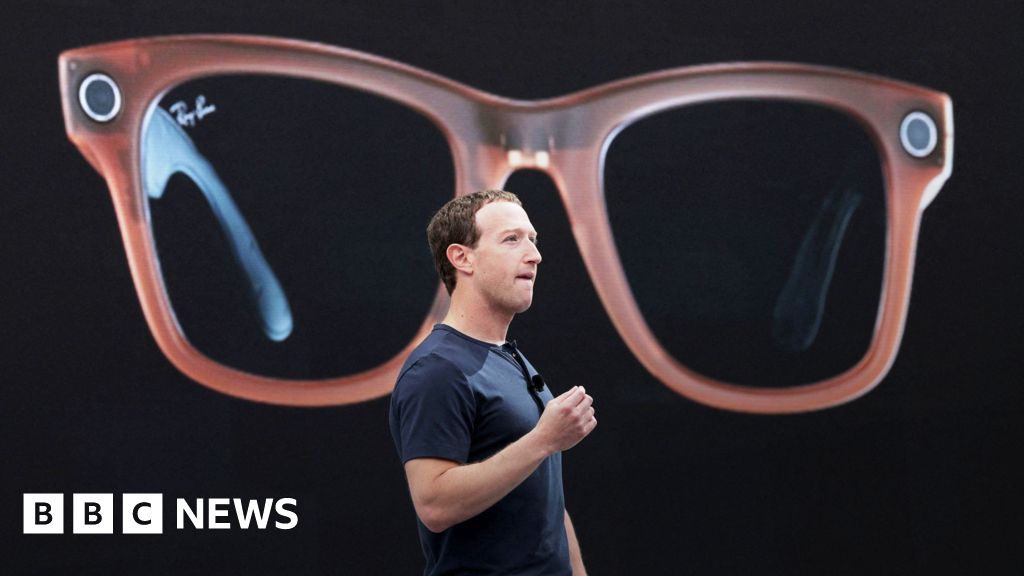
Meta smart glasses are turning a simple pair of frames into a constant sensor. That sounds useful until you think about what happens when a camera, microphone, and AI assistant ride along on your face all day. The privacy issue is not abstract. It affects the people around you, the places you enter, and the data that gets routed back to a company built on ads. If you are wondering whether these glasses are just a neat gadget or a serious surveillance problem, you are asking the right question. The answer depends on how the device works, what it records, and how much control you really have over the flow of that data. Meta smart glasses and privacy is not a niche debate. It is the core issue.
What to watch for with Meta smart glasses and privacy
- Always-on or easy-to-trigger cameras change what people can expect in public and private spaces.
- Voice features can collect more than a quick command if the settings are not tight.
- AI processing may happen partly on-device and partly in the cloud, which matters for data exposure.
- People around you may not know they are being recorded, even if the recording is legal.
- Your comfort level should depend on where you wear them, not on the marketing pitch.
Why Meta smart glasses and privacy collide so easily
These glasses sit at the worst possible intersection of convenience and surveillance. They are hands-free, socially normal-looking, and always within recording distance of your eyes. That makes them more sensitive than a phone camera, because they can capture what you see while you are talking, walking, shopping, or meeting people.
Look, a phone is obvious. Someone lifts it. They point it. They hold it up for a shot. Smart glasses blur that signal. A tiny LED or an audio cue may be the only warning, and that is easy to miss. Would you trust every stranger in a cafe if you could not tell whether their glasses were recording you?
Consent is the weak spot here. Tech can make recording easier. It cannot make bystanders comfortable.
How the data flow changes the risk
Meta has pushed these glasses as an AI device first and a camera second. That matters because AI features often depend on more data than the user expects. Voice prompts, image analysis, and cloud-based features can create a trail that goes beyond a single snapshot.
The practical risk is not only that the glasses record. It is that the recordings can become searchable, linked, and stored in ways that outlast the moment. The Electronic Frontier Foundation has long warned that wearable cameras can make public spaces feel monitored, and that pressure grows when a platform already runs a giant ad business. The architecture of the system matters. A lot.
Think of it like a restaurant kitchen with a glass wall. If the chef can see everything, the diners feel watched. Add sensors, timers, and a delivery app, and now the meal is also a data product. That is where these glasses start to feel less like eyewear and more like a logging device with lenses.
What you can control before you wear them
- Check the recording cues. Find out how the glasses signal that a camera or microphone is active. If the cue is subtle, assume people will miss it.
- Review voice retention settings. Turn off history or stored transcripts if the option exists.
- Limit cloud features. Use the smallest data path needed for the task.
- Know local rules. Laws on recording vary by place, especially for audio.
- Set your own boundaries. Do not wear them in meetings, schools, clinics, or anywhere trust is fragile.
One single setting can change the privacy profile of the whole device. That is why the setup screen deserves more attention than the box the glasses came in.
Meta smart glasses and privacy in public spaces
Public does not mean permissionless. People still expect some degree of social notice. If you walk into a small shop or a friend’s home wearing recording glasses, you have changed the room. Not legally in every case, but socially for sure.
There is also a power imbalance here. The wearer sees everything. The bystander gets very little say. That is why cities, campuses, and workplaces may eventually set their own rules. Some already do for cameras and voice recording. The policy gap will only get louder as the hardware gets lighter and cheaper.
Who bears the burden?
The burden usually lands on everyone else. Bystanders have to notice, ask questions, and opt out in the moment. That is backwards. Any device this intimate should make the owner carry the responsibility, not the person who happens to be standing nearby.
And yes, the legal line can be messy. But legal is not the same as acceptable. You know that from smartphone etiquette already. Smart glasses simply tighten the screws.
Should you buy them?
If you want hands-free capture for hiking, accessibility, or quick notes, the appeal is real. If you want an AI assistant that can see what you see, the convenience is real too. But if your main concern is privacy, you should assume the device creates new risks even when the company says it has safeguards.
My take is simple. Treat Meta smart glasses like a camera first and glasses second. That mindset will keep you honest about where they belong. If you would not take a phone call on speaker in that room, do not assume smart glasses are less intrusive just because they look smaller.
Where this goes next
The next fight is not whether smart glasses will exist. They will. The real question is whether users, bystanders, and regulators can set hard rules before the habit of ambient recording becomes normal. That is the line worth watching now. What happens when the next version gets better battery life, better AI, and a quieter light that nobody notices?