Microsoft AI Security Tools Aim at Rival Platforms
Security teams are getting buried under alerts, and the pitch for Microsoft AI security tools lands right in that mess. The company says its new products can beat competing platforms on key tasks, which matters because buyers are tired of paying for dashboards that still leave analysts doing the hard work by hand. If the claims hold up, this could change how SOC teams triage threats, write detections, and respond to incidents. If they do not, it is another loud vendor demo in a market that already has too many of those. The real question is simple. Does this help you reduce noise, or just move it to a fancier interface?
- The pitch is performance, not just automation. Microsoft is framing these tools as a direct challenge to rival security stacks.
- Benchmarks matter, but only in context. You need to know the test data, the tasks, and the failure modes.
- Integration is the hidden advantage. Microsoft can tie AI into its existing security and cloud products.
- Buyer caution is still wise. AI security tools can speed up work, but they also need human review.
What Microsoft AI security tools are trying to solve
Security operations has a volume problem. Analysts chase phishing reports, identity abuse, endpoint alerts, and cloud anomalies all at once. Microsoft is aiming its AI security tools at that clutter, with the promise that machine assistance can sort the signal from the noise faster than competing platforms.
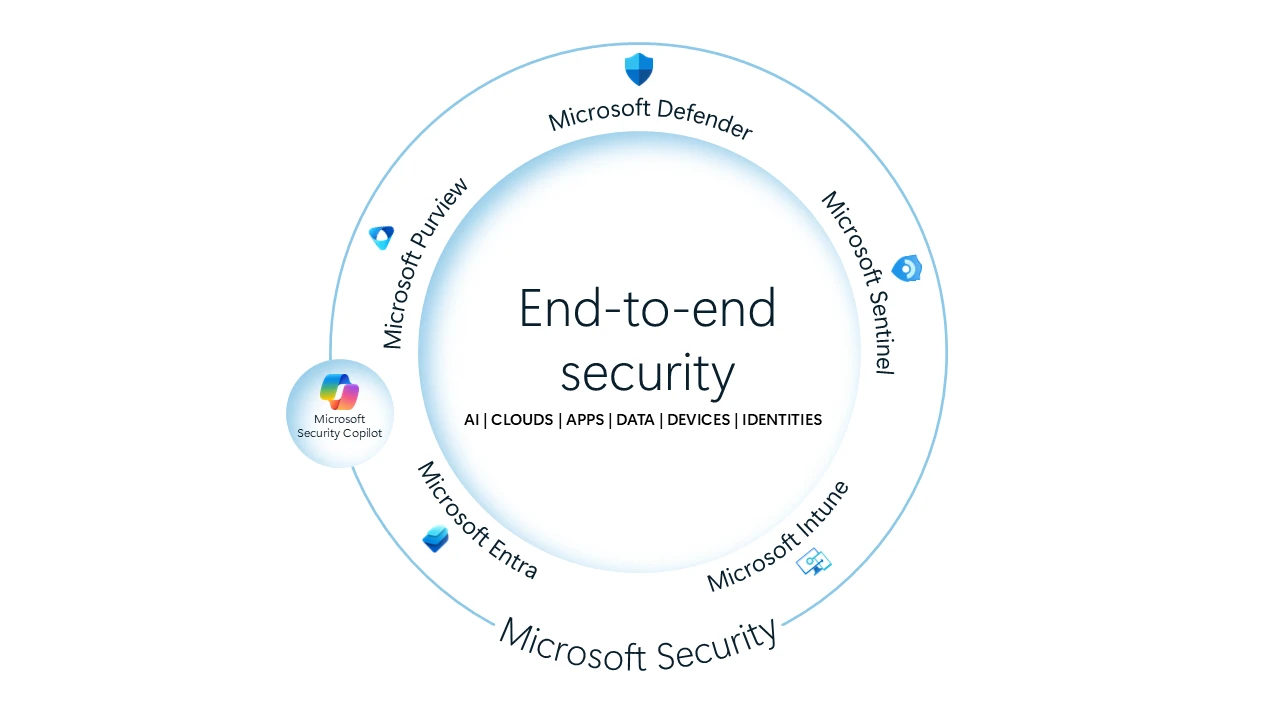
That sounds good. It also sounds familiar. Every major security vendor now says its AI can save time, cut fatigue, and improve response. The difference here is scale. Microsoft already sits inside many enterprises through Microsoft Defender, Sentinel, Entra, and Azure, so an AI layer can plug into systems you already run instead of asking you to bolt on another console.
Think of it like renovating a kitchen. A flashy new appliance is nice, but the real gain comes if it fits the cabinets, wiring, and workflow you already have. Otherwise you just bought a problem with a touchscreen.
Why the Microsoft AI security tools claim matters
Microsoft is not just saying the tools are helpful. It is saying they outperform competing platforms. That is a stronger claim, and one buyers should treat carefully.
Outperform on what, exactly? Faster triage? Better alert correlation? Higher detection precision? Lower false positives? Each metric tells a different story. A system that wins on one benchmark may still stumble in a live environment where attackers change tactics and logs are incomplete.
Benchmarks are useful, but they are not the field. If a vendor does not explain the test setup, the data sources, and the human oversight involved, the result is marketing with a lab coat on.
Microsoft has a long record of turning product integration into market power. That does not automatically make the security AI better. But it does mean the company can bundle identity, endpoint, cloud, and email signals in a way many rivals cannot match. In security, context is everything.
How these tools could change daily security work
If Microsoft’s AI tools work as advertised, the biggest gain will be time. Not abstract time. Real minutes recovered from routine work that drains analysts all day.
- Faster triage. The system can summarize alerts and rank likely priorities.
- Better investigation support. Analysts can ask for related entities, timelines, and probable attack paths.
- Cleaner response workflows. AI can help draft containment steps and handoffs.
- Less context switching. If the tools live inside the Microsoft stack, teams spend less time jumping between products.
That last point is not small. A lot of security software fails because it asks humans to play courier between half a dozen tabs. AI does not fix bad architecture, but it can reduce some of the friction (if the data is clean and the permissions model is sane).
Microsoft AI security tools and the buyer’s checklist
Look past the launch language and ask a few hard questions before you bet on any AI security platform.
- What data does it use? Endpoint telemetry, identity logs, email signals, cloud events, or all of the above?
- How does it handle uncertainty? Does it explain confidence or just spit out a verdict?
- Can your team audit it? You need traceable output, not black-box theater.
- What happens when it is wrong? False positives and false negatives both cost money.
- How much of the workflow still needs a human? If the answer is “most of it,” that is not a failure. That is reality.
And remember the procurement trap. A tool that looks brilliant in a demo can slow you down once it meets your identity model, your logging gaps, and your incident process. Real buyers know this. They ask for a pilot, then they break it on purpose.
What to watch next
The next test is not the announcement. It is deployment. Does Microsoft publish enough detail for customers to verify the claims? Do third-party analysts reproduce the results? Do security teams report real reductions in workload, or only prettier summaries?
That is where this story gets interesting. If the AI truly helps security teams move faster without hiding the reasoning, rivals will have to respond with more than slogans. If not, the market will keep doing what it has done for years, which is selling automation that still depends on a tired human at 2 a.m.
For now, the smart move is to treat Microsoft AI security tools as a promising option, not a verdict. Ask for evidence. Test the workflow. Then decide whether this is the rare security product that earns its keep, or just another badge on the dashboard.