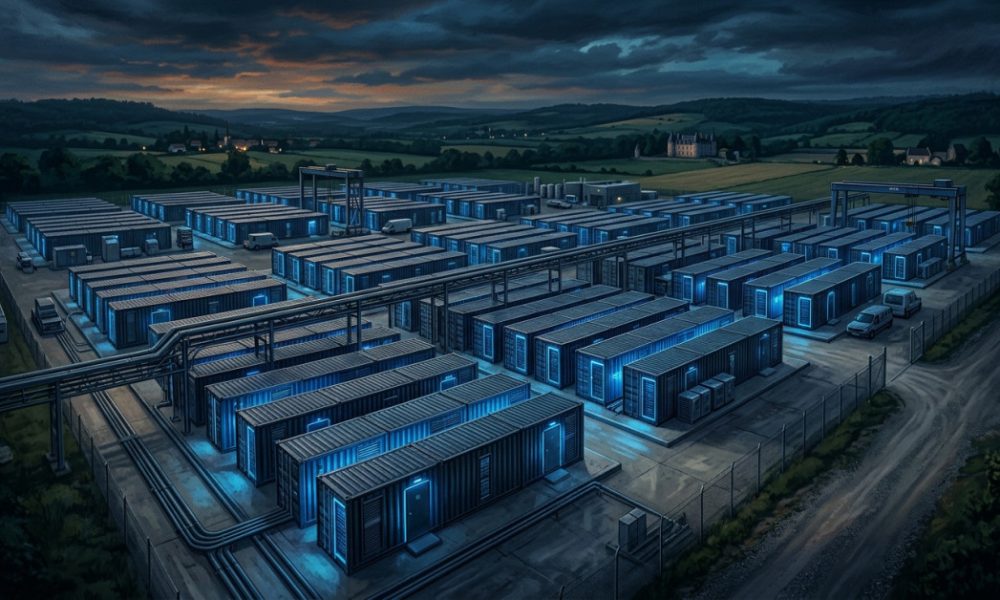
Mistral AI’s $830M Debt Play: Building a Paris-Area Data Center
Mistral AI just locked in $830 million in debt to build a data center outside Paris, signaling that European AI players are done waiting for transatlantic capacity scraps. This Mistral AI data center funding matters because it shifts capital strategy: instead of another equity splash, the startup chose cheaper debt to secure GPUs and power at home. If you are betting on European AI services, local latency and data residency are suddenly within reach. But does this bet de-risk their roadmap or pile on pressure in a market racing toward 2027 GPU scarcity? The clock is ticking, and your own infrastructure choices now look very different.
Quick Highlights
- $830 million debt raise to build a Paris-area data center focused on AI training and inference.
- Debt structure preserves equity while accelerating hardware acquisition amid GPU shortages.
- Local capacity targets European sovereignty, latency, and compliance advantages.
- Signals a shift from hyperscaler dependence toward self-owned infrastructure in the EU.
Why Mistral AI Data Center Funding Shifts the Game
Debt instead of equity means founders keep control while racing for capacity. That is gutsy, but it cuts interest checks before revenue scales. The new site near Paris reduces cross-Atlantic lag and keeps sensitive datasets inside EU borders, which matters for finance, healthcare, and public sector buyers. Think of it like a team building its own stadium rather than renting time on someone else’s field: ownership brings freedom, but maintenance never stops.
One thing is clear.
Look, the GPU crunch is real, and Europe has often played second string behind U.S. hyperscalers. By placing racks close to customers, Mistral can promise faster inference for LLMs and voice models while meeting GDPR expectations. But can they fill the facility with paying workloads fast enough to cover debt service?
As someone who has watched countless cloud buildouts, I respect the audacity here. Debt is cheaper than equity, but only if you move fast enough to outrun the interest meter.
How to Read the Debt Stack
Here is the thing: debt forces discipline. It also signals lenders see predictable cash flows ahead (or at least solid collateral in GPUs). You should ask three questions now. First, how much of the $830 million goes to compute vs. power and cooling? Second, what is the timeline to first customer workloads (think sub-18 months)? Third, how will they balance research burn with colocation revenue?
- Check for offtake agreements: prepaid capacity from enterprise clients lowers risk.
- Track energy sourcing: reliable, lower-carbon power near Paris will be a sales point.
- Watch hardware cadence: staggered GPU deliveries reduce idle capital and interest drag.
Operational Moves You Can Borrow
If you run AI products in Europe, borrow the playbook without copying every move. Start with a hybrid approach: keep R&D on cloud burst capacity while locking core inference to regional colocation. And when you negotiate with suppliers, ask for visibility on delivery batches to avoid stranded cash. Why not model your own debt vs. equity split using a simple payback calculator to see if a similar path fits?
But do not ignore the human side: skilled data center ops talent near Paris is finite. Hiring early beats bidding wars later.
Mistral AI Data Center Funding and Market Timing
GPU prices may soften if new competitors land 2027 supply, but the near-term window still favors those who secure chips now. This move positions Mistral to offer training as a service to European startups that cannot wait for cloud quotas. It is like a restaurant buying a farm to guarantee fresh produce (with a big mortgage attached). If demand spikes, they win. If not, they own a costly asset.
And yes, there is a rhetorical question hanging over this: will regulators view in-house capacity as a sovereignty boost or another concentration risk?
What to Watch Next
Keep an eye on permit approvals, power contracts, and any hint of strategic partners beyond lenders. Expect early customers to include public sector AI pilots that need local data control. If Mistral nails low-latency routing and transparent pricing, they can peel workloads from hyperscalers, at least in France. If delays stack up, interest costs will bite before revenue arrives.
This story is still unfolding, but the signal is loud: build where you sell, and do it before the GPU shelves empty.
Where This Leaves Your Roadmap
For your own AI plans, map latency-sensitive features to regional capacity and keep bursty experiments in the cloud. Consider debt only if you have line of sight to usage and contracts. Use this announcement as a prompt to revisit vendor lock-in, SLAs, and data residency commitments with your teams (and your board). Debt is not glamorous, yet it might be the most practical bridge to AI scale in Europe right now.
Looking Ahead
Expect copycat builds across Europe as startups chase sovereignty and speed. The question is whether demand will meet all this fresh supply. Place your bets, but place them with a clear eye on cash flow and contract discipline.