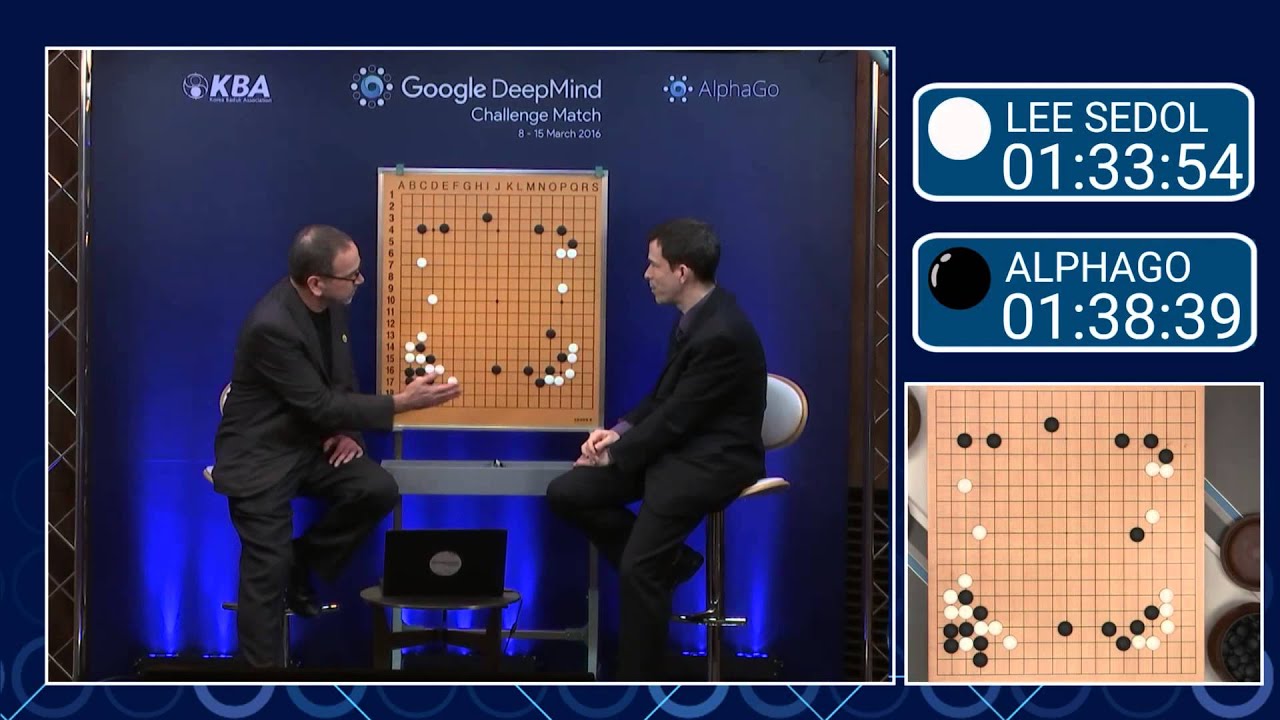
Move 37 and the Rise of AlphaGo
Move 37 still matters because it exposed a real problem for anyone tracking AI: machines can now make choices that look alien to human experts and still be right. That is the core lesson behind Move 37, the famous AlphaGo move that shocked professional Go players and helped turn Demis Hassabis and Google DeepMind into names people outside tech could not ignore. If you are trying to understand why that moment became a reference point in AI history, you need more than the headline. You need the mechanics, the stakes, and the reason it still shapes how people talk about machine intelligence today. Was it a fluke, a trick, or a genuine shift in what AI could do? The answer is more unsettling than any of those.
Why Move 37 still gets attention
- It broke human expectations. AlphaGo played a move that top players called strange, then brilliant.
- It changed the AI conversation. The public started seeing AI as something that could surprise experts, not just imitate them.
- It made DeepMind a serious force. Google’s bet on Demis Hassabis looked a lot less experimental after Go.
- It showed the value of training at scale. AlphaGo combined neural networks, reinforcement learning, and self-play in a way that felt seismic.
What made Move 37 different?
Go is a brutal test for AI because the number of possible board states is enormous. For years, many researchers treated it like a mountain machines would climb much later, if ever. AlphaGo did not win by copying human opening books. It learned patterns from data, then refined its play through repeated games against itself.
Move 37 came during a match against Lee Sedol in 2016. Human commentators initially thought the move was weak. Then the position developed, and the move made more sense than any standard human response. That is why the moment landed so hard. It was not just that a machine won. It was that the machine found a line of play that looked wrong to experts and still held up under pressure.
AlphaGo did not merely beat a champion. It forced experts to admit that machine judgment could leave human intuition behind in a narrow, high-stakes domain.
Why Demis Hassabis mattered
Demis Hassabis was not selling fantasy. He was building research discipline around a hard problem, and that distinction matters. As the founder of DeepMind, he pushed the idea that games could serve as training grounds for general problem solving. Chess had already been solved by brute force. Go was different. It demanded pattern recognition, long-term planning, and a tolerance for positions that do not fit neat rules of thumb.
That bet paid off because Hassabis and his team treated AlphaGo like an architecture problem, not a publicity stunt. Think of it like designing a bridge. You do not admire the paint first. You study the load-bearing structure. DeepMind’s structure was self-play, reinforcement learning, and neural nets working together. The result was a system that could outthink human convention in one of the oldest strategy games on the planet.
What Move 37 changed for AI research
1. It made self-play respectable
Before AlphaGo, self-play sounded niche. After AlphaGo, it became a serious technique for training systems in environments where labeled examples are scarce or limited. Researchers saw that an agent could improve by fighting itself, then use that feedback loop to sharpen decision-making.
2. It raised expectations for AI surprise
People stopped asking only whether a model could match a human answer. They started asking whether it could find a better one. That shift still affects how people judge systems in science, finance, design, and logistics.
3. It exposed the gap between fluency and understanding
AlphaGo was narrow, but its success helped create a dangerous assumption that any fluent system must also reason well. That assumption has caused plenty of hype since. A model can sound confident and still be wrong. Move 37 is a reminder that real competence comes from structure, training, and domain fit, not polished output.
What the public often misses about the story
The drama around Move 37 can hide a blunt fact. AlphaGo was not general intelligence. It was a specialized system built for a specific game with clear rules. That matters. A grand slam is still a grand slam, but it does not make a player good at every sport. The same logic applies here.
That said, dismissing the moment as “just a game” misses the point too. Games have always been a proving ground for AI. They compress strategy into measurable outcomes, which is exactly why they reveal so much about methods that later show up in other fields. The real story is not that AI beat Go. It is that one move changed what serious people thought machines could do next.
What you should watch now
If you care about AI progress, do not get hypnotized by demos. Look at whether a system can improve through feedback, handle long chains of decision making, and produce results that experts cannot easily dismiss. That is where the useful signal lives.
Move 37 still matters because it set a higher bar for evidence. Not for hype. For evidence. And that is the standard the AI industry keeps trying, and often failing, to meet.
So the next time someone says a model is impressive, ask a harder question: does it understand the problem, or is it just performing well on familiar ground?
Sources and context
The reporting on Demis Hassabis and Google DeepMind around AlphaGo continues to shape how the industry tells this story, including coverage in The Wall Street Journal.