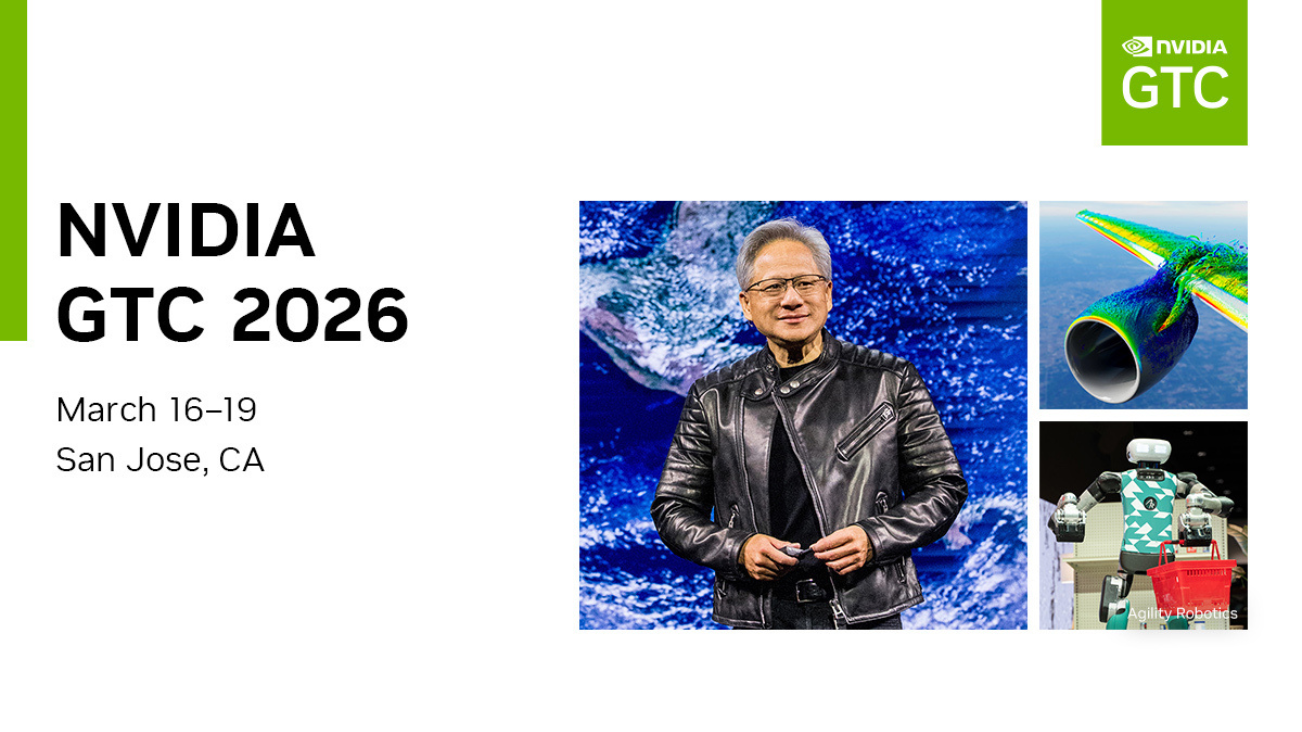
Nvidia GTC 2026 Announcements That Matter for Builders
You wanted to know which GTC headline moves the needle for your roadmap, and why it matters now. Nvidia GTC 2026 announcements reshaped expectations on training efficiency, inference economics, and edge AI deployment. Budgets are tight, timelines are brutal, and partners are already asking how you will respond. This guide cuts through the press-release glitter and tells you what to test first, what to ignore, and where to push vendors for answers. The best part: you can act on these moves this quarter without burning your team out.
Rapid Hits You Should Not Miss
- Training stack overhaul: new Blackwell refresh claims higher tokens per watt.
- Inference focus: spectrum from data center racks to compact edge kits.
- Networking story: tighter CUDA-NVLink-Network integration for lower latency.
- Software push: CUDA updates, NIM microservices, and Guardrails tuning.
Why the Blackwell Refresh Matters for Your Models
Look, Nvidia’s Blackwell update is pitched as incremental, yet the claimed tokens-per-watt jump changes capacity planning. Think of it like swapping a gas car for a hybrid: same routes, fewer stops. If you are training long-context models, the faster HBM access alone could shave days off big runs. But can you trust the slideware? Ask for audited MLPerf numbers and insist on your own microbenchmarks before shifting capital budgets.
Do not re-architect your pipeline until you see stable firmware and compiler support in your own stack.
Single-sentence paragraphs still hit: Test one workload before you commit the cluster.
mainKeyword in Edge AI: What Moves Beyond Hype
Nvidia pushed hard on edge kits that pair trimmed-down Blackwell parts with updated Jetson software. The idea is to keep vision and speech models close to sensors to cut latency. That sounds great, but do you have the ops maturity to manage updates across hundreds of boxes? Treat it like running a restaurant chain—every kitchen needs the same ingredients and prep steps or you end up serving chaos. Set a baseline image, automate over-the-air updates, and use canary rollouts so a bad driver does not brick remote units.
Networking and Software Stack That Actually Reduces Latency
New NVLink and Spectrum updates promise tighter coupling between GPUs and switches. And yes, that helps, but only if your topology and job scheduler know how to use it. Verify support in Slurm or Kubernetes with MIG-aware scheduling. On the software side, CUDA and NIM microservices finally feel like a coherent bundle rather than a parts bin. Guardrails tuning is welcome, though you should plan red-team time to probe prompt injection gaps. Without that, your safety story is paper-thin.
How to Evaluate the Claims
- Bench on your own data: synthetic tests hide contention patterns.
- Track firmware cadence: early releases often break profiler tools.
- Model mix matters: measure both dense and MoE workloads.
- Watch thermals: tokens per watt only land if cooling is dialed in.
And here is the thing: vendors will chase you with bundle discounts. Ask for power and networking cost breakdowns to see the real TCO.
What Should Teams Do This Quarter?
Start with a pilot: one Blackwell node, a realistic MoE model, and your current inference stack. Compare latency and cost per 1,000 tokens against your baseline. If gains are solid, lock in a phased upgrade tied to firmware milestones. Keep an eye on edge kits for computer vision if you run warehouses or retail floors; the compact form factor looks promising, but you need proof it survives dusty racks. Remember, like building a good basketball offense, spacing and timing matter more than flashy dunks—your pipeline orchestration decides whether hardware gains show up in user-facing metrics.
Where Nvidia GTC 2026 Announcements Leave You Next
So, what now? Push for hands-on eval units, schedule a week for profiling, and pressure Nvidia reps for transparent benchmarks. If the numbers hold, your roadmap gets breathing room. If not, you still gained clarity on where to invest engineering time. Are you ready to ask tougher questions in the next vendor call?