NVIDIA Rubin and Liquid Cooling in Data Centers
AI infrastructure keeps hitting the same wall. Chips get faster, racks get denser, and air cooling starts to fail under the heat. That is why liquid cooling in data centers matters now, not as a nice upgrade but as a practical requirement for the next wave of NVIDIA systems. Rubin is a good example of where this is going. The platform pushes more compute into tighter spaces, which means operators have to rethink power, cooling, and layout at the same time.
Look, this is not a cosmetic change. If you run or buy capacity for AI, the cooling stack can shape your costs, your deployment speed, and even the hardware you can choose. And the market is moving fast enough that waiting is a bad bet.
What stands out in NVIDIA Rubin and liquid cooling in data centers
- Higher thermal density means more heat per rack, which makes traditional air setups harder to rely on.
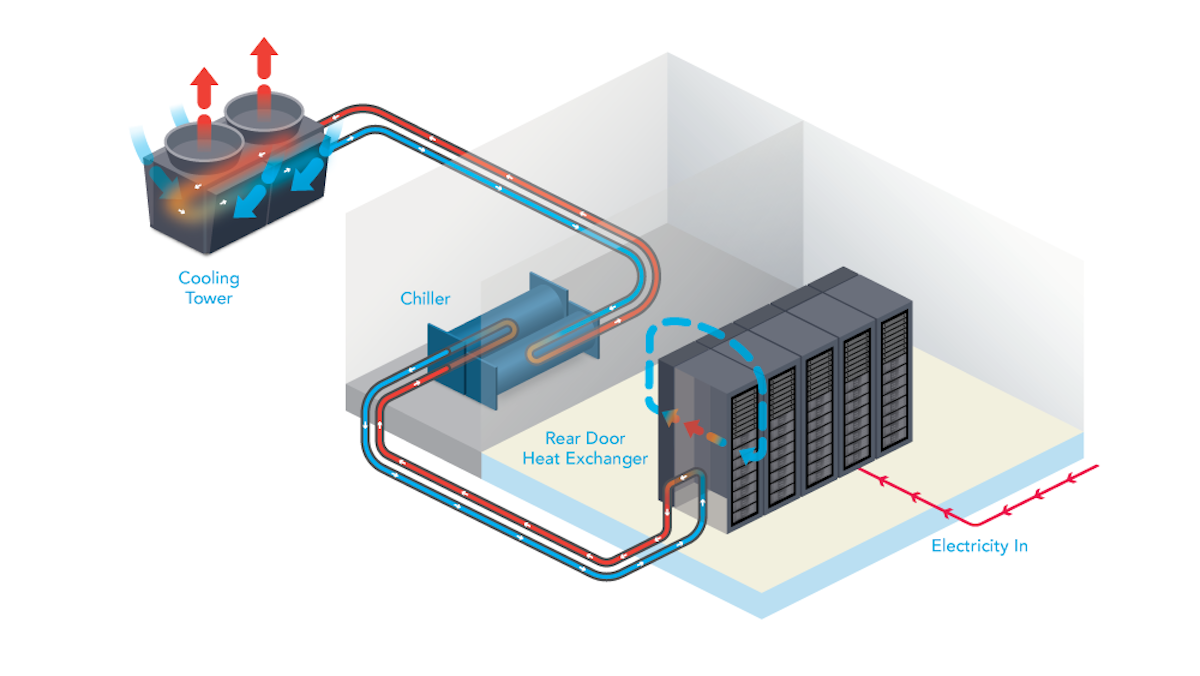
- Liquid cooling in data centers helps move heat more efficiently and can support tighter AI deployments.
- Rubin signals the direction of travel for hyperscalers, colocation providers, and enterprise buyers building AI capacity.
- Infrastructure planning now matters as much as chip choice, because power and cooling are part of the product.
Why liquid cooling in data centers is becoming non-negotiable
Air cooling works well until it does not. Once rack power climbs far enough, fans and chilled air start to look like a bicycle pump trying to cool a kitchen oven. That is the problem NVIDIA and its customers are running into with next-generation AI systems.
The basic physics are simple. Dense accelerators produce a lot of heat in a small footprint, and heat removal becomes the limiting factor. Liquid cooling moves that heat more directly, which can reduce hot spots and make higher-density designs easier to operate.
“Cooling is no longer a back-office utility. It is part of the compute stack.”
That point matters because it changes procurement decisions. A buyer is no longer asking only which GPU or system to pick. You are also asking whether your facility can support it without expensive retrofits.
What NVIDIA Rubin suggests about the next server buildout
NVIDIA has spent years pushing the industry toward larger, more tightly integrated AI systems. Rubin fits that pattern. The platform raises the pressure on data center operators to design for heat before they install the hardware (which is the sensible order, even if it is not the common one).
Here is the practical read: if your site cannot support direct-to-chip or other liquid cooling methods, your access to the newest AI gear may narrow. That affects hyperscalers, but it also matters for enterprises buying managed AI services. Someone, somewhere, still has to pay for the pipes, pumps, and maintenance.
Where the costs show up
- Facility upgrades, including manifolds, cooling loops, and water handling.
- Operational complexity, because liquid systems need different monitoring and service procedures.
- Planning delays, since power, cooling, and rack layout must be coordinated earlier.
- Vendor lock-in risk, because some designs fit certain thermal setups better than others.
Honestly, that last item gets glossed over too often. The hardware choice can lock you into a cooling path just as surely as it locks you into an interconnect or software stack.
How operators should respond now
If you manage data center capacity, the best move is to treat thermal design as a first-class planning item. Do not bolt it on later. That is how projects slip, budgets blow out, and launch dates drift.
Start with three questions. What is your expected rack density? What cooling methods can your site support today? And how much expansion room do you have if the next GPU generation runs hotter? Those answers will tell you whether liquid cooling in data centers is a near-term requirement or a staged upgrade.
You should also talk to both facilities teams and AI platform owners early. They often work in separate lanes, but the next generation of systems makes that separation expensive. A server spec that looks fine on paper can become a liability once it meets a real building.
What this means for buyers and builders
The NVIDIA Rubin story is less about one chip family and more about a shift in assumptions. AI hardware is now forcing a redesign of the room it lives in. That is a big deal.
If you buy AI capacity, ask vendors how they handle liquid cooling, serviceability, and failure modes. If you build data centers, pressure-test your thermal plan against future rack densities, not just current ones. The winners will not be the loudest sellers. They will be the teams that can ship compute without turning cooling into a bottleneck. What else would matter more than that?
Next step: map your next AI deployment against power and thermal limits before you commit to the hardware order.