Klaviyo Acquires Elias Torres Agency in Full-Circle Reunion
Software buyers are tired of hearing that every new acquisition will “change everything.” Most of the time, it does not. But Klaviyo acquisition news tied to Elias Torres is worth a closer look because it sits at the messy intersection of product, services, and the way growth teams actually work. If you run a startup or a marketing operation, you already know the pain. Tools are easy to buy. Getting them to produce real revenue is the hard part.
This deal matters now because email, SMS, CRM data, and AI-led automation are all converging. Klaviyo has spent years pushing deeper into commerce marketing, while founders and operators keep asking for software that feels less like a dashboard and more like a working system. What happens when a platform absorbs agency know-how? That is the real question here.
What stands out in the Klaviyo acquisition
- The deal blends product with services. That usually means Klaviyo wants tighter execution, not just more features.
- Elias Torres brings operator credibility. He has worked close to the pain points marketers feel every day.
- The timing fits the market. Buyers want AI help, but they still need human-grade setup and judgment.
- This could reshape onboarding. Agencies often know where customers get stuck before software teams do.
Why this Klaviyo acquisition makes strategic sense
Klaviyo already sells into a market that hates friction. Retail and consumer brands want faster campaigns, better segmentation, and cleaner data flow across channels. That sounds simple until you see the stack behind it. CRM records, attribution, consent rules, and content production all need to line up. They rarely do.
Buying an agency can fix a different problem than buying another product company. It gives Klaviyo access to the people who have spent years turning a platform into outcomes. Think of it like a kitchen buying the chef’s prep station, not just another oven. The oven is useful. The prep work is where the meal gets saved or ruined.
Platforms do not win because they promise more features. They win when customers can set them up, trust them, and see value fast.
That is why this Klaviyo acquisition looks less like a vanity move and more like a control point grab. The company may be trying to reduce the gap between what its software can do and what customers can actually deploy. And that gap is where churn lives.
What Elias Torres brings to the table
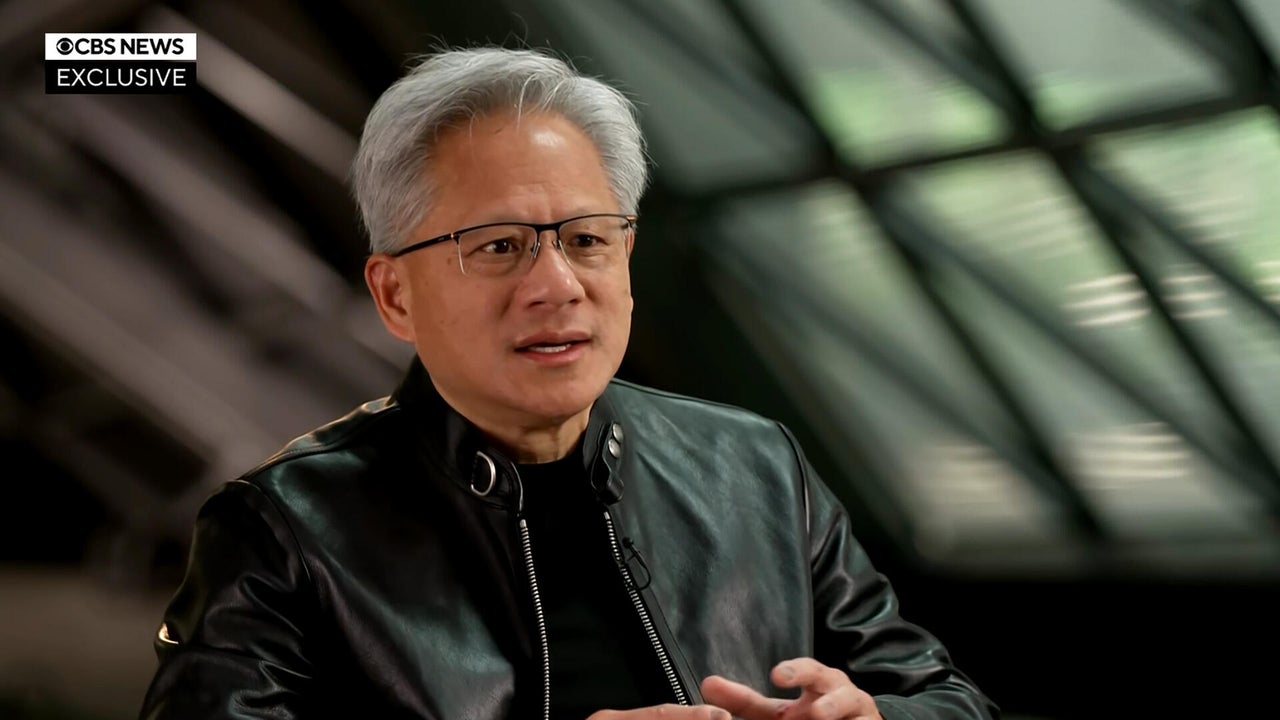
Elias Torres is not being bought for a name on a slide deck. He brings a founder’s view of how teams use software under pressure. That matters because marketing tools fail in boring ways. They fail when a campaign is late, when a list is dirty, or when the workflow is too clumsy for a small team to maintain.
His agency experience also adds a layer many SaaS firms underestimate: real implementation work. Plenty of vendors talk about automation. Fewer know how to get a customer from blank account to working system without three months of back-and-forth. That is a commercial advantage, not a side note.
Why agency know-how is valuable in AI software
AI features are easy to demo and hard to operationalize. A model can draft copy or suggest segments, but it still needs context, rules, and human review. Agency teams live in that middle layer. They know which data fields matter, which workflows break, and which promises sound good but fail in production.
That is the non-negotiable part. AI can speed up work, but it cannot guess your business rules from thin air.
What customers should watch next
- Onboarding changes. Will Klaviyo use the acquisition to shorten time to value?
- Service packaging. Will more hands-on help get bundled into enterprise offers?
- AI workflow depth. Will the company turn agency lessons into product features?
- Channel focus. Does this strengthen its push beyond email into broader customer messaging?
Look, customers do not care about corporate reunion stories. They care about whether the tool gets them more revenue with less manual work. If the acquisition stays at the level of talent and headlines, it will fade fast. If it changes setup, segmentation, and campaign execution, that is different.
And there is another angle here. Klaviyo is signaling that software alone is not enough. It wants the service layer too, because that is where adoption gets won. Will other SaaS companies copy that playbook, or keep pretending product alone can close every gap?
What this says about the market
The broader market keeps rewarding companies that can make AI practical. Not flashy. Practical. That means fewer grand promises and more workflow control, better defaults, and faster implementation. Buyers are getting sharper. They can spot theater quickly.
This Klaviyo acquisition fits that shift. It suggests the next wave of competition will not only be about feature depth. It will be about who can make the messy middle of marketing ops feel manageable.
That is where the real fight is. And it is only getting more interesting.
What to watch next
Keep an eye on whether Klaviyo turns this deal into product changes, new services, or a tighter enterprise motion. If it does all three, competitors will have to respond. If not, the acquisition will look a lot smaller than it sounds today.
For founders and operators, the lesson is plain. Buy tools that can be deployed, not just admired. What good is AI if your team cannot get it running before the quarter ends?