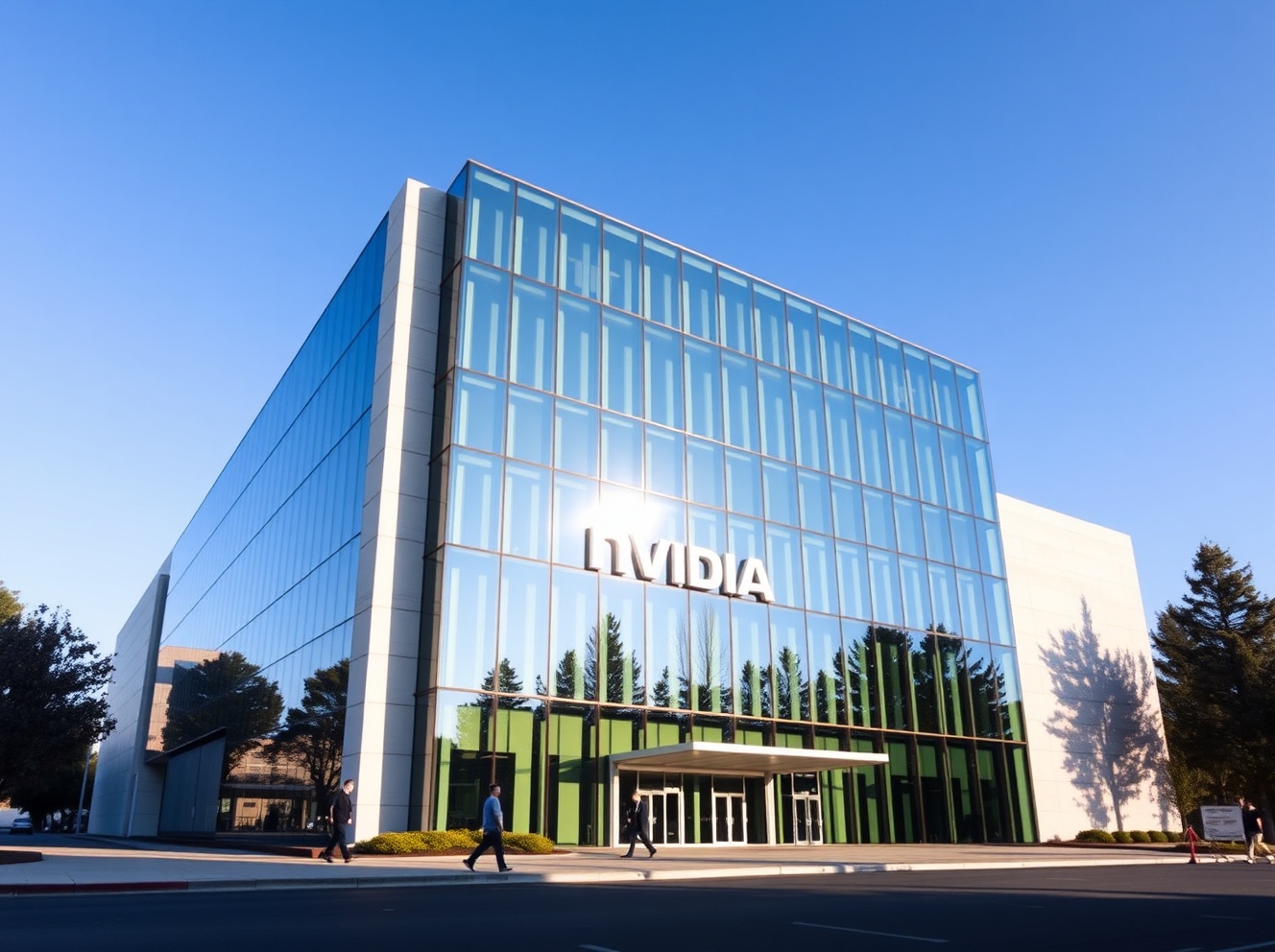
Nvidia Startup Holdings Hit $4.3 Billion
You are watching Nvidia from two angles at once. One is the earnings machine that keeps posting huge AI-driven revenue. The other is a quieter story with longer consequences: Nvidia startup holdings reached $4.3 billion, according to its latest disclosure tied to another record quarter. That matters now because Nvidia is no longer just selling chips into the AI boom. It is also placing bets across the startup stack that depends on those chips. If you track AI infrastructure, competition, or venture money, this is the part worth your attention. A company with Nvidia’s reach can shape markets through product roadmaps, pricing power, and capital allocation. Add startup investments to that mix, and the company starts to look less like a supplier and more like a kingmaker.
What stands out
- Nvidia startup holdings now total $4.3 billion, a striking sign of how broad its AI influence has become.
- The company paired that disclosure with another record quarter, which shows it has the cash to keep backing the ecosystem around its chips.
- These investments can strengthen Nvidia’s platform position by helping startups build on CUDA, GPUs, and related AI infrastructure.
- They also raise fair questions about market concentration, competitive pressure, and how much sway one vendor should have over the next wave of AI companies.
Why Nvidia startup holdings matter beyond earnings
Earnings headlines are easy to absorb. Revenue up. Demand strong. AI spending still hot. But the more revealing number may be the $4.3 billion in startup stakes because it hints at how Nvidia thinks about control.
Look, chip companies have always tried to build ecosystems around their products. That is normal. What feels different here is the scale. Nvidia is selling the picks and shovels, yes, but it is also buying slices of the gold rush.
That changes the conversation.
If you are a startup building AI tools, model infrastructure, robotics, autonomous systems, or data platforms, Nvidia is not just a vendor. It may be a partner, investor, and platform gatekeeper all at once. That can be helpful. It can also get messy.
Nvidia is no longer only powering the AI market. It is steadily wiring itself into the ownership layer of that market too.
How Nvidia uses startup investments to extend its AI moat
The simplest way to read Nvidia startup holdings is as a defensive move wrapped inside an offensive one. The company wants more demand for GPUs, more software loyalty, and more real-world AI applications that depend on its stack.
Think of it like a stadium owner who also buys stakes in teams, media rights, and food vendors. Each piece supports the others. And if the setup works, everyone entering the venue pays you in some form.
That strategy can show up in a few ways:
- Platform lock-in. Startups that build around Nvidia hardware and software are more likely to stay there as they scale.
- Early visibility. Investments can give Nvidia a clearer view into where demand is heading across generative AI, edge computing, and enterprise deployment.
- Category shaping. By backing certain startups, Nvidia can help push specific technical approaches or infrastructure standards.
- Demand creation. A funded startup that succeeds often becomes a larger buyer of GPUs, networking gear, and developer tools.
Honestly, this is smart business. But smart business at this scale always invites scrutiny.
Should you worry about Nvidia’s growing influence?
Maybe. The answer depends on where you sit.
If you are an enterprise customer, Nvidia’s startup web could be good news. You may get a more mature ecosystem, faster product development, and tighter integration across hardware and software. That lowers friction (at least in the short term).
If you are a rival chipmaker or an independent startup, the view is less comfortable. Nvidia already has weight in AI accelerators, developer tooling, and data center relationships. Add capital to that stack, and it can tilt the field before products even fully mature.
And here is the question hanging over all of it: when does ecosystem support become ecosystem control?
This does not mean every Nvidia-backed company gets unfair advantages, and it does not mean the strategy is improper by default. Still, regulators and large customers tend to notice when one company becomes deeply embedded across supply, software, and ownership.
What the record quarter says about Nvidia’s next moves
A record quarter gives Nvidia more than bragging rights. It gives the company room to keep spending while others stay cautious. Cash flow matters here because startup investing is easiest when your core business is throwing off huge profits.
That is the hidden force behind the latest disclosure. Nvidia can keep expanding in several directions at once:
- AI chips and accelerators
- Networking and data center infrastructure
- Software and developer ecosystems
- Strategic startup investments
- Partnerships across cloud, enterprise, and sovereign AI projects
Few companies can pull that off without tripping over their own balance sheet. Nvidia can, at least for now.
What founders, investors, and buyers should do with this news
For founders
If Nvidia is on your cap table, ask hard questions early. What access do you gain? What expectations come with that money? How will future partners or acquirers view the relationship?
Funding from a giant can open doors. It can also narrow your room to maneuver if customers want neutrality.
For venture investors
Watch where Nvidia places repeated bets. Those patterns can reveal which AI layers look most likely to attract sustained infrastructure spend. Follow the money, sure, but also follow the technical dependencies behind it.
For enterprise buyers
Map your vendor exposure. If your AI stack relies on companies closely tied to Nvidia, understand where concentration risk sits. Pricing, supply, and roadmap decisions can ripple across your systems faster than you expect.
The practical move is simple: know which parts of your AI stack are truly multi-vendor and which ones only look that way on paper.
The bigger signal behind Nvidia startup holdings
The $4.3 billion figure is not just a portfolio number. It is a signal that Nvidia sees the AI market as something to shape from the inside, not merely supply from the outside.
That is why this disclosure matters more than a flashy quarter by itself. Revenue spikes can cool. Product cycles can shift. But a company that funds the ecosystem around its own dominance is playing a longer game.
My read? Nvidia is acting less like a component maker and more like core infrastructure for the AI economy. If that continues, the next debate will not be whether Nvidia won the first phase of AI. It will be whether anyone can build the second phase without it.


