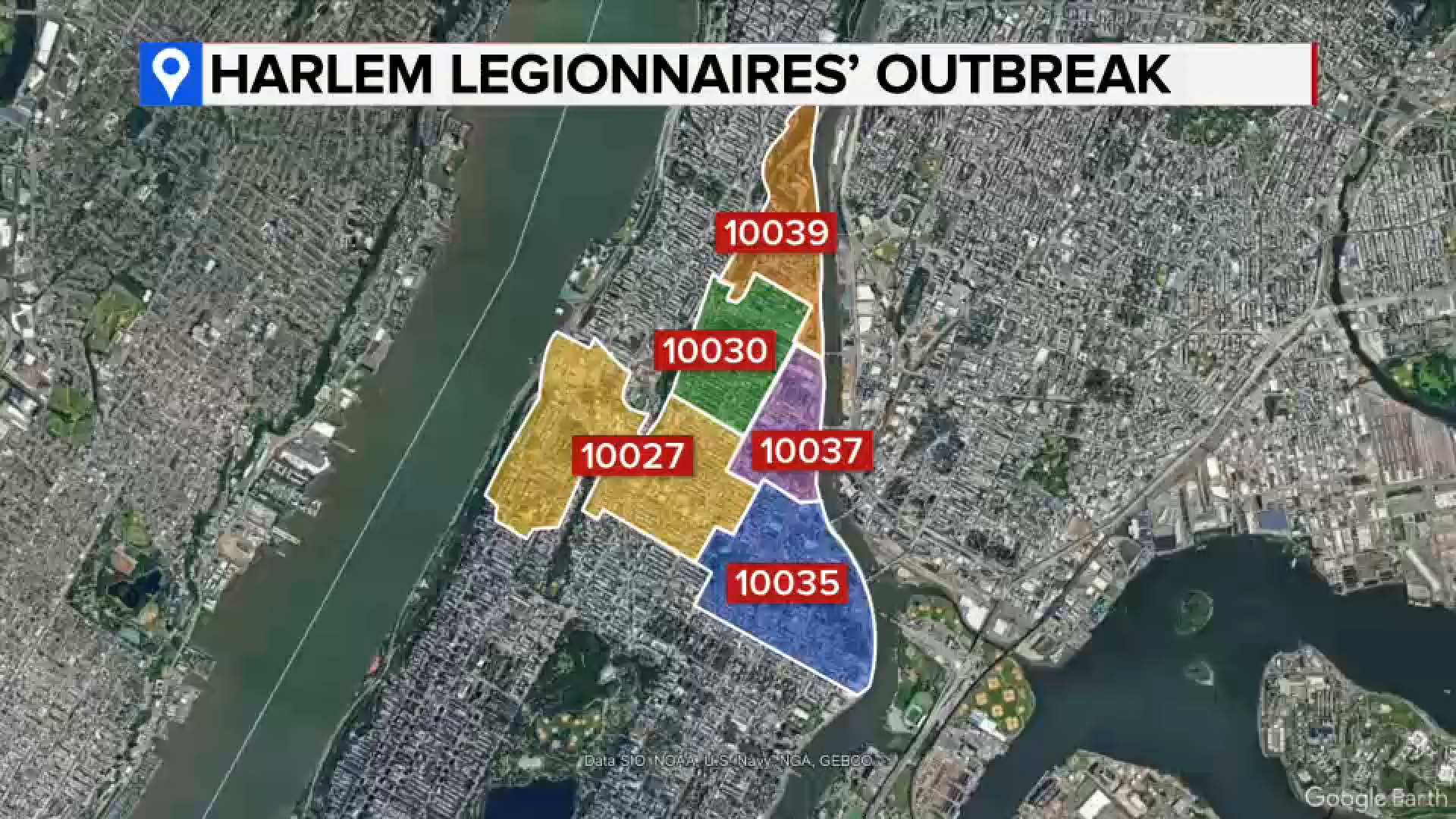
NYC Legionnaires Outbreak: What Residents Need to Know
People on the Upper East Side are dealing with a public health problem that moves faster than rumor and slower than panic. The NYC Legionnaires outbreak has already raised alarms after reports of a third death, and that changes the stakes for anyone who lives, works, or spends time in the area. If you have a fever, cough, shortness of breath, or flu-like symptoms, you should not shrug it off. Legionnaires’ disease is not spread person to person, but it can be severe, especially for older adults and people with weaker immune systems. What makes this outbreak matter now is simple. Cooling systems, water exposure, and daily life in a dense city can create a narrow window for infection before the source is fully controlled.
- Legionnaires’ disease comes from inhaling contaminated water mist.
- It does not spread from person to person.
- Fever, cough, and shortness of breath need prompt medical attention.
- People over 50 and those with chronic illness face higher risk.
- Building cooling systems are often part of the investigation.
What is the NYC Legionnaires outbreak?
Legionnaires’ disease is a type of pneumonia caused by Legionella bacteria. Health officials usually trace cases back to water systems that produce mist, such as cooling towers, fountains, or large plumbing networks. That is why these outbreaks often cluster in a specific neighborhood instead of spreading across a whole city at random.
The current NYC Legionnaires outbreak has drawn attention because it is tied to a known urban pattern, one that public health teams have dealt with before in New York and elsewhere. The New York City Health Department typically tests nearby cooling towers, orders cleaning when needed, and urges residents to watch for symptoms. Think of it like a building fire alarm system. You do not wait to smell smoke before checking the wires.
“If you live or work near the affected area and develop symptoms, get medical care quickly and mention possible Legionella exposure.”
NYC Legionnaires outbreak symptoms to watch for
The first signs often look like the flu, which is why people miss them. But the illness can escalate fast, especially if pneumonia develops. How do you tell the difference?
- Fever and chills.
- Cough, often with mucus.
- Shortness of breath.
- Muscle aches and fatigue.
- Headache, nausea, or diarrhea in some cases.
Legionnaires’ disease is treatable with antibiotics, but timing matters. If you wait, the infection can hit harder. That is the non-negotiable part.
Who faces the highest risk in the NYC Legionnaires outbreak?
Anyone can get sick after exposure, but some groups face a much steeper climb. Older adults are at higher risk, especially people over 50. Smokers, people with chronic lung disease, and people with weakened immune systems also face greater danger.
Pregnant people and healthy younger adults are not immune, but the odds are lower. The practical question is not whether you fit a perfect risk profile. It is whether you have symptoms after possible exposure. If yes, act.
What you should do right now
If you live or work in the affected part of the city, stay alert and keep your response simple.
- Watch for symptoms for at least two weeks after possible exposure.
- Call a doctor quickly if fever and breathing problems show up.
- Tell your clinician you may have been exposed to Legionella.
- Do not assume it is just a cold or summer flu.
- Follow updates from the New York City Health Department.
And if you manage a building, do not treat water system maintenance like a box to tick. Cooling towers need regular inspection, cleaning, and disinfection. A missed step can turn into a citywide headache, then a hospital bill, then worse.
Why this outbreak keeps happening in dense cities
New York has the kind of infrastructure that can make outbreaks more likely if maintenance slips. Tall buildings, rooftop cooling systems, and heavy water use create many places where Legionella can grow if conditions are right. Warm weather can make the problem worse because bacteria multiply more easily in warm water.
So yes, this is a health story. But it is also a maintenance story, a building operations story, and a city oversight story. That mix matters. Would you rather catch a broken system during inspection or after people start landing in the ER?
What happens next in the NYC Legionnaires outbreak
Public health investigators will keep testing sites, comparing cases, and looking for the source. If they find a building or system linked to the outbreak, they can order remediation and keep watching for new infections. Residents should expect updates as those tests move forward.
The smart move is plain. Pay attention to symptoms, seek care early, and keep an eye on official guidance. The next few days will tell us whether this outbreak is contained or whether the city is still chasing the source.
What to watch as the case count changes
If you want the most useful signals, watch three things: whether new cases are tied to the same area, whether cooling towers are still under investigation, and whether local hospitals start seeing more pneumonia cases from the neighborhood. That is the real dashboard, not the noise online. And if you feel sick, the timeline matters more than the headlines.
The next step is simple. Know the symptoms, call a clinician fast, and treat any breathing trouble as urgent.