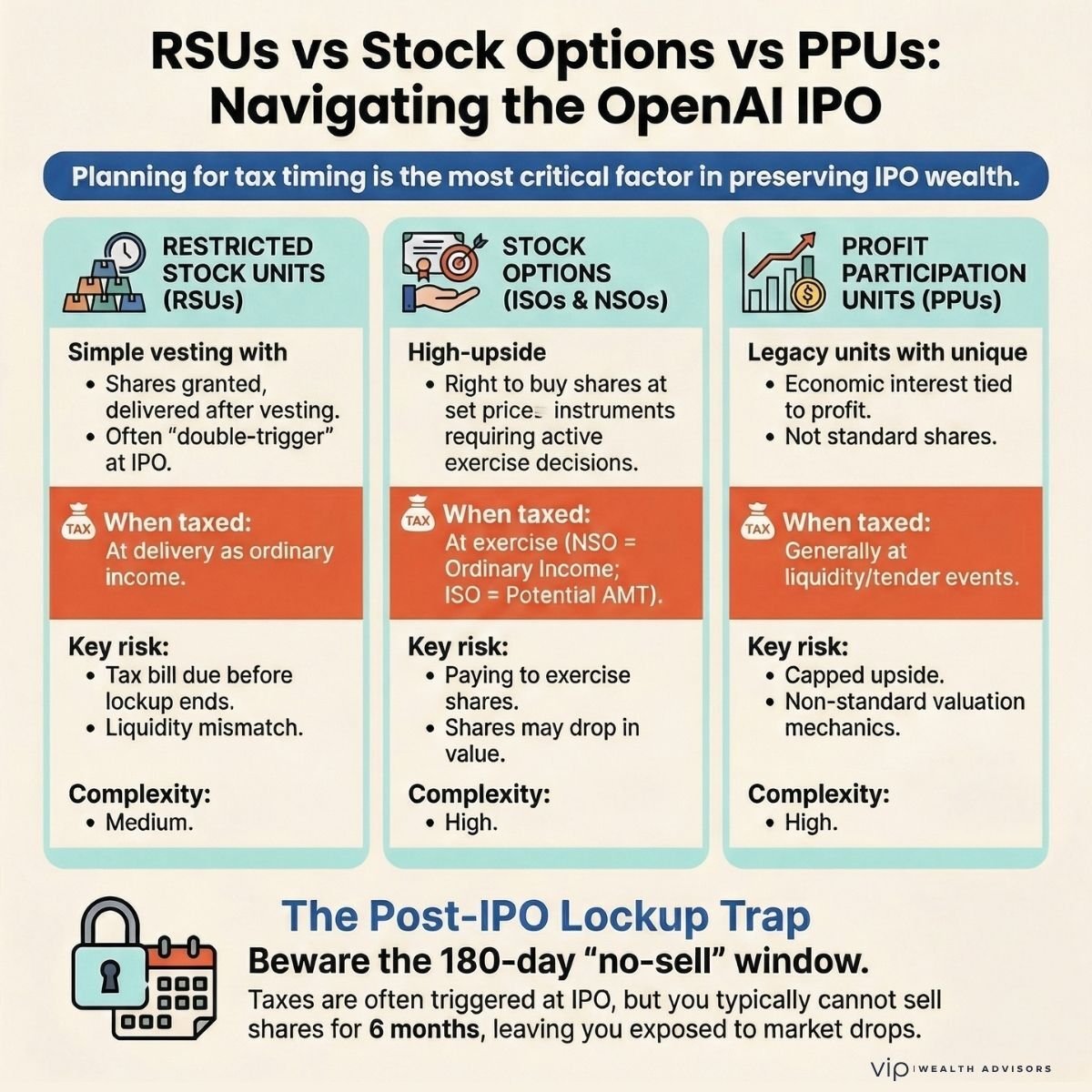
OpenAI IPO Plans and the New Executive Push
OpenAI is acting like a company that knows the clock is ticking. The latest wave of senior hires points to a firm getting ready for heavier scrutiny, bigger stakes, and the kind of investor pressure that comes with a public listing. If you have been watching OpenAI IPO plans, this is the part that matters. New execs are not just decoration. They are a signal about how the company expects to run when the boardroom gets louder and the margin for error gets thinner. That matters now because the jump from private AI darling to public-market company changes everything. Governance. Forecasts. Accountability. And yes, the story you tell Wall Street.
What the new hires say about OpenAI IPO plans
- OpenAI is building for public-company discipline. That usually means stronger finance, legal, and operations leadership.
- The company wants credibility at scale. Investors tend to ask hard questions about revenue quality, costs, and control.
- AI hype is not enough anymore. The market will want repeatable business lines, not just model demos.
- Leadership depth matters. A single visionary is not enough when a company gets this big.
Look, this is not random hiring. It looks like preparation for a more formal era. A public company has to explain itself in plain language, and that is a very different test from winning rounds of private funding.
Why OpenAI IPO plans change the leadership math
Once IPO talk gets serious, the company has to think like a machine with many gears. Finance, compliance, board oversight, and enterprise sales all have to move together. Miss one gear and the whole thing grinds.
That is why senior hires matter. Public markets reward predictability, or at least the promise of it. OpenAI has spent years winning on product attention and model quality. Now it has to prove it can build a durable operating structure around that core.
“The biggest change before an IPO is not the filing. It is the discipline that comes before the filing.”
And that discipline usually starts with people who have already lived through the public-company cycle. They know how to handle quarterly pressure, board reporting, and the ugly questions analysts ask when growth slows.
What investors will watch next
If OpenAI moves toward an IPO, investors will not care much about slogans. They will care about a short list of numbers and controls. That is the real filter.
- Revenue mix. How much comes from enterprise contracts, consumer subscriptions, and API usage?
- Compute costs. AI infrastructure can eat margins fast. Can the company explain its unit economics?
- Governance. Who makes decisions, and how independent is the oversight?
- Retention. Do customers stay, expand, and renew?
- Risk management. Can the company handle safety issues, legal disputes, and product failures without drama?
Here’s the thing. AI companies often look great until the bills arrive. Then the spreadsheet starts asking questions the keynote never did.
What OpenAI IPO plans mean for the wider AI market
OpenAI does not operate in a vacuum. If it gets closer to an IPO, rival firms, cloud partners, and enterprise buyers will all read the move as a market signal. It could raise expectations for other AI startups that are still living on growth stories and borrowed time.
That comparison is a little like a restaurant opening a second dining room before it has fully stabilized the kitchen. The front of house may look polished, but the real test is whether the back of house can keep pace when demand doubles.
Public investors tend to punish confusion fast. So if OpenAI wants to go public, it needs more than new faces at the top. It needs a story that holds up under cross-examination. Why this structure? Why now? Why should the market trust the numbers?
What to watch before the filing window opens
Watch for board changes. Watch for finance and legal hires. Watch for clearer reporting around enterprise revenue and product segmentation. Those are the boring details that usually show the real direction first.
And watch how OpenAI talks about independence, control, and mission. Those words will matter a lot once the company starts speaking to public-market investors instead of private backers. The next move is probably not the loudest one. It will be the one that makes the company look ready. Are we seeing a prep run for an IPO, or the start of a much bigger reset?
The smart money should pay attention to the hiring, not just the headlines. That is where the real story is hiding.