OpenAI Product Strategy After the ChatGPT Boom
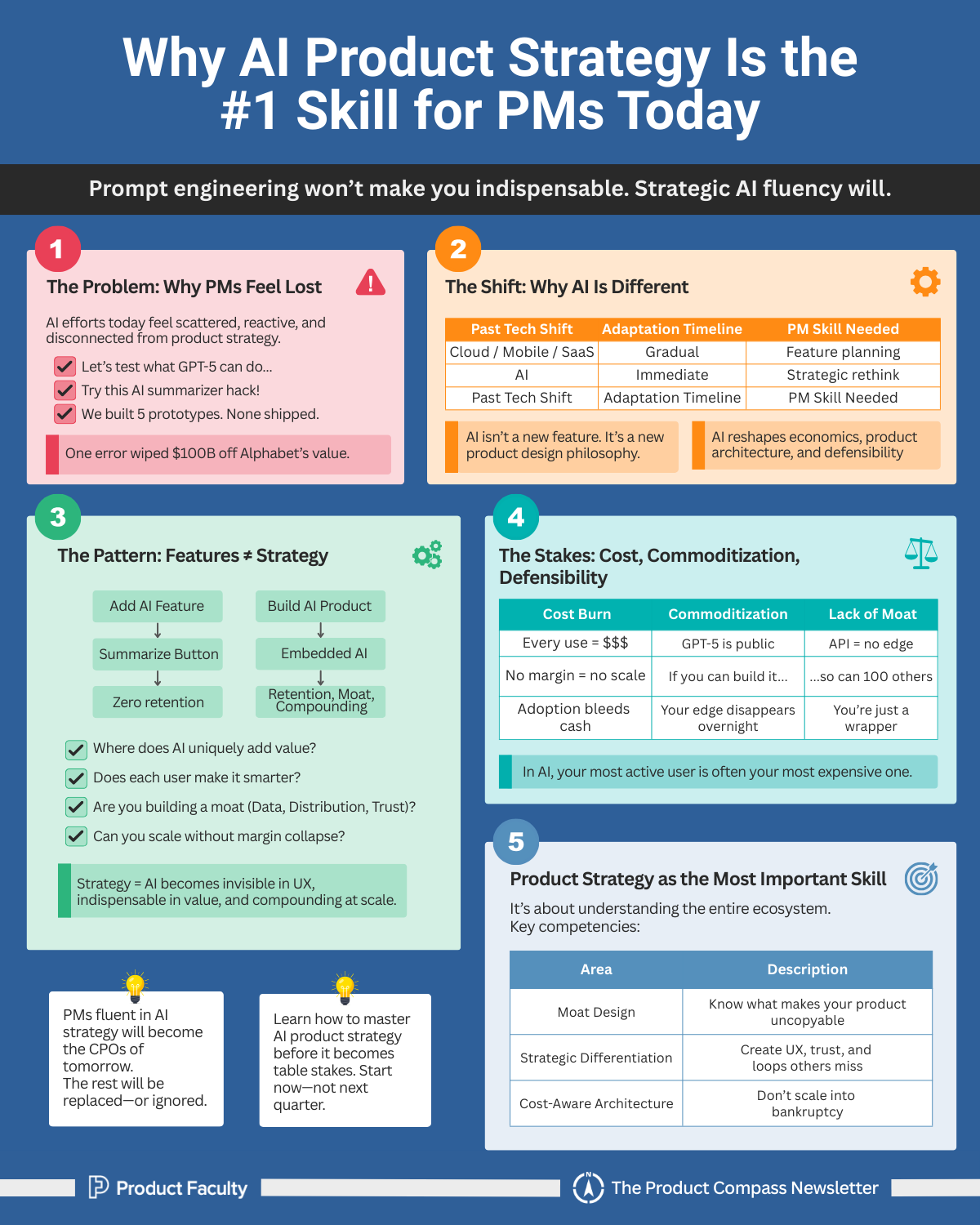
People still talk about AI like it is a single product problem. It is not. The real issue is OpenAI product strategy, because the market has moved from asking whether AI works to asking where it fits, who pays, and what gets used every day. That shift matters now. The easy demos are everywhere, but the durable products are harder to spot.
OpenAI sits at the center of that reset. Its advantage is no longer just model quality. It is the ability to turn research into tools that people trust enough to keep open on their browser tab, phone, or work laptop. And that creates a tougher test: can the company build products that feel necessary, not merely impressive?
What stands out in OpenAI product strategy
- Utility beats spectacle. Users stick with tools that save time or reduce friction.
- Distribution matters. A strong model is wasted if people cannot find a reason to return.
- Trust is part of the product. Accuracy, privacy, and predictable behavior shape adoption.
- Workflow wins. AI that fits into existing habits tends to beat one-off novelty.
Why the market is past the demo phase
The first wave of AI products ran on curiosity. You tried them because they were new. That phase is over. Now users compare AI tools against search, office software, support desks, and internal knowledge systems. That is a brutal benchmark.
Look at what happens inside most companies. A chatbot may impress a team for one afternoon, then disappear because it does not connect to documents, tickets, or approval steps. That is the difference between a toy and a tool. If OpenAI wants to keep growing, it has to behave more like a software company and less like a research lab with a viral app attached.
“The best AI product is the one people do not have to think about twice.”
How OpenAI product strategy changes the buying decision
For buyers, the question is no longer “Can this model do the task?” It is “Can this product handle my real workflow, my risk, and my team’s habits?” That is a stricter standard, and it should be.
- Speed matters. If the output is slow, people switch back to old tools.
- Control matters. Admin settings, permissions, and auditability are not optional in business use.
- Consistency matters. A system that is brilliant one day and sloppy the next will lose trust.
Think of it like a kitchen. A sharp knife is useful, but a restaurant needs the full station, prep, and process. AI is the same. The model is only one part of the meal.
What a veteran product team should watch
OpenAI’s product direction will likely be judged on a few practical signals. Does the company make everyday tasks easier, or does it keep adding features that only look good in demos? Does it help users move from prompts to repeatable outcomes? Does it make enterprise adoption less painful?
There is also a deeper issue. When an AI company becomes a platform, every product choice starts to look like infrastructure. Small mistakes get expensive. A confusing interface, a weak permission model, or a fuzzy pricing tier can create drag across the whole stack. That is why product discipline is non-negotiable.
The three questions that matter most
What do users return for? What do they trust with sensitive work? And what do they stop doing because the AI handles it better than their old process?
Those answers tell you more than any launch event. Honestly, they tell you whether the company is building a lasting business or just riding another wave of attention.
OpenAI product strategy and the next phase of AI
The next phase will not be won by bigger claims. It will be won by tighter product decisions. The teams that understand this will treat AI like an operating layer, not a feature sticker. That means better onboarding, clearer limits, stronger integrations, and pricing that makes sense for real users.
OpenAI has the brand and the scale to set the pace. But the bar has moved. Users expect AI to fit into work the way email, spreadsheets, and chat did. If OpenAI misses that shift, someone else will build the boring, useful version people actually keep. And that is the version that usually wins.
What happens next?
The smart question is not whether OpenAI can keep shipping impressive models. It is whether it can turn OpenAI product strategy into something repeatable, boring in the best sense, and hard to replace. If you are buying or building in AI, that is the signal to watch now. Who is making the tool people reach for on a random Tuesday?