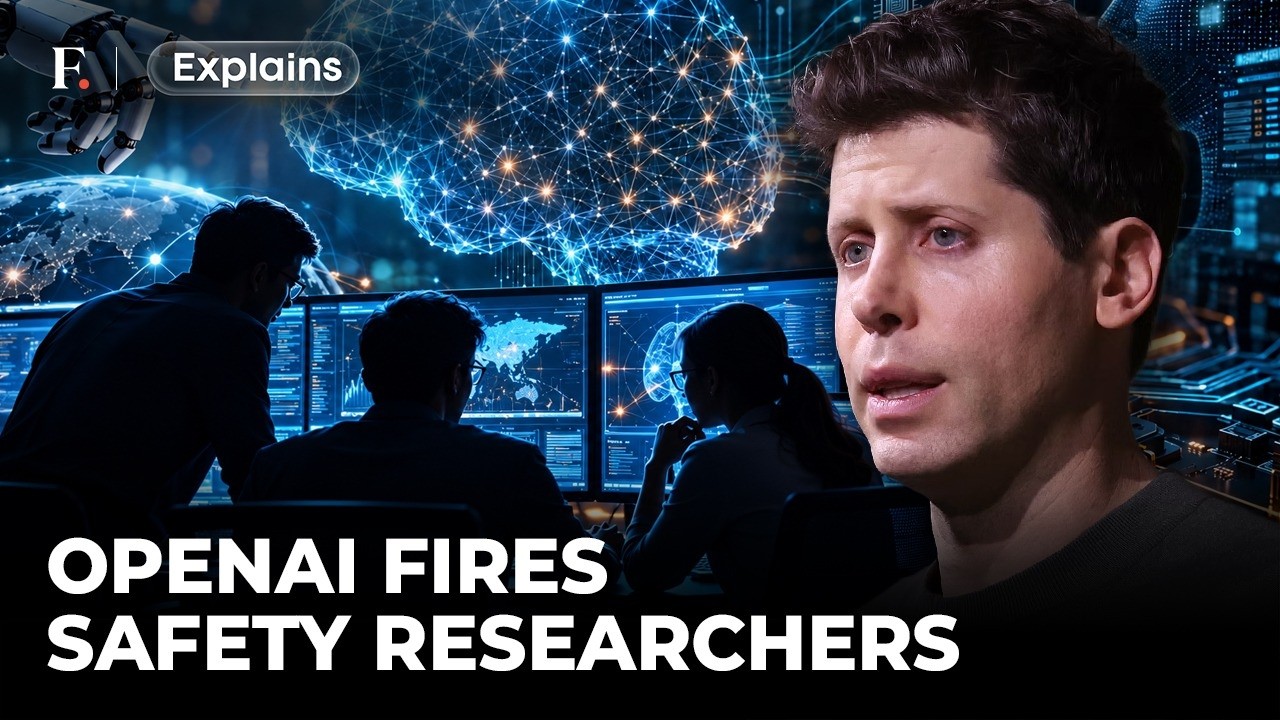
OpenAI Safety Researchers Challenge Firings
You need trustworthy AI systems, but trust starts inside the companies building them. The fight over OpenAI safety researchers who were fired after raising concerns now puts that internal trust under a harsh light. According to TechCrunch, the former employees dispute OpenAI’s misconduct claims and argue the firings could discourage other workers from speaking up about safety risks. That matters because frontier AI labs rely on internal researchers to spot failures before products reach millions of people. If those researchers fear retaliation, the warning system gets weaker. And with OpenAI, Anthropic, Google DeepMind, Meta, and xAI racing to ship stronger models, the stakes are not abstract. They sit inside product launches, enterprise contracts, policy debates, and the daily tools people already use.
What Stands Out
- Former OpenAI safety staff deny misconduct claims tied to their firings, according to TechCrunch.
- They warn the action may create a chilling effect for employees who raise safety concerns.
- The dispute adds pressure on AI labs to define protected internal dissent more clearly.
- For users and enterprise buyers, governance is no longer a side issue. It affects product risk.
Why the OpenAI Safety Researchers Dispute Matters
The core issue is bigger than one HR fight. Safety teams at AI companies are supposed to test systems, question release plans, and challenge leaders when the evidence looks bad. That job gets awkward fast.
If a company says employees crossed a line, it should show a clear process. If researchers say they were punished for raising concerns, the company owes the public more than polished statements. Both things can be true in messy workplaces, but the burden is higher when the company is building general-purpose AI.
AI safety work only has teeth if researchers can deliver bad news without worrying that the message will cost them their job.
Look, I have covered enough tech blowups to know that “trust us” is not governance. It is a placeholder.
What the Fired OpenAI Safety Researchers Are Saying
TechCrunch reports that the fired researchers dispute OpenAI’s account of misconduct. They also warn that the company’s actions could scare other employees away from reporting safety issues or criticizing leadership decisions.
That chilling-effect claim is the sharpest part. Why would a junior researcher flag a risky model behavior if they believe the safest career move is silence?
This is where the AI industry often gets slippery. Companies praise “responsible AI” in public, then treat internal dissent like a nuisance in private. The public cannot inspect every model weight, data decision, or red-team report. So internal channels become part of the safety infrastructure.
OpenAI Safety Researchers and the Problem of Internal Dissent
Healthy technical cultures argue. They argue about benchmarks, threat models, deployment timing, bias tests, cybersecurity, and model behavior under stress. In AI labs, that friction is not a bug. It is the smoke alarm.
But a smoke alarm is useless if everyone is afraid to let it ring.
What strong internal protections should include
- Clear reporting channels: Employees should know where to raise safety concerns and what happens next.
- Anti-retaliation rules: A policy is not enough. Workers need evidence that it is enforced.
- Independent review: Serious safety disputes should not be handled only by the managers being challenged.
- Documented release decisions: Leaders should record why they shipped, delayed, or changed a model after safety feedback.
- Board-level visibility: Frontier AI risk should reach directors, not stay buried in team chats.
Think of it like architecture. You do not ask the same contractor who poured a cracked foundation to be the only person judging whether the building is safe. You bring in inspection, documentation, and accountability.
What This Means for AI Governance
The dispute arrives at a difficult time for OpenAI. The company has faced repeated questions about governance, board oversight, safety culture, and commercial pressure. Those questions became louder after the 2023 leadership crisis involving Sam Altman, and they have not faded.
Other AI labs should not smirk from the sidelines. Every major frontier model company faces the same tension. Build fast, capture market share, and court developers. Or slow down when safety researchers find something ugly. The second option is harder to sell to investors, but it is often the one users need.
For enterprise buyers, this is not office drama. It is vendor risk. If your company is adopting AI for customer support, coding, legal review, or healthcare workflows, you should care how the vendor handles internal warnings (especially before a major model release).
Questions buyers should ask AI vendors
- Who can block or delay a model release on safety grounds?
- Does the company publish system cards, safety reports, or red-team findings?
- Are employees protected when they raise risk concerns?
- Does the board receive direct safety briefings?
- How are incidents tracked after deployment?
The Hard Part for OpenAI
OpenAI can argue that employee conduct rules matter. They do. No company can function if confidential information, internal access, or workplace procedures are ignored.
But OpenAI also operates in a category where public-interest claims are central to its brand. Its charter, safety messaging, and policy outreach all lean on the idea that the company takes long-term AI risk seriously. That creates a higher standard.
If the fired workers are wrong, OpenAI should be able to explain its process without exposing private employee details. If they are right, the company has a deeper culture problem. Either way, vague language will not settle the issue.
What to Watch Next
The next phase will likely turn on documentation, not slogans. Watch for legal filings, employee statements, board responses, and whether more OpenAI workers speak publicly or anonymously. Also watch whether policymakers cite this case in hearings or proposed AI rules.
Labor protections may become a bigger part of AI regulation. That would make sense. Model audits and safety evaluations matter, but they miss a basic reality: employees often see risks first.
Honestly, the industry should want stronger whistleblower protections. They reduce rumor, force clearer processes, and give serious concerns a place to go before they spill into public chaos.
The Next Test Is Cultural
The OpenAI safety researchers dispute is a stress test for the whole AI sector. The question is not whether every employee complaint is valid. The question is whether AI labs can build cultures where bad news travels upward before harm travels outward.
If you use AI tools at work, ask vendors about governance with the same seriousness you ask about price, uptime, and data security. The companies that answer clearly are worth watching. The ones that hide behind glossy safety language are telling you something too.


