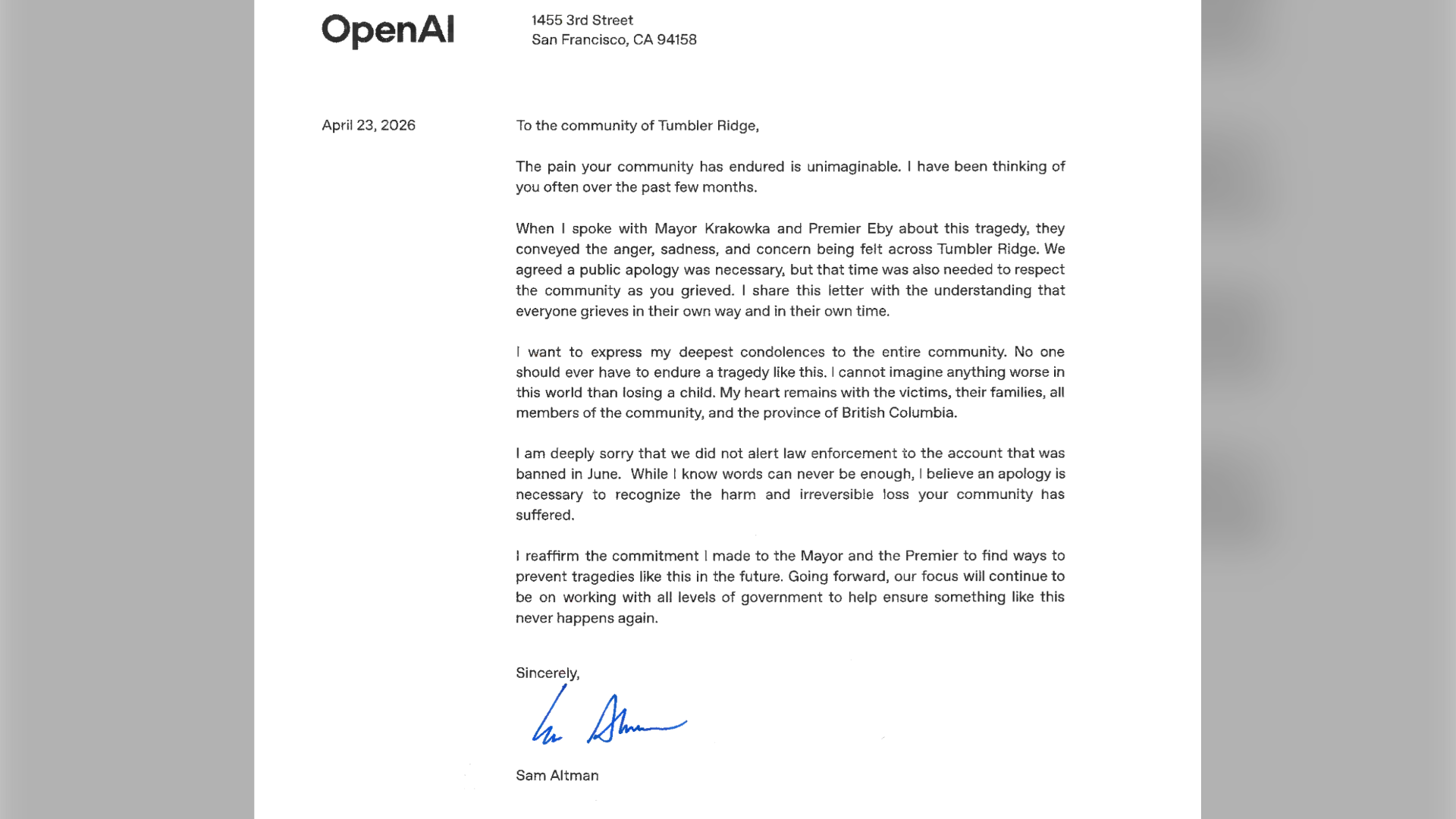
OpenAI Tumbler Ridge Apology: What It Means
AI companies move fast. Local communities do not, and they should not have to. The OpenAI Tumbler Ridge apology matters because it shows what happens when a company pushes into a town before earning trust. If you follow AI infrastructure, data centers, energy use, or the politics around tech expansion, this is the kind of story you need to watch closely right now. A public apology from a CEO is rarely just about hurt feelings. It usually signals pressure, missteps, and a scramble to reset the relationship before the damage spreads. And once a project starts to look careless at the local level, every future permit, partnership, and public promise gets harder to sell.
What stands out
- OpenAI’s apology suggests local concerns in Tumbler Ridge were serious enough to force a public response.
- Community trust is becoming a non-negotiable part of AI infrastructure growth.
- Energy, land use, and local consultation now shape AI deals as much as compute and capital.
- This episode could affect how other towns, utilities, and regulators assess future AI projects.
Why the OpenAI Tumbler Ridge apology matters
Tech companies often talk as if building AI is mainly a race for chips, talent, and power. That misses the plain fact that real places sit underneath those plans. Towns have residents, councils, water systems, roads, and people who do not enjoy being treated like a line item.
That is why the OpenAI Tumbler Ridge apology carries weight beyond one community dispute. It shows the old growth script from big tech, announce big plans, smooth over objections later, is a bad fit for AI infrastructure. Data centers and energy projects are closer to industrial development than to app launches.
Here’s the thing. A company can afford to move fast on product. It cannot assume the same speed on community consent.
And that gap is where trouble starts.
What likely triggered the backlash
Based on the public framing around the story, the conflict appears tied to how OpenAI engaged, or failed to engage, with the Tumbler Ridge community around its plans or interests in the area. In disputes like this, the flashpoints are usually familiar. Residents feel blindsided. Local leaders think the outreach came late. The company sounds polished, but thin on specifics.
Was the issue only communication? Probably not. Public apologies at this level usually happen when communication failures expose a deeper problem. That can include weak consultation, unclear project impacts, or a tone that suggests executives assumed local buy-in would come easily.
Think of it like building a stadium in a small city. The blueprints may impress investors, but the neighbors will ask about traffic, noise, power, and who really benefits. AI infrastructure gets the same scrutiny now, and it should.
Why local trust is now part of AI strategy
For years, AI coverage centered on models, benchmarks, and funding rounds. That is no longer enough. The next phase runs through power grids, permits, environmental review, public opinion, and local politics.
The OpenAI episode in Tumbler Ridge fits that shift. You can have elite engineers and huge backing, but if a host community thinks it is being ignored, the project starts bleeding credibility. Honestly, that credibility is harder to rebuild than many executives think.
(And local skepticism tends to spread faster than corporate talking points.)
What communities now expect from AI developers
- Early consultation. Not after the deal is mostly done. Before.
- Specific impact details. Residents want clear answers on jobs, land use, energy demand, water use, and timelines.
- Local accountability. A named person, a public process, and follow-through matter more than glossy messaging.
- Plain language. If the benefits are real, they should survive translation out of investor jargon.
What OpenAI and others should learn from Tumbler Ridge
The first lesson is simple. Apologies are cheaper than project failure, but more expensive than listening early. That is the real business case here.
The second lesson is that AI companies should stop treating communities as passive hosts. They are stakeholders with veto points, formal or informal. A mayor, a council, a utility board, or a vocal group of residents can slow a plan enough to change its economics.
Look, this is where hype crashes into asphalt. The AI sector likes to talk about scale, but scale in the physical world means dealing with people who care about their town more than your roadmap.
Three practical moves companies should make
- Show up before backlash. Hold public meetings early and answer questions in detail.
- Publish impact summaries. Keep them short, factual, and local, not drenched in PR language.
- Tie promises to measurable commitments. Jobs, infrastructure support, environmental safeguards, and review dates should be public.
Will the OpenAI Tumbler Ridge apology change anything?
Maybe. But only if it marks a change in behavior, not a brief reputation patch.
One apology does not erase the wider pressure around AI expansion. OpenAI, Microsoft, Google, Amazon, and other major players all face rising questions about electricity demand, water use, land acquisition, and local consent. The bigger these systems get, the less they resemble pure software companies and the more they resemble heavy industry with a cloud interface.
That shift has consequences. Investors may still reward speed, yet regulators and communities are starting to reward caution. Those incentives are on a collision course.
If OpenAI handles the Tumbler Ridge fallout with real transparency, it could steady the situation and set a better standard. If not, the apology will read like what many corporate apologies become: evidence that the company understood the problem only after the backlash became impossible to ignore.
What you should watch next
If you want to judge whether this story has legs, track a few concrete signals instead of the apology headline alone.
- Whether OpenAI shares more detail about the project or engagement process.
- Whether local officials publicly accept the company’s response.
- Whether community meetings, revised plans, or formal commitments follow.
- Whether other towns cite Tumbler Ridge when reviewing AI-related proposals.
That last point matters most. One local dispute can become a template. And once that happens, every AI company with physical expansion plans has to play on a tougher field.
The bigger test ahead
The OpenAI Tumbler Ridge apology is a small story on the surface, but it points to a larger truth about AI’s next chapter. The industry can no longer act as if intelligence is built only in code. It is also built in substations, contracts, roads, public meetings, and trust.
So the real question is not whether OpenAI said sorry. It is whether AI companies are ready to treat communities as partners before they become opponents. The answer will shape where the next wave of infrastructure gets built, and who is willing to host it.