Padres Call Up Ethan Salas: What It Means
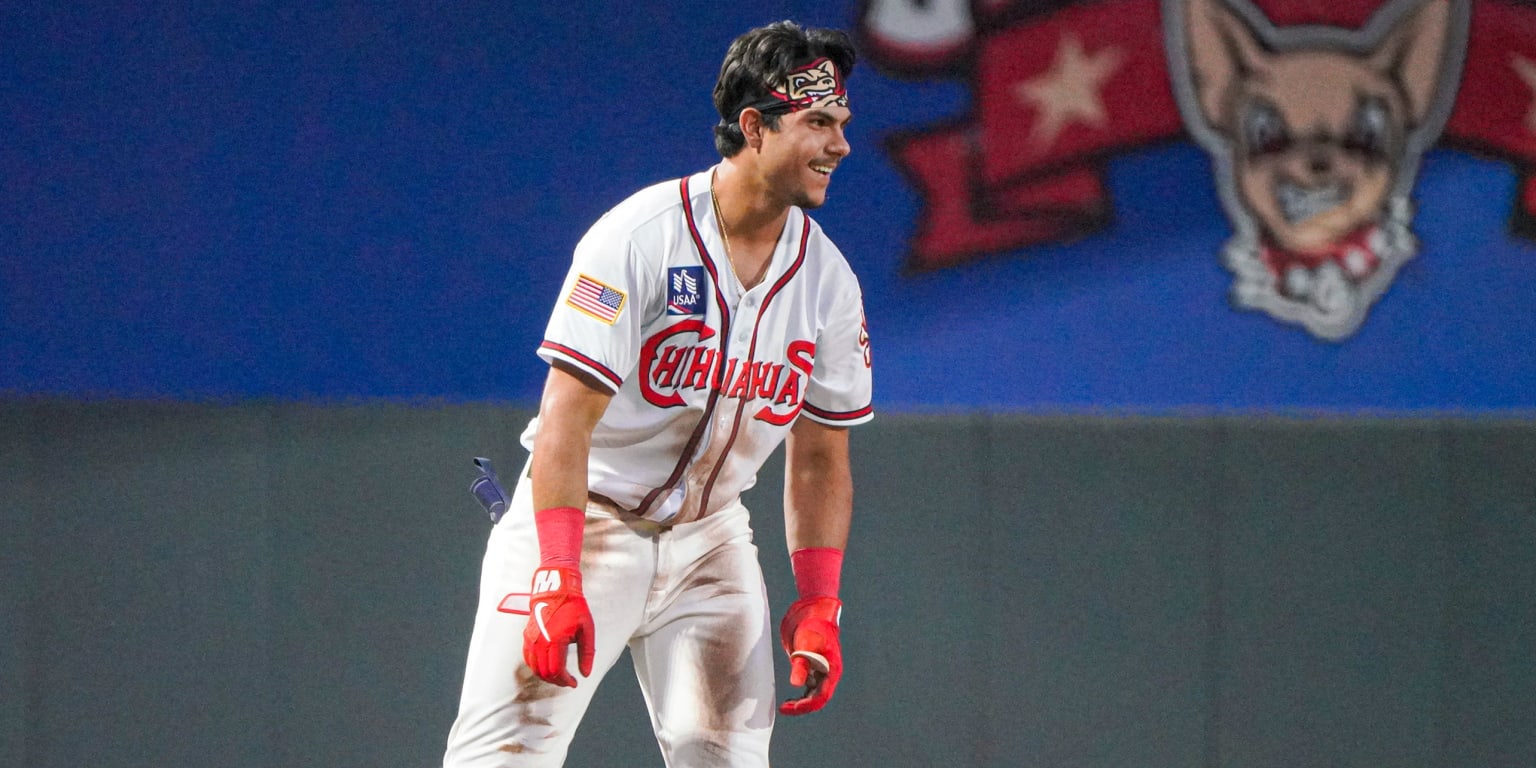
The Padres are about to ask a lot from Ethan Salas call up, and that is the point. A 20-year-old catcher does not arrive in San Diego because the front office feels sentimental. He arrives because the club thinks the bat, the glove, or the roster situation can no longer wait. That matters now because catcher is one of the hardest jobs in baseball, and the learning curve is steep. Faster than most fans want to admit. If Salas is joining the big league club, the Padres are making a bet on timing, health, and upside all at once. Will it pay off? That depends on how they use him, and how much they are willing to live with the growing pains.
What stands out about the Ethan Salas call up
- Age matters. Catchers usually need more minor league time than other prospects.
- The Padres need answers. A call up often signals a roster need, not just prospect praise.
- Development is delicate. A rushed catcher can lose confidence fast.
- There is upside here. Salas has long been viewed as one of the club’s top young talents.
Why the Ethan Salas call up is so unusual
Most teams do not rush a 20-year-old catcher unless they see a real edge. Catchers have to receive pitches, manage pitchers, block balls, control the running game, and still hit enough to stay in the lineup. That is a brutal list, almost like asking one player to be both the quarterback and the offensive line coach.
Salas has been a name that scouts have circled for years, but prospect status does not erase the grind. The Padres know that. They also know a young catcher can change the feel of a staff if he handles the game well. The job starts behind the plate, and the bat has to follow.
A catcher call up is never just about catching. It is about trust. It is about whether the pitcher feels comfortable throwing the next pitch, and whether the staff believes the rookie can survive a bad night without unraveling.
What the Padres are probably trying to solve
The simplest answer is roster pressure. Teams do not make a move like this for decoration. They make it because they need production, flexibility, or a spark. Sometimes all three.
For San Diego, the calculus may include a few things:
- Adding upside to the lineup. If Salas can hit enough, he changes the bench math.
- Testing his readiness. The majors expose weak spots fast. That can help if the club uses it correctly.
- Getting ahead of the future. If the Padres think he will be their catcher soon anyway, why wait?
Look, teams love the word “ready” until the moment they need a player. Then the definition gets fuzzy.
What you should watch in the first week
The first week will tell you more than the press release ever will. Watch the way pitchers work with him between innings. Watch how he handles two-strike counts. Watch whether he looks rushed on throws or calm when the game speeds up.
And keep an eye on the batting order. If the Padres give him scattered starts, that probably means they are protecting him. If they run him out there often, they think the learning curve is worth the risk.
Three signs the move is working
- Pitchers keep trusting his setup and game plan.
- He does not look overwhelmed by tempo or game management.
- The bat shows enough contact to avoid being a black hole.
Why this is a big deal for Padres fans
The Padres have built a habit of chasing immediate results, and that can create friction with prospect development. Salas is the kind of player who forces the organization to choose between patience and urgency. That choice is the real story here, not the transaction itself.
Think of it like baking bread. Pull it from the oven too early and you get a mess. Leave it too long and it dries out. Timing is everything, and catcher development is even less forgiving than sourdough.
One sentence matters here. The margins are thin.
If Salas holds his own, the Padres gain a rare asset: a young catcher who can grow with the roster instead of arriving after the window has already shifted. If he struggles, that does not mean the move was wrong. It may mean the club learned something expensive but useful. Either way, this is the sort of call that tells you how a front office really thinks. Not the slogans. The priorities.
What comes next for Ethan Salas and the Padres
The next step is not about hype. It is about usage. San Diego has to decide whether Salas gets regular reps, spot duty, or a short look before another move. That decision will say a lot about how aggressive the club wants to be with its catcher of the future.
For now, the story is simple. The Padres are putting a premium prospect in the spotlight because they believe the moment has arrived. Maybe they are right. Maybe they are forcing the issue. Either way, this is the kind of move that can shape a season, and maybe a franchise plan. What happens when a team stops waiting and decides to find out?