Inside Palantir IRS Fraud Detection and the Clean Energy Credit Crackdown
Clean energy tax credits were meant to spur solar panels and EV chargers, not create a new playground for fraud. Yet the IRS just expanded its reliance on Palantir IRS fraud detection to sift through billions in claims tied to the Inflation Reduction Act. That deal matters because Palantir’s software is being asked to spot bogus filings at scale while lawmakers race to spend climate dollars. You want renewable incentives to hit the right people and companies, and you probably expect privacy and fairness along the way. The contract documents show just how much the agency will lean on automated scoring and cross-database matching in the coming audits. The question is whether the technology keeps pace with the grifters without trampling legitimate filers.
Fast facts before you judge
- IRS extended Palantir’s contract to cover clean energy credit audits and automated fraud flags.
- Software will merge income data, business filings, and project metadata to rank risk.
- Palantir work overlaps with earlier IRS cases on earned income and corporate filings.
- Privacy groups warn about opaque scoring and data reuse across programs.
Where Palantir IRS fraud detection fits in the clean energy push
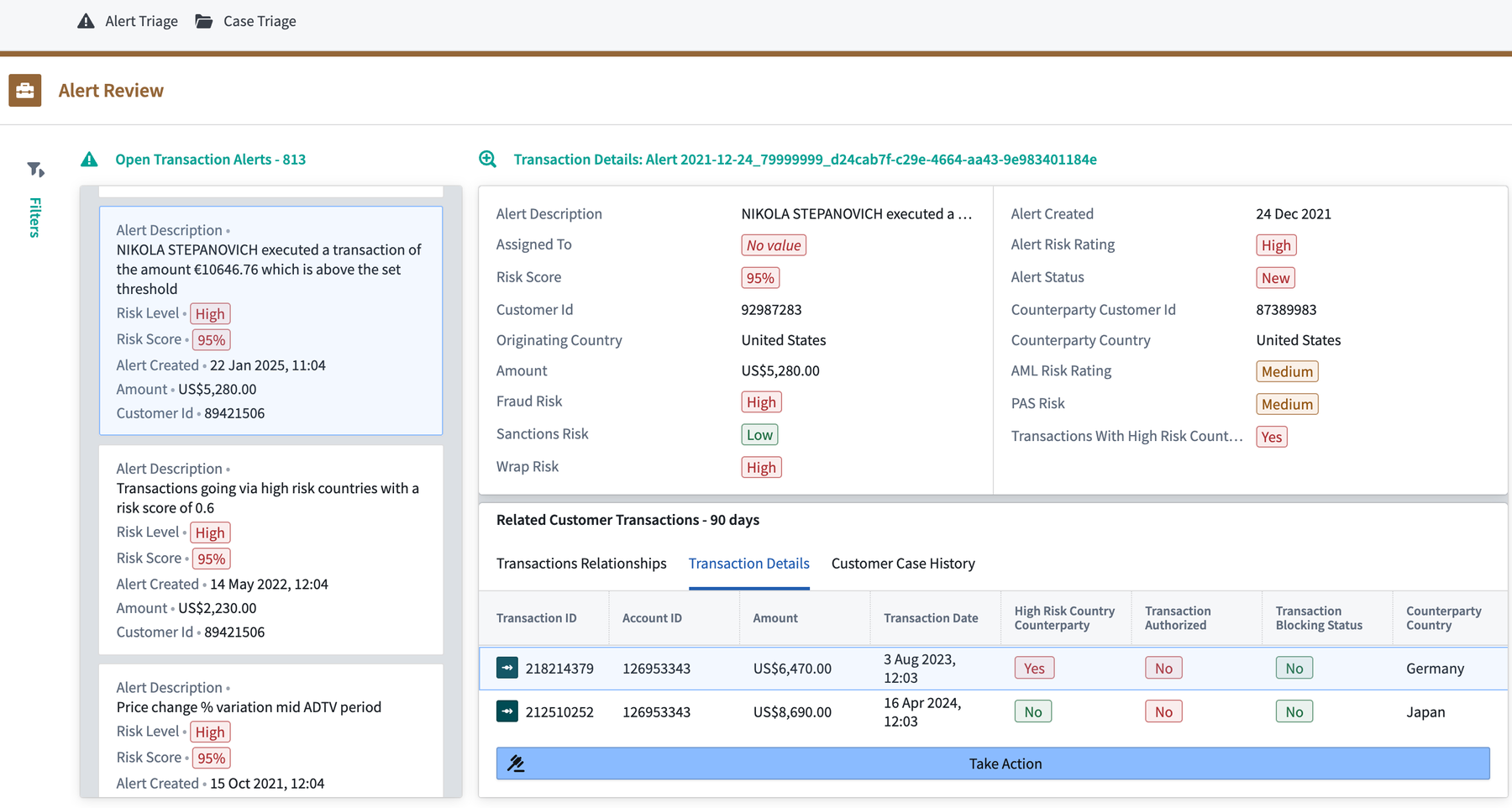
The IRS wants to verify that credits go to real projects, not shell LLCs. Palantir’s Gotham platform will stitch together claim data, property records, and supplier info to flag anomalies. Think of it like a baseball scout watching film from every angle before deciding who makes the roster.
This contract is already a red flag.
From what I have seen covering this beat for years, the agency hopes Palantir can surface patterns that human auditors miss under tight timelines. But what happens when a scoring model mistakes an honest installer for a scammer?
How the system scores risk
- Pull claimant identity, prior filings, and reported project details into a linked dataset.
- Cross-check addresses and equipment serials against vendor and utility records.
- Rank each claim with a risk score that routes auditors to the highest suspects first.
Here’s the thing: automated scoring sounds tidy until you try to explain a denial to a contractor who followed the rules.
Risks of Palantir IRS fraud detection for taxpayers
Look, fraud screening needs precision. If Palantir’s model leans on sparse data, you get false positives that stall legitimate payouts. If it pulls in too much, you run into privacy blowback (and likely litigation). Accuracy is not optional when clean energy capital is tight and project financing hinges on credits clearing quickly.
One obvious risk: data reuse from old enforcement programs. Palantir worked on earned income tax credit audits and some of that logic may bleed into this new space. Clean energy projects have different red flags than household wage claims.
Who gets oversight and how
- Transparency: Publish model inputs and error rates so installers know the rules.
- Appeals: Guarantee fast human review when software stalls a payment.
- Auditor training: Treat the tool like a GPS. It suggests, humans decide.
- Data hygiene: Purge stale or irrelevant datasets that inflate risk scores.
What a fair rollout should look like
Audits should start with clear public criteria, not a black box. The IRS needs a playbook that resembles a kitchen prep list: simple steps, no mystery sauce, and repeatable outcomes. A pilot phase with public metrics would tell filers whether the system is catching sham projects or just slowing everyone down.
And yes, there should be real penalties for vendors who game serial numbers or recycle paperwork across projects. Without consequences, the fraud fight turns into a scrimmage with no referees.
What to watch next
Watch for the first batch of contested denials. If appeals climb, expect Congress to probe Palantir IRS fraud detection and its scoring thresholds. The smarter move is to publish audit hits and misses before the blowback arrives. Will the IRS share enough detail to keep public trust?