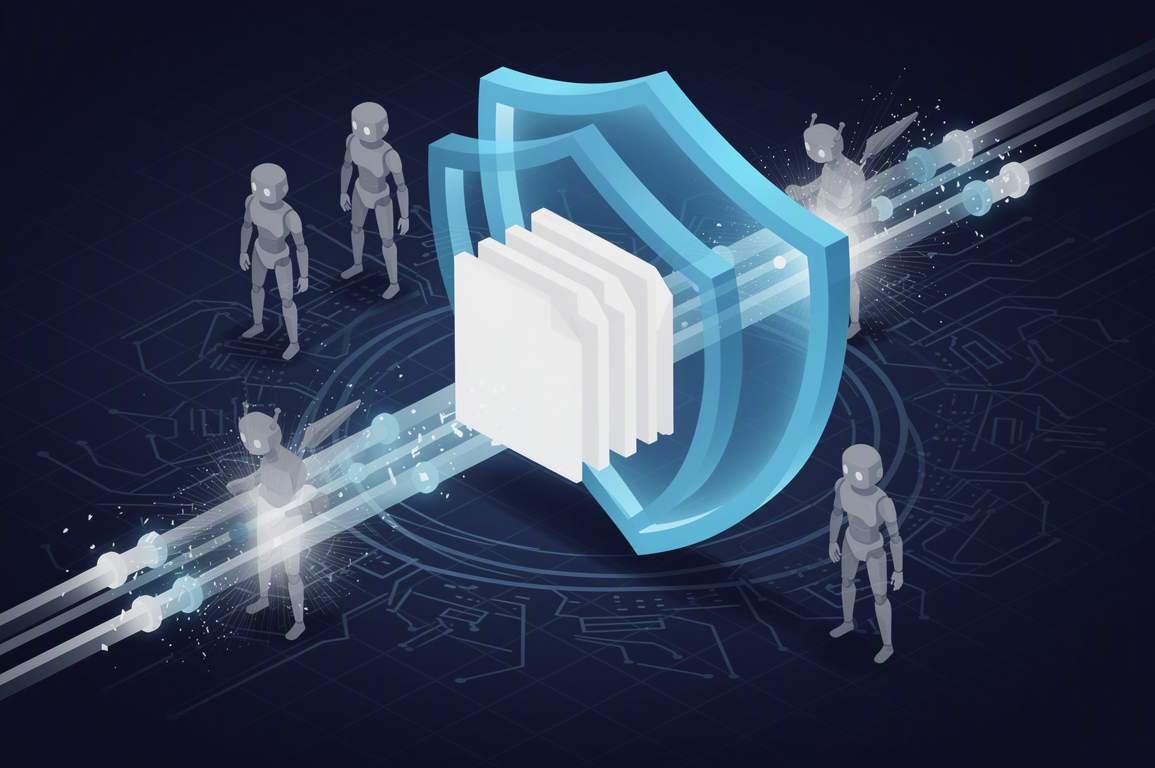
Patreon Blocks AI Bots After Scraping Tensions
Creators have spent years asking platforms to protect their work, and now the conversation has turned from requests to enforcement. That is the real story behind Patreon blocks AI bots. The change matters because scraping is no longer a side issue. It affects who gets paid, who gets training data, and who controls access to private or member-only work. For creators, this is about more than policy language. It is about whether their content becomes free fuel for models they never approved. And for AI companies, the era of assuming open access is ending fast. What happens next will shape the next round of platform rules, licensing deals, and legal fights.
What Patreon’s move signals
- Patreon is shifting from requests to enforcement. That usually means platform operators think voluntary norms have failed.
- AI crawlers are now a business risk, not just a technical nuisance. Scraping can drain traffic, expose private material, and trigger creator backlash.
- Content platforms are drawing harder lines. Expect more sites to block automated collection by default.
- Creators want consent, not excuses. Paid communities do not like seeing their work repackaged without permission.
Patreon’s move fits a wider pattern. Open web assumptions are colliding with AI training demand, and the old “publicly reachable means freely usable” logic is getting shredded. The company is not alone here. News publishers, social platforms, and forum operators have all started tightening access rules as scraping traffic surges. That is not a small adjustment. It is a structural shift.
Why Patreon blocks AI bots now
Patreon’s business depends on trust. If creators think paid posts, audio, video, or posts for paying members can be vacuumed up by bots, they have less reason to publish on the platform. Simple as that.
There is also a practical side. AI crawlers can create load, ignore rate limits, and slip past weak robot rules. Some will argue that robots.txt should be enough. Should it? Not if the goal is to stop determined scraping, because robots.txt is a request, not a lock. Platforms that care about enforcement need better tools.
Polite requests work only when the other side wants to be polite.
That is why more companies are moving toward active blocking. They want tighter control over what gets indexed, copied, or fed into model pipelines. Think of it like locking the kitchen door after a few too many people wandered in and started taking ingredients without asking. The kitchen was open. That did not mean it was public property.
What this means for creators
If you publish on Patreon, the upside is straightforward. Stronger blocking can reduce the odds that your paid work ends up in training sets or copied into search-style summaries. It also sends a clear message that member content is not fair game.
But there is a tradeoff. Blocking tools are never perfect. Some scrapers will still try to evade them, and some legitimate bots can get caught in the net. That is the messy part. The point is not perfection. The point is making scraping harder and more expensive.
What you should check on your own page
- Review what content is public and what is paywalled.
- Look at platform settings for indexing and visibility.
- Read the platform’s current policy on AI and automated access.
- Watch for changes in referral traffic from search and social.
If your income depends on exclusivity, this matters. A lot. The value of paid content drops when access rules are vague.
The bigger fight over AI training data
Patreon’s policy change sits inside a larger legal and commercial battle. AI companies want large, varied datasets. Publishers and creators want compensation, consent, or both. Courts in the United States are still working through the copyright questions, and the outcomes remain uneven. Meanwhile, platforms are acting now because they cannot wait for a perfect legal answer.
That is the real tension. AI firms want scale. Platforms want control. Creators want payment and attribution. Those goals do not line up neatly.
Expect three things to happen next:
- More platforms will harden anti-scraping defenses.
- More AI firms will pursue licensing deals instead of unchecked collection.
- More creators will demand clearer terms about how their work can be used.
Some of this will be messy, and some of it will be slow. But the direction is obvious. The free-for-all is ending.
Why this matters beyond Patreon
Do you run a creator platform, a newsroom, or a paid community? Then this is your problem too. The same scraping pressure that hit Patreon is hitting every site with valuable text, audio, or video. Once one major platform tightens the screws, others tend to follow.
That creates a new baseline for the web. Access will depend less on whether content can be reached and more on whether the owner permits machine access. That is a seismic change for search, AI training, and content discovery.
And yes, this will force some ugly questions. Which bots get blocked? Which partners get exceptions? Which licensing agreements count as fair use in practice? The answers will vary, and that is exactly why the next phase of AI policy will be so contentious.
What to watch next
The most useful question is not whether AI scraping will stop. It will not. The better question is who sets the terms, and how hard they are willing to enforce them.
Patreon just showed its hand. The next move belongs to everyone else.