Pentagon AI on Classified Networks: What the New Deals Mean
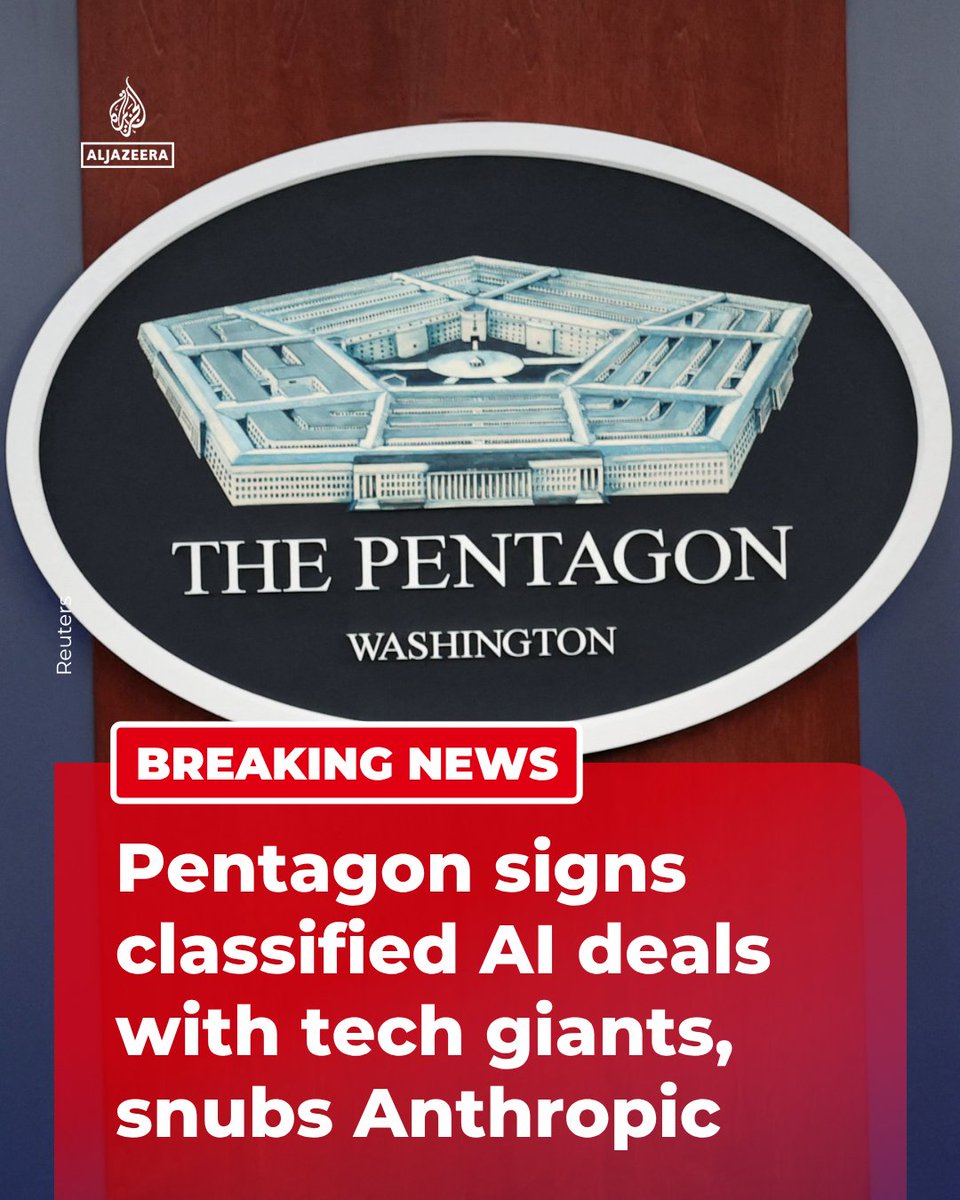
The Pentagon is moving faster on secure AI deployment, and that matters if you track defense tech, cloud infrastructure, or the business of artificial intelligence. The new push around Pentagon AI on classified networks is not a flashy demo story. It is about getting AI tools into sensitive environments where data cannot leave, oversight is tighter, and failure carries real cost. That changes the stakes for vendors and for government buyers. It also tells you where enterprise AI may head next. Look at who made the cut. Nvidia, Microsoft, and AWS. That lineup says the Department of Defense wants mature infrastructure, proven security muscle, and enough compute to run serious models inside restricted systems.
What stands out
- The Pentagon is backing major vendors with deep cloud and AI infrastructure experience.
- Pentagon AI on classified networks points to secure, operational use cases, not public pilot projects.
- Microsoft and AWS bring cleared cloud environments, while Nvidia supplies the compute backbone.
- The move could pressure rivals like Google, Oracle, Palantir, and specialized defense startups to sharpen their federal strategy.
Why the Pentagon AI on classified networks push matters
Classified networks are a different beast. You are not plugging a chatbot into a generic office workflow. You are dealing with isolated systems, strict access controls, data labeling rules, audit trails, and mission data that can affect intelligence analysis or battlefield planning.
That is why this story matters beyond one contract cycle. If AI can work inside classified environments, it becomes much harder to argue that the technology is only useful for low-risk admin tasks. The Pentagon is signaling the opposite. It sees AI as something that belongs closer to core operations.
The real story is not that the Defense Department wants AI. Everyone knew that. The real story is that it wants AI where the data is most sensitive and the margin for error is thin.
Why Nvidia, Microsoft, and AWS won these deals
Nvidia brings the chips and the software stack
Nvidia is the obvious name on the compute side. Its GPUs already sit under a huge share of modern AI training and inference systems. But chips alone do not explain the Pentagon interest. Nvidia also offers software layers, model deployment tooling, and partnerships that make its hardware easier to run in locked-down environments.
Think of Nvidia as the heavy engine in a military cargo plane. Without it, nothing large gets off the ground.
Microsoft has a long federal and classified cloud footprint
Microsoft has spent years building its government and defense position. Azure already supports sensitive workloads across public sector accounts, and the company has made security and compliance central to its pitch. That gives it credibility when agencies want AI systems inside high-assurance environments.
And yes, reputation matters here. A lot.
AWS remains a cloud heavyweight in government
AWS has deep roots in public sector cloud work, including intelligence community ties that go back years. It knows how to sell secure infrastructure to federal buyers, and it has the scale to handle AI workloads that are expensive, bursty, and hard to manage. Those are exactly the kinds of workloads defense organizations are now testing.
What the Pentagon is likely trying to do
The source report focuses on deploying AI on classified networks, but the likely use cases are not hard to sketch out. Defense agencies want systems that can process huge volumes of text, images, video, and sensor data faster than human teams can. They also want support tools for planning, logistics, cybersecurity, and intelligence workflows.
Honestly, this is where the hype starts to fall away. In secure government settings, nobody cares whether an AI model sounds charming. They care whether it saves analyst time, flags anomalies, summarizes documents accurately, or speeds a mission decision without creating a legal mess.
- Automated analysis of intelligence and surveillance data
- Natural language search across classified document repositories
- Cyber defense support for threat detection and triage
- Mission planning and logistics optimization
- Translation, transcription, and summarization for sensitive workflows
The hard part of Pentagon AI on classified networks
Running AI on secret or top-secret systems is far harder than running it in a commercial cloud account. The technical challenge is obvious. Models need compute, storage, access to data, and careful tuning. But the policy challenge may be even tougher.
Questions pile up fast. Who can query the model. What data can it ingest. How do you stop hallucinated output from slipping into analyst work. How do you log usage. How do you update a model in an air-gapped or tightly segmented environment?
That last point matters more than many AI boosters admit. A model is not a static tool. It is closer to a kitchen that needs constant stocking, cleaning, and inspection, especially when the ingredients are classified.
What this means for the AI market
This deal cluster strengthens the incumbents. Big cloud and compute firms already had an edge in capital, infrastructure, and compliance. Now they have another proof point that top-tier government buyers trust them with sensitive AI rollouts.
But smaller vendors are not out of the race. They may still win on specialized models, secure data pipelines, red-team testing, orchestration, or mission-specific apps. The likely market shape is layered. Giants provide the base platform. Specialists build on top.
That should sound familiar if you have watched enterprise software for years. The platform vendors pour the concrete. The niche players build the rooms people actually work in.
Risks that should not be brushed aside
There is an urge in defense tech coverage to treat every AI deployment as inevitable progress. I would push back on that. Classified AI raises plain, serious risks.
- Model errors could distort intelligence or operational planning.
- Data exposure risks grow as more systems connect to sensitive repositories.
- Vendor dependence could deepen if agencies build around proprietary stacks.
- Oversight may lag behind actual deployment speed.
- Human operators may overtrust model output, especially under time pressure.
So the right question is not whether the Pentagon should use AI. That ship sailed a while ago. The better question is whether it can build governance and testing that match the speed of procurement.
How to read this if you work in AI, cloud, or defense
If you sell into government, pay attention to the pattern here. The buyers are favoring vendors that can show three things at once: secure infrastructure, scalable AI performance, and procurement maturity. Fancy demos are not enough.
If you build AI products, this is the lesson. Compliance and deployment architecture are becoming product features, not back-office chores. And if you are an investor, ask a blunt question: can this company operate in high-trust environments, or is it still living off slide decks and benchmark charts?
What comes next
The next phase will be less about announcements and more about execution. Agencies will need to prove that Pentagon AI on classified networks can move from contract language to daily use without blowing up security, reliability, or accountability. That will take time, and it will expose which vendors can actually deliver under pressure.
What should you watch now? Look for follow-on signals around model hosting choices, secure data access, human review requirements, and whether defense users adopt these tools at scale or quietly push them aside. The contract headlines are the easy part. The hard test starts after the paperwork is signed.