Philadelphia Airport Measles Exposure: What Travelers Should Do
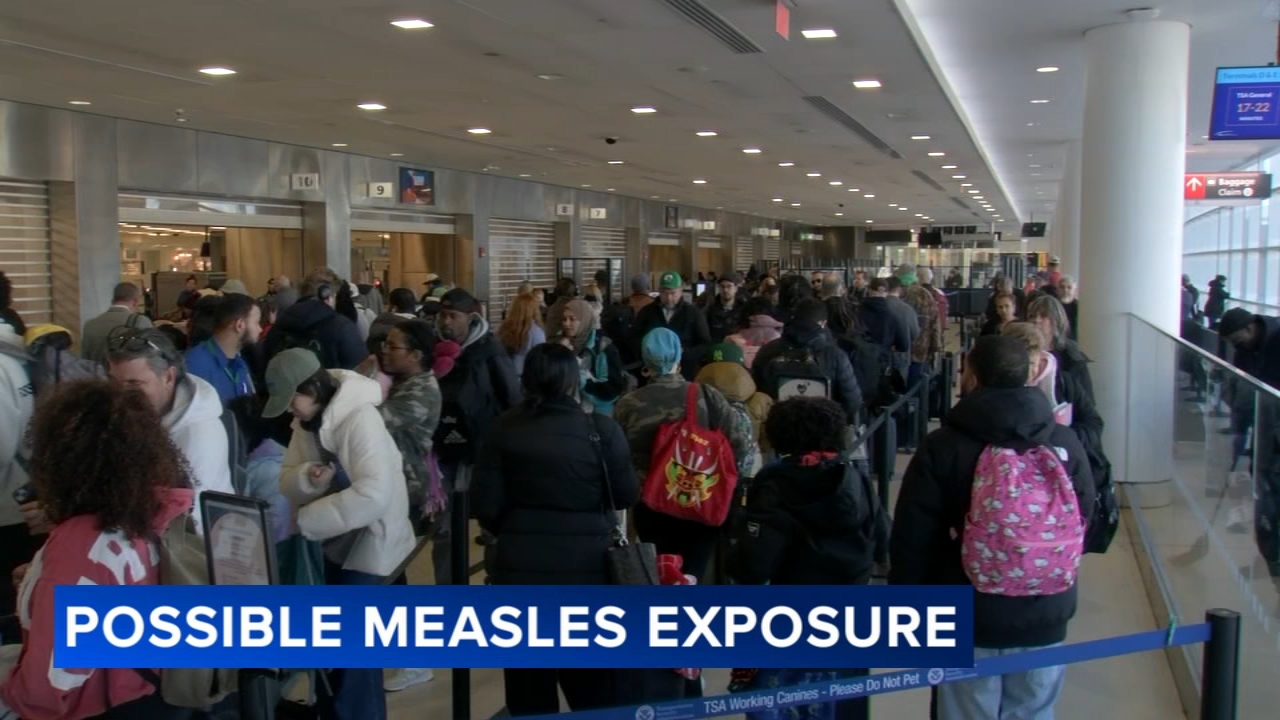
If you passed through Philadelphia International Airport recently, the latest Philadelphia airport measles exposure report deserves your attention. 6abc reported a second possible measles exposure at PHL, raising a familiar but serious travel question: what should you do if you may have been nearby? Measles is not a mild airport nuisance. It spreads through the air and can linger after an infected person leaves a room, which makes busy terminals, gates, and baggage areas a tough setting for contact tracing. The good news is practical. Your risk depends heavily on your vaccination status, your immune health, and the timing of any possible contact. You do not need to panic, but you do need to check dates, watch for symptoms, and act quickly if you are unvaccinated or unsure.
What Matters Right Now
- Measles spreads through airborne particles, not just direct contact.
- Vaccination status is the main risk divider. Two MMR doses give strong protection for most people.
- Symptoms can appear 7 to 21 days after exposure, so a quiet first week does not clear you.
- Call before visiting a clinic if you have symptoms. That helps protect other patients.
- Travelers should verify official exposure windows through local health alerts and the 6abc report.
Why the Philadelphia Airport Measles Exposure Matters
Airports are built for movement, not containment. A traveler can pass through check-in, security, a gate area, restrooms, shops, and a jet bridge in a short stretch of time. That creates a contact-tracing puzzle that looks less like a neat spreadsheet and more like a crowded train platform after a playoff game.
Measles is one of the most contagious human viruses. The CDC says up to 9 out of 10 susceptible people close to an infected person can become infected. That is why a possible exposure at a major airport gets public attention even before a large case count appears.
Measles moves faster than airport rumors.
My take after years covering public health alerts: the risk is not equal for everyone, but the response has to be fast because measles punishes delays.
What to Do After a Philadelphia Airport Measles Exposure
Start with the basics. Match your travel records against the reported exposure location and time window from the health department or the 6abc source report. Look at boarding passes, rideshare receipts, parking records, and photos if your memory is fuzzy.
- Check your MMR vaccine record. Look for one or two documented doses of the measles, mumps, and rubella vaccine.
- Call your doctor if you are unvaccinated, pregnant, immunocompromised, or caring for an infant. Timing matters for post-exposure options.
- Monitor for fever, cough, runny nose, red eyes, and rash. The rash often starts on the face and spreads downward.
- Avoid showing up unannounced at a medical office if symptoms appear. Call first so staff can separate you from others.
- Limit contact with high-risk people if you may have been exposed. That includes babies, pregnant people without immunity, and people with weakened immune systems.
What if you had two MMR shots years ago? For most adults, that is reassuring. The CDC considers two doses about 97% effective against measles, while one dose is about 93% effective.
Philadelphia Airport Measles Exposure Symptoms to Watch
Measles does not usually announce itself with a rash on day one. Early symptoms often look like a routine respiratory infection, which is exactly why it can spread before people realize what they have. Fever is common, and it can climb high.
The typical symptom pattern includes:
- Fever
- Cough
- Runny nose
- Red or watery eyes
- Tiny white spots inside the mouth, known as Koplik spots
- A red rash that usually starts near the hairline or face
Here is the tricky part: symptoms usually begin 7 to 14 days after infection, but they can take up to 21 days. So ask yourself a simple question. Are you still inside that window?
Who Faces the Highest Risk?
Most vaccinated travelers should not treat this like a personal emergency. But some people need to move quickly. Infants too young for routine MMR vaccination, unvaccinated travelers, pregnant people without measles immunity, and immunocompromised people face higher stakes.
Post-exposure care can be time-sensitive. Public health agencies may recommend MMR vaccine within 72 hours of exposure for some unvaccinated people, or immune globulin within six days for certain high-risk patients. Your clinician or local health department should guide that decision (especially if your situation is medically complicated).
How to Check Your Vaccine Status Without Guessing
Do not rely on family lore if you can avoid it. Many adults think they were vaccinated but cannot prove it, and some records are scattered across pediatric offices, schools, employers, and state registries. Look for written documentation first.
Try these places:
- Your primary care office or pediatric records
- State immunization registry
- College or military health records
- Employee health files, especially for health care workers
- Travel clinic records
If records are missing, a clinician may recommend vaccination or a blood test for measles immunity. Getting an extra MMR dose is generally safe for many people, but live vaccines are not right for everyone. That is why pregnant people and immunocompromised patients should speak with a clinician before any shot.
What PHL Travelers Should Avoid
The worst move is walking into an urgent care waiting room with fever and rash without calling first. That can turn one possible exposure into a wider problem. Measles prevention is like good kitchen hygiene: one careless step can contaminate far more than the original surface.
Avoid these common mistakes:
- Assuming no rash means no concern
- Ignoring mild symptoms during the 21-day monitoring period
- Posting vague exposure claims without checking official sources
- Delaying a call to your doctor if you are high risk
- Sending a symptomatic child to school or daycare
Where This Report Fits in the Bigger Measles Picture
Measles cases have risen in several parts of the United States in recent years as vaccination gaps have widened. The CDC has repeatedly pointed to unvaccinated or under-vaccinated groups as a major driver of outbreaks. International travel also keeps measles on the radar because the virus still circulates in many countries.
That context matters for Philadelphia. PHL is a major domestic and international hub, so even a single infectious traveler can trigger alerts across counties and states. Public health teams are not being dramatic here. They are trying to beat the clock.
The Smart Next Step
If you were at Philadelphia International Airport during the reported exposure period, check the official timing, confirm your MMR status, and monitor symptoms for 21 days. If you are unvaccinated or high risk, do not wait for symptoms before calling a clinician or your local health department.
Honestly, this is where public health gets practical: one phone call, one vaccine record, and one careful decision can stop a small airport alert from becoming a larger outbreak.