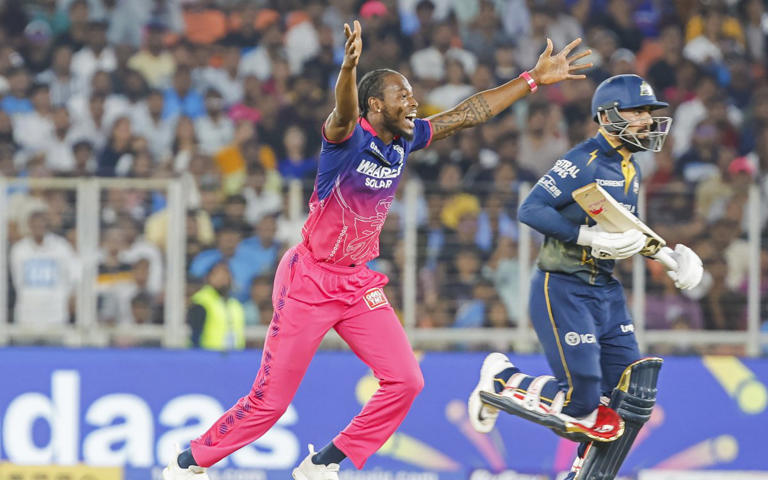
How a Rajasthan Royals tactical call flipped the IPL 2026 clash with Gujarat Titans
Gujarat Titans looked set to choke another chase until Riyan Parag and Dhruv Jurel spotted a pattern and made a Rajasthan Royals tactical call that changed the night. You care because smart, on-field choices often decide tight IPL games more than raw power hitting, and this was a live case study in reading the game. The duo recognized a predictable slower-ball length from Mohit Sharma, flipped the strike map, and kept the chase within reach instead of letting it spiral. That single move shows you how situational awareness can be the difference between two points and a long walk back. Why ignore a playbook that just delivered in front of a packed stadium?
Why this moment mattered
- Field was set for the yorker, but the Royals waited on the slower ball.
- Parag credited Jurel for spotting the change and insisting on it.
- Strike rotation under pressure kept the rate from spiking.
- Gujarat lost their grip after a tidy 16th over swung momentum.
One decision, one over, and the chase steadied.
Breakdown of the Rajasthan Royals tactical call
Look at the sequence: Mohit had mixed lengths, yet his slower ball kept landing in the slot. Jurel (who was gloveless at the non-striker’s end) urged Parag to wait deep in the crease and drag toward midwicket, exploiting the gap left by a wide third man. That minor tweak forced the bowler to adjust, and once the line drifted, Parag freed his arms. The analogy is pure baseball: a hitter sitting on a predictable changeup turns the at-bat around.
“Jurel told me to sit back for the slower one. That changed everything,” Parag said after the match.
How you can spot similar openings
- Track bowlers’ slower-ball patterns; if two arrive in an over, expect a third.
- Check field clues. A deep third and square leg up often signal cutters.
- Practice staying low and late, so you can drag rather than loft under lights.
- Keep strike moving even after a boundary to deny the bowler rhythm.
But are you watching the field as much as the scoreboard?
Adjustments Gujarat Titans failed to make
Hardik’s side hesitated to bring fine leg back or push midwicket deeper, and that hesitation turned into free runs. A tighter line into the hip would have forced Parag across the crease, yet the bowler stuck with the off-stump cutter. In cricket terms, it was like leaving the near post open in football and hoping the striker missed. Hope is not a plan.
Lessons for late-overs batting
Stay patient when the ball sticks in the pitch; power swings at knee height invite top edges. Rotate after every boundary to keep the bowler guessing. And if a teammate calls out a pattern mid-over, trust that read. This was no fluke—it was preparation meeting nerve.
Rajasthan Royals tactical call and future games
The Royals have banked a template for slow decks: wait deep, drag square, and keep the mid-overs ticking. Opponents will adjust, but now they must pick their poison. Will they risk fuller lengths and invite lofted drives, or crowd the leg side and open cover? Either way, this tactical imprint will echo through the season.
What I want to see next
As a reporter who has watched too many chases fizzle, I want teams to empower the non-striker to call audibles more often (the NBA-style huddle on the boundary feels overdue). Data analysts should clip Mohit’s spell and bake that slower-ball tendency into pre-match briefs. Fans love sixes, sure, but this kind of mid-over chess is what separates contenders from also-rans.
Looking ahead
Next time you watch a tight finish, ask yourself who is reading the bowler first—the striker or the partner. Because the smarter pair usually wins.