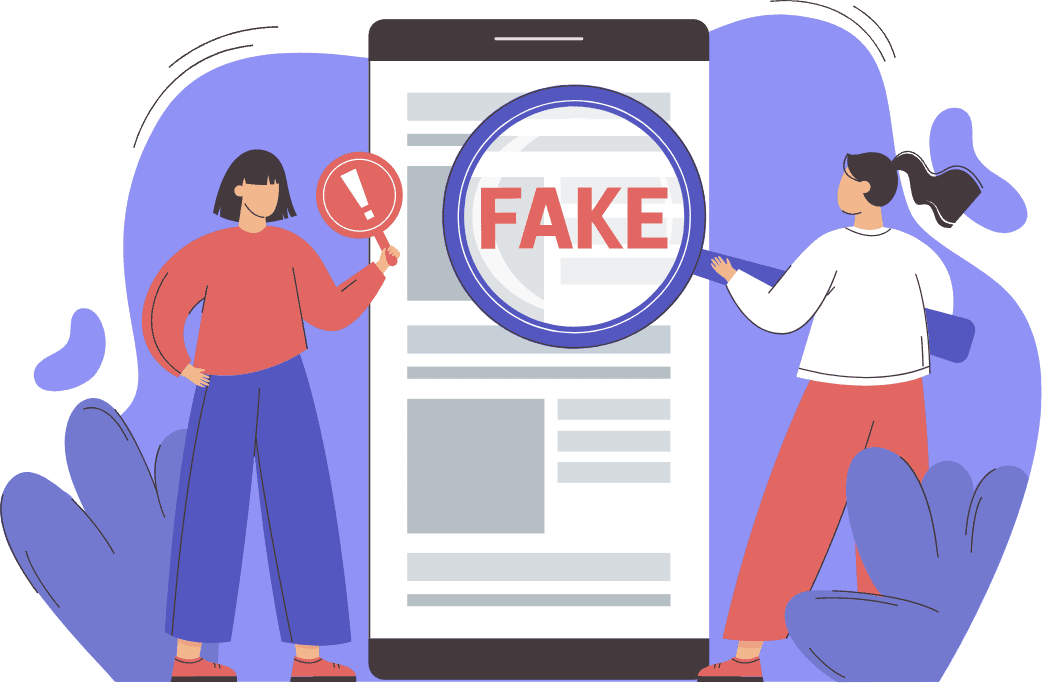
Repairing Your Online Misinformation Radar Before It Numbs Out
The internet made everyone a publisher, but it also eroded your online misinformation instincts. You scroll faster than you verify, and outrage bait slips through because it feels urgent. The stakes are real: false health cures, fake political claims, and AI-fabricated screenshots now bounce through feeds at seismic speed. If you want to keep friends and family from spreading junk, you need a playbook that works in daily life. Here is how a veteran reporter checks sources, spots manipulation, and keeps their own biases from doing the heavy lifting.
Rapid Filters That Keep You Off the Hook
- Pause for 30 seconds before sharing; urgency is a red flag, not a shortcut.
- Check the original URL and domain history; fresh domains often mask grifts.
- Reverse image search suspicious visuals to spot recycled or AI-made assets.
- Compare at least two independent outlets before trusting a claim.
Why Online Misinformation Sticks
Outrage rewards the platforms, so the algorithm feeds you emotional hits. That cycle trains you to skim headlines without context, leaving your online misinformation radar dulled. Cognitive biases do the rest. Think of it like a basketball pump fake: your brain jumps before your eyes confirm the move.
Every viral falsehood survives on speed, novelty, and your willingness to fill gaps with guesses.
Short paragraph.
Online Misinformation Defense Playbook
Interrogate the Source, Not Just the Story
Look, a credible outlet has bylines, editorial standards, and corrections pages. If a post lacks those basics, treat it as unverified. And if the author hides behind a single-name handle, ask why. Would you buy medicine from a street vendor without a label?
Use Tools Without Becoming Paranoid
Run links through archive services to see edits over time. Check fact-checkers like Snopes or PolitiFact, but do not outsource your judgment. AI text detectors remain shaky, so rely on provenance, not vibes.
Watch for Manipulated Media
Reverse image searches and video keyframes reveal stock assets repackaged as breaking news. Audio deserves the same scrutiny; listen for repetition or odd breaths that hint at synthetic speech.
Practice Makes Your Online Misinformation Radar Sharper
- Set a personal rule: no sharing without a second source.
- Keep a short list of trusted outlets and update it monthly.
- When a claim hits close to your beliefs, double-check it twice. Bias loves shortcuts.
- Share corrections loudly to reset the feed. Silence lets the falsehood linger.
Honestly, this is like cooking with a recipe card: measure twice before you dump ingredients into the pan, or you end up with a mess.
Where Tech Can Help and Hurt
Content moderation, label systems, and authenticity frameworks (think C2PA) help establish provenance. But the tools are imperfect, and bad actors adapt. And if you assume tech will save you, you let your guard down at the worst moment. Do you really want that tradeoff?
Stay Sharp, Stay Skeptical
Rebuilding your online misinformation defenses is a daily habit, not a one-time fix. Keep testing your own impulses, coach friends to slow their shares, and reward credible reporting with your clicks. The next wave of fakes will arrive; will your radar be ready?