Robotics ChatGPT Moment: What This Startup Is Betting On
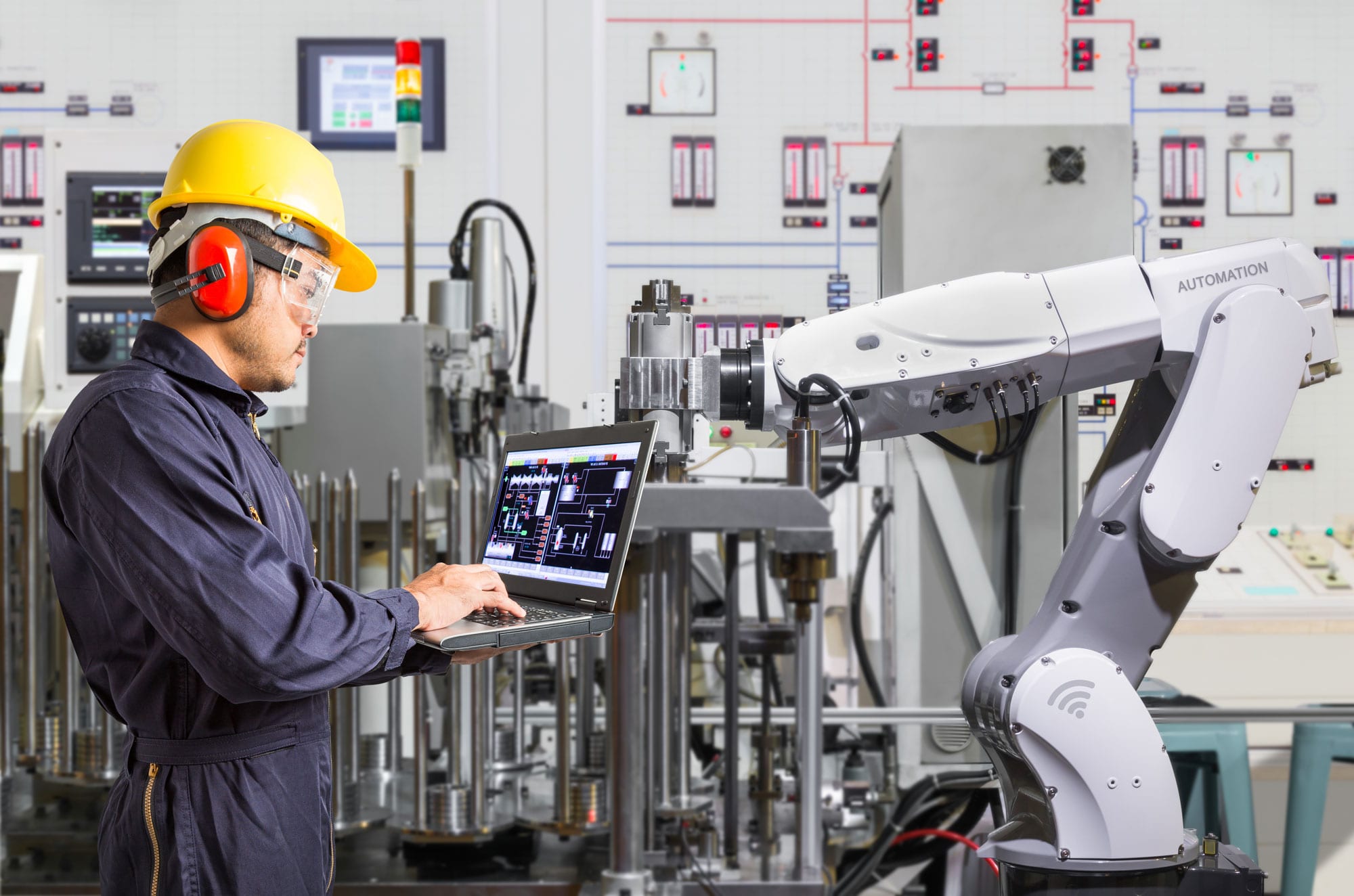
Robotics has spent years trapped between demos and deployment. The videos look slick. The factory floor tells a harsher story. That is why this startup’s claim about a robotics ChatGPT moment matters now. If machine learning made chatbots useful overnight, could the same kind of jump finally push robots into real work at scale?
That question is bigger than one company’s pitch deck. It touches cost, reliability, training data, and how much a robot can generalize from one task to the next. The old model was brittle and expensive. A robot had to be hand-tuned for narrow jobs, then babysat forever. The new promise is different. Build a system that can learn from many environments, adapt faster, and stop acting like a museum piece on wheels. Sounds bold. But bold is cheap in robotics. Execution is what counts.
And the timing is not random. Hardware is better. Compute is cheaper. Model training is more practical. What used to take a lab full of specialists can now be packaged, sold, and pushed into the field. That changes the market in a serious way.
What to know about the robotics ChatGPT moment
- The core bet: robots can move from narrow scripts to more general behavior.
- The real bottleneck: data from the physical world is still messy, slow, and expensive.
- The business angle: buyers want lower setup time and faster return on investment.
- The risk: flashy demos can hide weak performance in edge cases.
- The payoff: if the model works, robotics could spread far beyond elite labs and pilot programs.
Why the robotics ChatGPT moment idea has traction
ChatGPT did not win because it was perfect. It won because it was useful enough, fast enough, and easy enough to try. Robotics needs a similar shift. Not perfection. Practical usefulness. Can a machine pick, place, sort, inspect, or assist without days of calibration for every site?
That is the line investors keep chasing. They want systems that can learn from demonstrations, adapt to variation, and reduce the need for custom integration. Think of it like moving from a made-to-order kitchen to a standard appliance. You still need the appliance to work in real homes, with real mess, not just on a showroom stage.
The pitch is simple. If foundation models helped software understand language, maybe similar models can help robots understand the physical world.
Where the robotics ChatGPT moment hits friction
Physical systems do not forgive mistakes the way software does. A bad answer in chat is annoying. A bad move from a robot can break equipment, waste materials, or injure someone. That changes the tolerance for error in a very concrete way.
There is also the data problem. Language models can train on huge public text corpora. Robots need interaction data from messy spaces, and that data is costly to gather. A warehouse is not a text file. A factory line is not a prompt.
The main technical hurdles
- Generalization: a robot that works in one setting often fails in another.
- Latency: decisions must happen fast enough for motion and safety.
- Safety controls: models need guardrails that are strict, not decorative.
- Integration: the software has to fit real hardware, sensors, and workflows.
That list is why so many robotics companies look stronger in a demo than in deployment. The demo is a polished short game. The field rollout is the full season. Different pressure. Different rules.
What investors and buyers should watch
Look past the robot arm and ask about the operating details. How much human oversight is still required? How long does setup take? How often does the system fail on new objects, new lighting, or new floor layouts? Those questions matter more than a glossy video.
Buyers should also watch the unit economics. If a robot saves labor but needs constant intervention, the math falls apart. If it can run reliably with minimal tuning, the case gets much stronger. That is the hinge.
- Deployment time: days or weeks, not months?
- Fallback behavior: what happens when the model is uncertain?
- Maintenance load: who updates it and how often?
- Task scope: can it do one job well, then expand?
Honestly, that is where the market will separate signal from noise. The companies that win will not be the ones with the flashiest autonomy claims. They will be the ones that make robots boring in the best way. Predictable. Cheap to run. Easy to trust.
Robotics ChatGPT moment: hype or real shift?
So, is this the robotics ChatGPT moment? Maybe. But only if the industry accepts a harder standard than software startups usually face. A chatbot can be wrong and still feel helpful. A robot has to earn trust every hour it is on the job.
That is the real test. Not whether the model sounds impressive in a launch video. Whether it can survive the ugly middle of real operations. If this startup is right, the next wave of robotics will look less like a science fair and more like infrastructure. And that raises the next obvious question. Which company is actually building for the floor, and which one is still building for the stage?